Aluminium Soda Cans Global Sourcing Tips and Trends?

Time:2026-06-16 Author:Aria
0%

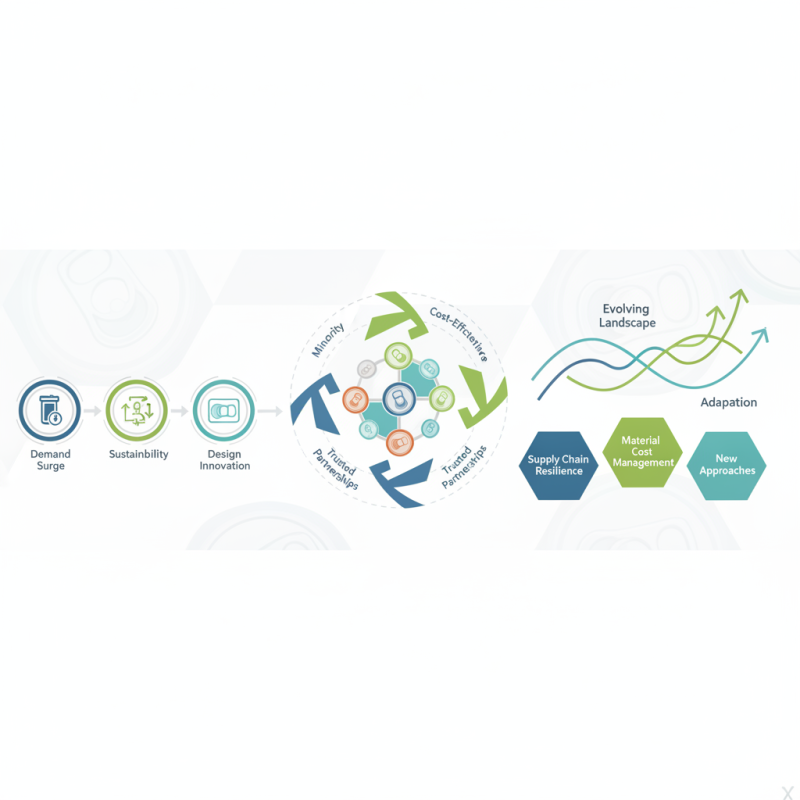
In recent years, the demand for Aluminium Soda Cans has surged globally. This shift is driven by changing consumer preferences and increasing environmental awareness. The production and sourcing of these cans is crucial for beverage companies. Navigating the market can be challenging yet rewarding.

Understanding the trends in Aluminium Soda Can sourcing is essential. Key factors include sustainability, design innovation, and cost-effectiveness. Minority suppliers are gaining ground, providing unique advantages. However, challenges arise, such as supply chain disruptions and fluctuating material costs. Companies must adapt to stay competitive.

The landscape for Aluminium Soda Cans is evolving. A careful analysis of sourcing strategies is vital for long-term success. Engaging with trusted suppliers and staying informed on industry trends can lead to better decisions. Embracing new approaches and reflecting on current practices will shape the future of this market.
Aluminium Soda Cans Global Sourcing Tips and Trends?

Global Overview of Aluminium Soda Can Market Dynamics

The global aluminium soda can market is poised for significant growth in the coming years. According to industry reports, the demand for aluminium cans is projected to rise at a CAGR of 4.5% until 2025. This uptick can largely be attributed to the increased consumer preference for lightweight packaging and sustainable materials. Furthermore, aluminium cans boast a high recycling rate, making them an eco-friendly choice for manufacturers.

When sourcing aluminium cans globally, it’s crucial to stay informed about market trends. Look for suppliers who prioritize sustainability in their production processes. Establishing solid relationships with local suppliers can provide logistical advantages. Many producers are adopting advanced technologies to enhance efficiency and reduce waste. Keeping an eye on these innovations can help businesses make informed sourcing decisions.

Consider these tips: first, conduct thorough market research. Understand regional demands and gaps. Secondly, evaluate your suppliers' certifications. Ensure they meet global standards for quality and sustainability. Lastly, don’t overlook the importance of flexibility in contracts. The market is evolving, and being adaptable is vital for long-term success.

Key Factors Influencing Global Sourcing Strategies

In the aluminium soda can industry, sourcing strategies are shaped by various key factors. One significant element is cost optimization. Companies aim to reduce production costs while maintaining quality. This often involves sourcing raw materials from different regions. Sourcing materials from countries with lower labor costs can lead to savings. However, this strategy may compromise sustainability, raising concerns about ethical practices.

Quality control is another crucial aspect. Suppliers should meet specific standards to ensure product safety and durability. Regular audits are necessary to verify compliance. Innovation in recycling processes is transforming sourcing strategies. Companies are increasingly looking for suppliers who prioritize sustainable practices. This shift reflects growing consumer demand for environmentally friendly products. Yet, relying on recycled materials can pose challenges in consistency.

Market trends play a vital role as well. Consumer preferences are evolving rapidly. Brands must adapt their sourcing decisions to align with these changes. Understanding regional market dynamics is essential. Different markets have unique demands. Adapting sourcing strategies to cater to local preferences can be complicated. It requires ongoing research and flexibility in operations.

Emerging Trends in Aluminium Soda Can Production and Design

Aluminium soda cans are evolving rapidly in production and design. According to the International Aluminium Institute, global demand for aluminium cans is projected to grow by 4% annually. This trend is driven by sustainability and aesthetic appeal. Brands are now prioritizing lightweight, recyclable materials. Consumers are increasingly attracted to innovative designs that enhance user experience.

One emerging trend is the use of decoration technologies. Digital printing is gaining traction, allowing brands to create unique designs. In fact, a report by Smithers Pira states that up to 30% of all cans will use digital techniques by 2025. This shift makes it essential for sourcing teams to stay updated.

**Tip:** Prioritize suppliers who adopt eco-friendly practices and innovations. It’s critical to assess their production methods and material sourcing. **Tip:** Look for suppliers who offer flexibility in design changes. This can lead to more efficient production cycles. Engaging with these suppliers fosters a collaborative approach to design.

Yet, challenges remain. Not all manufacturers can keep up with these technological advancements. Quality assurance is often overlooked. As brands push for faster turnaround times, maintaining consistent quality can be a concern. Balancing speed and quality requires strategic planning in sourcing processes.

Aluminium Soda Cans Global Sourcing Tips and Trends

Dimension Trend/Tip Description
Sustainability Recyclability Increasing demand for recyclable materials in packaging to reduce environmental impact.
Design Innovation Customized Shapes Brands are exploring unique can shapes to enhance shelf appeal and identity.
Cost Efficiency Bulk Purchasing Sourcing materials in bulk to reduce costs and ensure long-term supply stability.
Technological Advancements Smart Packaging Integration of smart technologies for consumer engagement and tracking.
Market Trends Health Consciousness Rise in demand for low-calorie and functional beverages influencing can production.

Sustainability Practices in Aluminium Can Sourcing and Recycling

Sustainability practices in aluminium can sourcing and recycling are becoming increasingly important. The global aluminium can recycling rate stands at around 69%, according to the Aluminium Association's 2022 report. This figure highlights the industry's commitment to sustainability. However, challenges remain in achieving higher recycling rates, especially in regions where collection systems are underdeveloped.

The aluminium beverage can has a life cycle that merits attention. Each can can be recycled indefinitely without losing quality. Yet, in some areas, consumer education on recycling practices is lacking. A survey by the International Aluminium Institute showed that only 45% of consumers understand how to properly recycle aluminium products. This disconnect leads to wasted resources and underutilized recycling potential.

Emerging technologies aim to enhance recycling efficiency. Innovations such as improved sorting systems can increase the quality of recycled aluminium. Despite these advancements, the industry must continuously reflect on its progress. Collaboration among stakeholders is crucial. The aim should not only be to improve recycling rates but to boost awareness and consumer participation. Engaging communities can lead to more sustainable practices and a circular economy in aluminium can production.

Strategies for Efficient Supplier Selection and Partnership Development

Navigating the landscape of aluminium soda can sourcing requires strategic supplier selection. Industry reports indicate that over 90% of beverage companies report challenges in aligning with reliable suppliers. A deep understanding of potential partners is crucial. Assessing their manufacturing capabilities, sustainability practices, and compliance with industry standards helps establish a strong foundation for collaboration.

Partnership development goes beyond price negotiation. It involves creating long-term relationships that foster innovation. According to recent studies, companies that prioritize engagement with suppliers see a 20% increase in operational efficiency. Investing in technology can enhance communication lines. Tools that provide real-time data sharing often streamline operations.

However, challenges remain. Not all suppliers prioritize sustainability, posing risks to your brand image. Regular audits and performance evaluations can mitigate these risks. Engaging in open dialogues about expectations often reveals underlying issues worth addressing. A commitment to transparency is vital for fostering trust and improving outcomes. These steps create a more resilient supply chain.

FAQS

: What factors influence sourcing strategies in the aluminium soda can industry?

: Cost optimization, quality control, and market trends significantly shape sourcing strategies.

Why is cost optimization important for companies?

Reducing production costs while maintaining quality helps companies save money. However, it may raise sustainability concerns.

How does quality control impact suppliers?

Suppliers must meet specific standards. Regular audits ensure product safety and durability, which cannot be overlooked.

What trend is driving changes in can design?

The use of digital printing technology allows brands to create unique and attractive designs for consumers.

Why is sustainability crucial in aluminium can sourcing?

Sustainable practices reflect consumer preferences. The industry aims for higher recycling rates to promote environmental responsibility.

How can consumer education affect recycling rates?

Many consumers lack knowledge about recycling aluminium. This gap leads to wasted resources and underutilized potential.

What challenges do brands face in quality assurance?

The push for faster production can compromise consistent quality. Balancing speed with quality requires strategic planning.

Why is collaboration among stakeholders important?

Working together can improve recycling rates and consumer participation, fostering a more sustainable aluminium can economy.

What should companies consider when choosing suppliers?

Look for suppliers who prioritize eco-friendly practices and can be flexible with design changes.

How can innovations in recycling enhance efficiency?

Improved sorting systems increase the quality of recycled aluminium, but the industry needs continuous reflection on progress.

Conclusion

The article "Aluminium Soda Cans Global Sourcing Tips and Trends" provides a comprehensive overview of the evolving landscape of the aluminium soda can market. It highlights key dynamics influencing global sourcing strategies, including economic factors, technological advancements, and consumer preferences. The discussion extends to emerging trends in production and design, emphasizing innovation that enhances both functionality and aesthetic appeal of aluminium cans.

Furthermore, the article underscores the importance of sustainability in sourcing and recycling practices, stressing how environmentally responsible methods are becoming integral to supplier selection and partnership development. As businesses adapt to a more eco-conscious landscape, strategies for cultivating efficient supplier relationships are essential for navigating the complexities of the aluminium soda can market while maintaining a commitment to sustainability.


Aria

Aria

Aria is a dedicated marketing professional with a deep passion for innovative strategies and a keen understanding of our company's product offerings. With a wealth of experience in the industry, Aria excels at crafting engaging content that highlights the unique features and benefits of our......