Beverage cans are a crucial packaging solution for numerous drinks. Their design caters to both convenience and preservation. This makes them essential for buyers in today’s market. The popularity of beverage cans stems from their lightweight nature and durability. They provide easy handling while keeping beverages fresh.
Hitting store shelves, these cans come in various sizes and styles. Consumers appreciate the sleek appearance and effective sealing of beverage cans. This packaging method helps maintain taste and quality. Additionally, they are infinitely recyclable, appealing to eco-conscious buyers.
Despite their advantages, there are concerns regarding the environmental impact of production. Buyers may reflect on the sustainability of beverage cans. As purchasing decisions evolve, many seek reliable information on packaging choices. Understanding the significance of beverage cans is therefore imperative for informed consumerism.
Definition and Types of Beverage Cans in the Market
Beverage cans come in various types. Understanding these types can help buyers make informed choices. Common types include aluminum and steel cans. Aluminum cans are lightweight and recyclable, making them popular for soft drinks. Steel cans, on the other hand, are often used for beverages requiring sturdier packaging, like certain juices or energy drinks.
Tips for choosing beverage cans include considering the material's insulation properties. For example, aluminum retains cold temperatures better. This means your drink stays cooler for longer. However, some may prefer steel for its durability. Always check the can's design too. Many modern cans feature easy-open tops, enhancing consumer convenience.
Buyers should also reflect on the environmental impact of their choices. While both types of cans are recyclable, not all regions have the same recycling options. Choosing the right can involves balancing convenience, cost, and sustainability. Understanding these factors will empower consumers to make better decisions that align with their values.
The Role of Beverage Cans in the Global Beverage Industry
Beverage cans play a pivotal role in the global beverage industry. They are not just containers; they represent convenience and sustainability. With over 350 billion cans produced annually, these products ensure that beverages stay fresh and safe. They are lightweight, durable, and recyclable, making them a preferred choice for consumers and manufacturers alike.
The impact of beverage cans extends beyond the pack itself. They support efficient distribution and help reduce transportation costs. In many regions, cans are favored for their space-saving qualities. This aspect is crucial in a world where storage and shelf space is limited. However, the production process can contribute to environmental concerns, as energy consumption varies among manufacturers.
Cans also influence consumer choices. Many people appreciate the crisp sound of opening a can. But are we considering their environmental footprint? While recycling rates are high, the need for continuous improvement exists. Advancing technology can lead to lighter cans, reducing the resources needed for production. This challenge remains relevant for the industry's future, calling for innovative solutions and responsible practices.
Environmental Impact and Recycling Rates of Beverage Cans
Beverage cans play a crucial role in modern consumption. They not only keep drinks fresh but also influence environmental sustainability. The recycling rates for beverage cans are notably high. In many regions, they exceed 70%. This means that most cans are diverted from landfills, reducing waste.
Despite these positives, there are challenges. Not all areas have the same recycling facilities. Some cans end up in the wrong bins. This hinders proper recycling efforts. Education on sorting and recycling can improve these rates. Although cans are recyclable, not everyone follows best practices. Awareness is key to increasing participation.
The environmental impact of beverage cans extends beyond recycling. The production process itself uses significant resources. However, when a can is recycled, it requires less energy than creating new ones. It is essential to recognize that even small changes in our recycling habits can lead to significant improvements. Encouraging responsible use and recycling can help minimize negative impacts on the environment.
Recycling Rates of Beverage Cans by Year
This chart illustrates the recycling rates of beverage cans over a span of five years, highlighting the importance of recycling in reducing environmental impact.
Consumer Preferences: Why Buyers Favor Canned Beverages
Canned beverages have gained immense popularity among consumers. Many people prefer them for several reasons. One of the essential factors is convenience. Cans are lightweight and easy to carry. This makes them ideal for events like picnics or sporting events. Additionally, they chill quickly, providing a refreshing experience on hot days.
Another reason for this preference is taste preservation. Cans protect beverages from light and air, ensuring that flavors remain intact. This is especially crucial for carbonated drinks. Many consumers appreciate that canned beverages retain their freshness longer than bottled ones.
However, there are downsides. Some people miss the experience of pouring a drink into a glass. They argue that it affects tasting nuances. Also, always consider the environmental impact of recycling cans versus bottles. While cans are recyclable, the process can be energy-intensive. Balancing convenience with environmental considerations remains a concern for many buyers.
What is Beverage Cans and Why are They Essential for Buyers?
| Dimension |
Data |
| Percentage of Consumers Who Prefer Canned Beverages |
65% |
| Key Reasons for Preference (Convenience) |
42% |
| Key Reasons for Preference (Portability) |
30% |
| Key Reasons for Preference (Recyclability) |
20% |
| Average Price of Canned Beverages |
$1.50 |
| Percentage of Cans Recycled |
70% |
| Growth Rate of Canned Beverage Market (2022-2027) |
4.5% |
Market Trends and Future Projections for Beverage Can Usage
The beverage can market is on an upward trajectory. According to a recent report from the Can Manufacturers Institute, the global beverage can market is projected to reach 450 billion units by 2025. This trend indicates the growing preference for convenient and recyclable packaging options among consumers.
One significant shift is in the increase of sustainability-focused production. In 2022, recycled aluminum cans accounted for 75% of the total market share. Consumers are more inclined to choose products that align with their environmental values. As the demand for environmentally friendly packaging rises, manufacturers must adapt to these changing consumer preferences.
However, industry challenges remain. Supply chain disruptions and rising costs of raw materials can hinder growth. Additionally, while aluminum cans are popular, not all consumers may fully understand their recyclability. This gap in knowledge presents an opportunity for further education within the market. Brands must actively promote the benefits of beverage cans to foster greater acceptance and usage among consumers.
Conclusion
Beverage cans are essential containers widely used in the beverage industry, characterized by their various types catering to different drink segments. They play a crucial role in the global market by ensuring product safety and extending shelf life, while also contributing to brand visibility. The environmental impact of beverage cans is significant, as they have high recycling rates compared to other packaging materials, promoting sustainability in the beverage sector.
Consumers increasingly favor canned beverages for their convenience, portability, and the perception of better taste preservation. Market trends indicate a growing preference for environmentally friendly packaging, leading to projections of increased beverage can usage in the future. As the beverage industry evolves, the importance of beverage cans will continue to rise, driven by both consumer demand and environmental considerations.
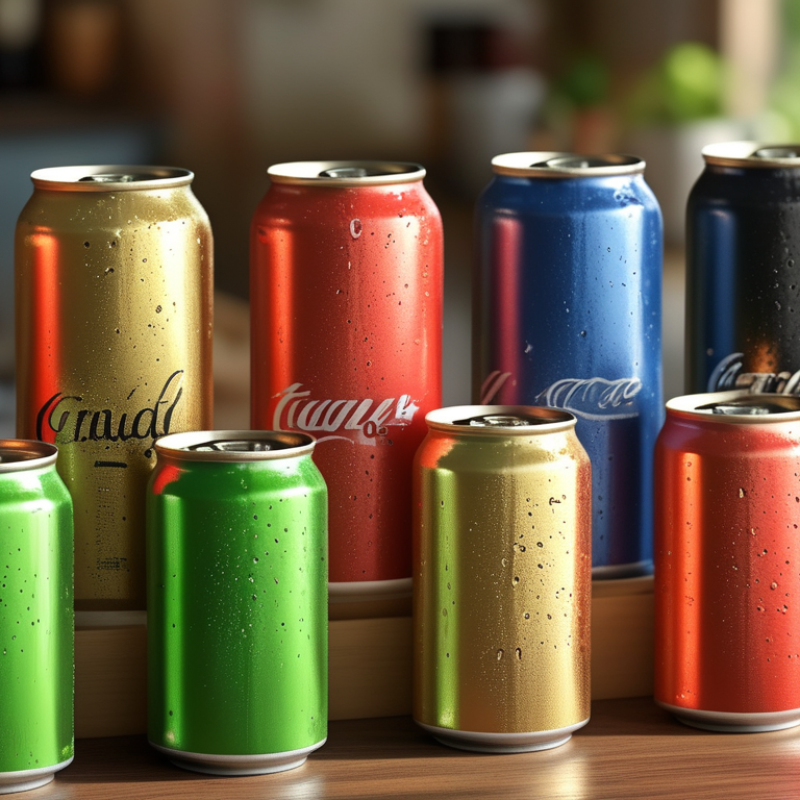

 Sunrise Cans