China is home to manufacturers and suppliers serving a wide range of aluminum packaging needs. An Aluminum Canister may look simple, but its performance depends on details such as alloy choice, wall thickness, seam quality, and closure design. These factors influence durability, handling, and suitability for a product’s storage requirements. Small details matter.
This guide introduces key points for evaluating Chinese suppliers, from production capabilities to communication and quality checks. Buyers can compare canister sizes, surface finishes, printing options, liners, and cap styles against their actual specifications. Ask for drawings, material information, and samples before making a decision. A clear sample can reveal issues that a polished product photo cannot.
Supplier claims should be reviewed carefully. Request relevant inspection records and clarify how dimensions and defects are checked during production. Confirm order quantities, lead times, packaging methods, and what happens if delivered goods differ from approved samples. These steps do not remove every risk, but they make discussions more concrete. Not every supplier will be the right fit.
The most suitable partner is not always the one offering the lowest quote. Consistent workmanship, responsive technical support, and transparent answers can matter just as much. This overview is a starting point, not a substitute for direct verification. Even experienced buyers can overlook a detail, so leave room to ask again.
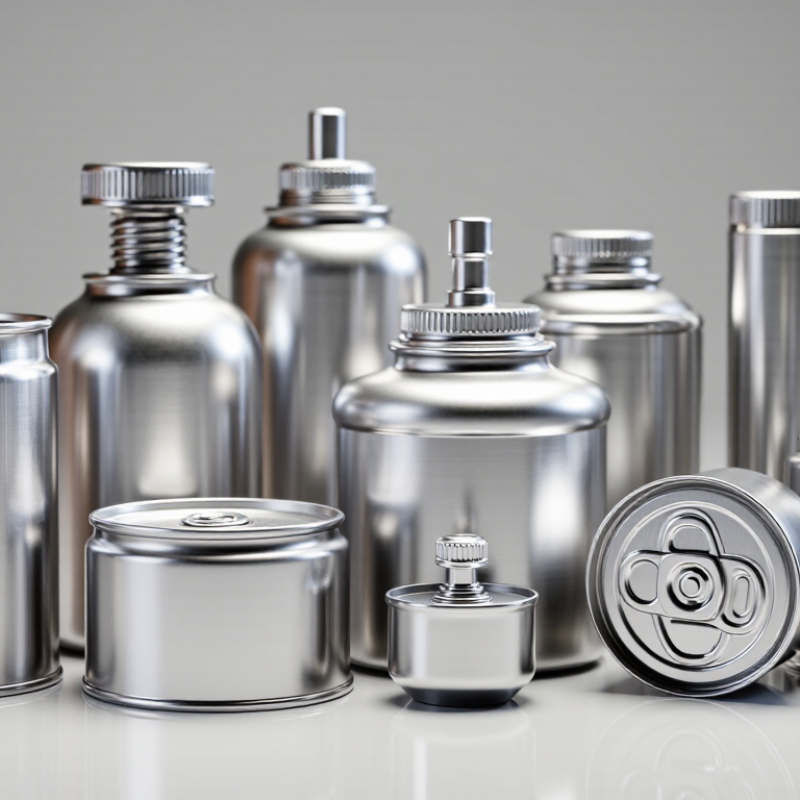
Aluminum canisters are rigid, lightweight containers made from formed or fabricated aluminum. Their walls help protect contents from dust, handling, and everyday impacts. Many designs use screw caps, press-fit lids, or threaded closures, depending on how often users need access. A clean, smooth interior is useful for products that must stay tidy. But aluminum alone does not guarantee compatibility; coatings, seals, and the stored material all matter.
They appear in personal-care packaging, dry goods, small hardware storage, sample kits, and travel accessories. In workshops, a canister can keep screws or fittings together without adding much weight to a tool bag. In retail settings, a printed or labeled exterior can make sizes and contents easier to identify. Some canisters also suit refill systems, though the opening and cleaning routine should be considered before choosing one. Small detail, real impact.
Choosing a canister starts with its intended contents, capacity, and closure. Check whether the lid fits securely and whether the inner surface needs a protective lining. For moisture-sensitive contents, the seal deserves particular attention; a metal body does not automatically make a package airtight. Buyers should also review wall thickness, finish quality, and handling requirements with a qualified supplier. One practical point is easy to overlook: a canister that looks sturdy may still dent if its walls are too thin for repeated transport. A sample test can reveal that mismatch early.
Designing an aluminum canister in China begins with its intended use, dimensions, and closure. Engineers select an alloy and wall thickness based on strength, weight, and forming requirements. A narrow neck, threaded opening, or rounded shoulder can change how the metal flows during production. Small details matter.
Depending on the shape and order volume, factories may use impact extrusion, deep drawing, or other forming methods. The formed body is trimmed, cleaned, and checked for dimensions and surface defects. If the design needs a finish, coating or printing may follow; compatibility with the contents should be confirmed before production. A cap must fit consistently, not just look right on a sample.
Quality checks can include measuring wall thickness, inspecting seams and threads, and testing closure fit. Buyers should provide drawings, tolerances, and sample requirements early. This helps reduce revisions, though it does not remove them entirely. Tooling adjustments sometimes reveal problems only after a trial run. That is frustrating, but useful. Clear records of test results and approved samples make later production easier to verify.
Aluminum’s low density helps make canisters lightweight. The chart compares typical densities of common metals; actual values vary by alloy and grade.
Typical density values in g/cm³. Aluminum: approximately 2.70; carbon steel: approximately 7.85; stainless steel: approximately 8.00; copper: approximately 8.96. Values are representative, not specifications for a particular product.
China Top Aluminum Canister Manufacturers and Suppliers
Criteria for Evaluating Chinese Canister Manufacturers and Suppliers
Choosing a Chinese aluminum canister supplier requires more than comparing unit prices. Ask for documented alloy grades, wall-thickness tolerances, and inspection records for each production lot. Request samples with your intended coating and closure; a lid that fits a showroom sample may behave differently after repeated opening. Check forming and sealing equipment, too. Ask how operators detect pinholes, dents, and uneven rims, and whether rejected units are recorded. Small details matter.
Verify quality systems through current certificates and an independent factory audit, rather than accepting a certificate image alone. Review lead times, minimum order quantities, packaging protection, and procedures for handling defects. The International Aluminium Institute reports that recycling aluminium can save up to 95% of the energy needed to produce primary aluminium. This makes verified recycled-content claims worth checking against supplier records and material documentation. Ask for test methods and traceability, not just a sustainability statement. No audit catches everything.
Compare quotations on an equal specification: alloy, dimensions, coating, closure, inspection level, and delivery terms. Request recent test results for coating adhesion and sealing performance, where relevant to your use. A supplier’s response to a failed sample can reveal more than a polished sales presentation. Note uncertainties in your evaluation; real factory capacity may change between seasons, and I should not treat one visit as permanent proof.
China’s aluminum canister manufacturers often specialize in different parts of production. Some operate high-speed stamping lines for standard cylindrical containers. Others focus on custom dimensions, brushed finishes, or fitted closures. A factory’s profile should explain its forming methods, available alloys, and inspection process—not just its monthly output. Ask whether it checks wall thickness and rim consistency across production batches. Small variations matter. A lid that feels secure on one sample may fit differently after a long production run.
Many established suppliers combine in-house forming with surface treatment and assembly. This can simplify coordination, though not every facility performs every step itself. Buyers should clarify which processes are outsourced and request material certificates, dimensional records, and samples made to the intended specification. Look closely at seams, dents, and coating uniformity under ordinary light. Requesting a production sample is useful, but it cannot replace routine quality checks. Some supplier profiles sound impressive; the details can be thin. Clear answers about tooling ownership, lead times, and packaging methods offer a more practical basis for comparison.
The profiles below summarize common aluminum-canister supplier capabilities and product options. They are industry-level reference points, not claims about specific companies; actual specifications, certifications, and order terms should be confirmed with each supplier.
| Supplier profile | Typical canister products | Common materials and processes | Customization options | Quality and compliance checks | Best suited to |
|---|---|---|---|---|---|
| General-purpose packaging supplier | Round containers for powders, granules, tablets, and dry goods; screw-cap or slip-lid formats. | Aluminum sheet or coil formed by drawing and related metal-forming operations; alloy and temper depend on design and forming requirements. | Diameter, height, wall thickness, lid fit, external color, and printed or labeled decoration. | Dimensional inspection, visual checks, closure-fit assessment, and coating or print inspection where applicable. | Buyers seeking standard packaging formats and straightforward decoration. |
| Deep-drawn canister specialist | Seamless or reduced-seam bodies for compact containers and more demanding shape requirements. | Deep drawing and, where needed, redraw or trimming operations; alloy selection must suit the intended forming sequence. | Body profile, neck or shoulder geometry, base design, opening size, and surface finish. | Wall-thickness consistency, forming defects, dimensions, and functional closure fit. | Projects requiring a specific body shape or a drawn construction. |
| Decorated-canister supplier | Retail and promotional containers with printed, coated, brushed, or embossed appearances. | Formed aluminum bodies paired with suitable pretreatment, coating, printing, or labeling processes. | Color matching, artwork, surface texture, embossing, and custom packaging presentation. | Artwork approval, color and print checks, coating adhesion checks where specified, and finished-product inspection. | Brands and distributors prioritizing shelf appearance and customized presentation. |
| Technical or industrial container supplier | Containers for components, maintenance products, or other applications with defined handling and storage needs. | Material, wall construction, and closure selected against the product, environment, and applicable transport or storage requirements. | Reinforced features, specialized closures, internal protection, and application-specific dimensions. | Request documented checks relevant to the intended use; testing requirements depend on the contents and destination market. | Purchasers with defined performance, compatibility, or handling specifications. |
| Export-oriented contract manufacturer | Standard or custom canisters supplied with export packing and documentation support. | Manufacturing route varies by design; specifications should identify alloy, temper, dimensions, finish, and closure requirements. | Private-label decoration, carton configuration, palletization, and buyer-defined inspection plans. | Confirm inspection records, traceability scope, packaging method, and any required market-specific documentation. | Importers and wholesalers coordinating repeat orders and international shipments. |
Supplier comparison checklist: Request a technical drawing, material and coating specifications, sample approval, minimum order quantity, lead time, packaging details, inspection criteria, and written confirmation of any required certifications or product-contact compliance.
China’s aluminum canister market offers many options, but a polished sample is only a starting point. Grand View Research estimated the global aluminum cans market at about US$50.1 billion in 2023, reflecting strong demand for lightweight packaging. Canisters differ from beverage cans, so buyers should verify data for the exact shape, coating, closure, and intended use. Ask for a written specification covering alloy, wall thickness, dimensions, net weight, and acceptable defect limits. Small details matter. A lid that fits poorly can spoil an otherwise sound batch.
Request recent inspection records and a traceable material certificate for the production lot. Check that the certificate matches the alloy and supplier named in the purchase documents. For coating quality, ask for test methods and results relevant to the contents, such as adhesion, corrosion resistance, and migration testing where applicable. Confirm the factory’s quality-management certificate directly with its issuer, and check its scope and expiry date. ISO’s 2023 Survey of Management System Standard Certifications reported more than 1.2 million valid ISO 9001 certificates worldwide; certification is useful evidence, not proof that every shipment meets specification.
Before placing a large order, arrange an independent pre-shipment inspection. Have inspectors sample cartons, measure canister dimensions, test closures, and photograph defects under consistent lighting. Compare the inspection report with an approved reference sample. Do not rely on verbal assurances. One practical weakness: buyers sometimes approve samples without testing filled canisters after transport. That step can reveal dents, leaks, or coating issues that a clean factory sample misses. Keep signed specifications, test reports, and corrective-action records together for each order.
Compare alloy, dimensions, wall thickness, coating, closure, inspection level, and delivery terms. Keep the specifications identical across quotations.
Samples show how the intended coating and closure perform together. Check the rim, surface, and lid fit, but remember one sample cannot represent a full production run.
Request lot-specific inspection records, material certificates, dimensional results, and relevant coating tests. Make sure the documents match the supplier and alloy in your purchase records.
Confirm it with the issuing organization. Review its scope and expiry date. A certificate is useful evidence, not a guarantee for every shipment.
Inspectors can sample cartons, measure canisters, test closures, and photograph defects under consistent lighting. Compare their findings with your approved reference sample.
Transport can expose dents, leaks, or coating problems that a clean factory sample may miss. Use the intended contents when suitable.
Ask for traceable material records and supporting documentation. A sustainability statement alone is not enough.
Ask which forming, coating, or assembly processes happen off-site. Clarify tooling ownership, lead times, and packaging methods. Answers may still leave gaps.
No. A visit offers a snapshot, and capacity can change between seasons. Review routine inspection records from multiple production lots too.
This article explores how Aluminum Canister products are designed, manufactured, and used across industries that need lightweight, durable, and protective packaging. It explains common applications and the key production stages in China, from selecting suitable aluminum materials and shaping the container to finishing, inspection, and packaging. It also outlines how design choices such as capacity, closure type, surface treatment, and customization can affect product performance and suitability.
For buyers evaluating Chinese manufacturers and suppliers, the article highlights practical criteria including production experience, quality-control procedures, technical capabilities, communication, lead times, and documentation. It also describes the kinds of information to look for when comparing supplier profiles and planning a sourcing process. Before placing an order, buyers should confirm product specifications, request samples where appropriate, and verify that quality and compliance records match the intended market and application.

Sunrise Cans