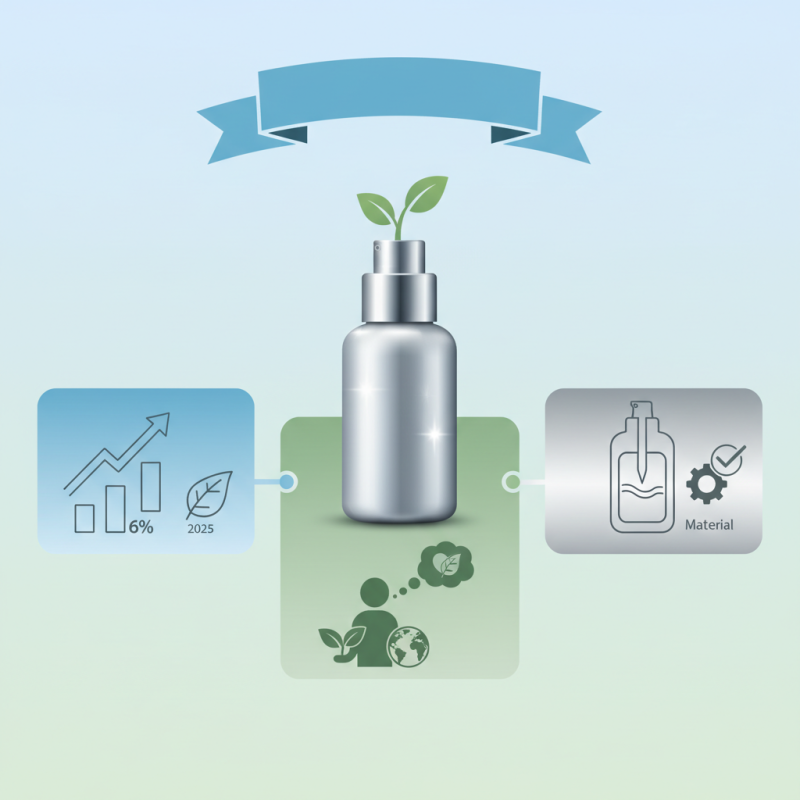
In recent years, the demand for Aluminum Cosmetic Bottles has surged significantly. Industry reports indicate a noteworthy trend, with a projected growth rate of 6% annually through 2025. This growth highlights the increasing consumer preference for sustainable packaging options. Aluminum Cosmetic Bottles are lightweight, durable, and fully recyclable, making them an attractive choice for brands committed to environmental responsibility.
Dr. Sarah Johnson, a leading expert in sustainable packaging solutions, emphasizes the importance of this trend: "Choosing Aluminum Cosmetic Bottles not only benefits brands but also aligns with consumer values." Her insight reflects the shift towards eco-friendly packaging, driven by informed consumers seeking products that minimize environmental impact.
However, not all aluminum bottles are created equal. Some brands may overlook crucial details, such as ensuring the bottles are lined to prevent chemical reactions with cosmetics. As the industry evolves, brands must constantly evaluate the quality and sustainability of their packaging choices. Trust in the material and its source remains paramount for both manufacturers and consumers alike.
Benefits of Using Aluminum for Cosmetic Packaging
Aluminum cosmetic bottles offer numerous benefits for both brands and consumers. They are lightweight yet robust, making them ideal for packaging products like lotions and serums. The durability of aluminum ensures that the contents remain protected from external elements, reducing the risk of spillage or contamination. This packaging choice not only keeps products safe but also extends their shelf life, a crucial requirement in the cosmetic industry.
Moreover, aluminum is an environmentally friendly option. It is recyclable and can be repurposed, which appeals to eco-conscious consumers. Unlike plastic, aluminum doesn’t leach harmful chemicals. This is vital for beauty products that are applied directly to the skin. Brands can highlight their commitment to sustainability by choosing aluminum bottles, aligning with consumer values.
However, there are challenges. Some consumers may perceive aluminum as less luxurious compared to glass. It's essential to balance functionality with aesthetics. Also, the initial cost of aluminum bottles might be higher than plastic. Brands should weigh these factors carefully. Ultimately, aluminum cosmetic bottles offer a blend of protection and environmental responsibility, but brands must be mindful of consumer perceptions.
Durability and Protection of Products in Aluminum Bottles
Aluminum cosmetic bottles offer remarkable durability and protection for various products. Their robust composition shields contents from external factors. Unlike glass, aluminum is less prone to breakage. This is significant for brands concerned with product safety and integrity during transit. Packaging should never be an afterthought. If bottles break, valuable products are lost, and trust may be damaged.
Moreover, aluminum’s airtight seal keeps products safe from oxidation. It ensures ingredients maintain their potency and freshness longer. For sensitive formulas, this protection is crucial. Customers want reliable products that work effectively. There's a growing demand for packaging that meets these expectations.
However, it's essential to reflect on sustainability. While aluminum is recyclable, not all users ensure proper disposal. This can lead to environmental concerns. Additionally, some may perceive aluminum as less luxurious. Overcoming these misconceptions requires education and transparency from manufacturers. In a competitive beauty market, continuous improvement and innovation are vital for customer satisfaction and brand loyalty.
Eco-Friendly Attributes of Aluminum Bottles in Cosmetics
Aluminum cosmetic bottles are gaining popularity for a reason. Their eco-friendly attributes play a crucial role in promoting sustainability in the cosmetics industry. Made from recyclable materials, aluminum bottles are often recycled over and over without losing quality. According to the Aluminum Association, nearly 75% of all aluminum produced is still in use today, demonstrating the effectiveness of recycling in reducing waste.
The cosmetics industry generates a significant amount of plastic waste. The Ellen MacArthur Foundation reported that only 9% of plastic is actually recycled. Switching to aluminum not only reduces plastic use but also lowers the carbon footprint. Aluminum bottles can be filled multiple times, increasing product longevity. Additionally, they are lightweight, which reduces shipping emissions and costs.
Moreover, aluminum's natural barrier properties protect contents from UV light and oxygen. This preservation prolongs product life without needing harmful preservatives. The aesthetic appeal also cannot be ignored. Many consumers prefer the sleek, modern look of aluminum over traditional plastic. It resonates with eco-conscious customers who appreciate brands that prioritize sustainability. However, some may view the production process of aluminum as energy-intensive, prompting a discussion on improving the aluminum industry's environmental practices.
Versatility in Design and Functionality of Aluminum Containers
When considering packaging for cosmetic products, aluminum bottles stand out. Their design offers versatility that caters to various aesthetic needs. Aluminum can be easily molded into different shapes and sizes. Brands can create unique looks that resonate with their target audience. The wide range of finishes adds another layer of customization. From matte to glossy, each finish can enhance visual appeal.
Functionality is equally important. Aluminum is lightweight yet sturdy. This durability helps protect the contents from damage during transportation. Additionally, the material is 100% recyclable, making it an eco-friendly choice. However, some may worry about metal's reaction to certain substances. Testing is essential to ensure compatibility. While aluminum is generally safe, it’s wise to be cautious.
Customization does come with challenges. Brands must balance aesthetics and functionality. Designing for both can lead to unforeseen issues. If a bottle looks good but isn’t practical, it can deter consumers. Regular feedback and product trials are crucial to refine designs. Striking the right balance between beauty and utility is key for brands striving for success in this competitive market.
Cost-Effectiveness and Market Appeal of Aluminum Bottles
Aluminum cosmetic bottles present an attractive option for brands aiming to enhance their market appeal. With their sleek design and modern aesthetic, these bottles capture consumer attention. The shiny surface reflects sophistication, making products look premium. This visual appeal can significantly influence purchasing decisions.
When considering cost-effectiveness, aluminum bottles offer several advantages. They are lightweight, reducing shipping costs. Additionally, they are durable, which lowers the likelihood of breakage during transport or handling. Unlike glass, aluminum reduces the risk of product loss. This factor can lead to better profit margins and a more sustainable business model.
However, choosing aluminum does come with challenges. Some consumers may prefer traditional materials like glass or plastic. The perception of aluminum may vary. Brands need to invest in educating their audience. It’s crucial to highlight the recyclability and eco-friendliness of aluminum. Addressing concerns directly can foster trust and loyalty in the long run. Brands should focus on continuous improvement and gather feedback. This ongoing dialogue can refine their strategies and strengthen their market position.
Cost-Effectiveness and Market Appeal of Aluminum Cosmetic Bottles
FAQS
: Aluminum bottles are lightweight and robust. They protect products from spillage and extend shelf life.
Aluminum is recyclable and doesn’t leach harmful chemicals. This makes it safer for beauty products applied to the skin.
Some consumers perceive aluminum as less luxurious than glass. Brands must balance functionality with aesthetics.
Aluminum bottles are lightweight, reducing shipping costs. They also lower the risk of breakage during transport.
Aluminum significantly reduces plastic waste. It has a lower carbon footprint and can be filled multiple times.
Sentiments vary; some prefer traditional materials like glass. Brands should educate customers about aluminum’s eco-friendliness.
Aluminum has a sleek, shiny surface that reflects sophistication. It makes products appear premium and attracts customers.
The production process can be energy-intensive. Discussions on improving environmental practices in the aluminum industry are essential.
By addressing concerns and highlighting recyclability, brands can foster trust. Gathering feedback helps refine strategies and build loyalty.
Conclusion
Aluminum cosmetic bottles have emerged as a favored choice for beauty product packaging due to their numerous benefits. The durability of aluminum ensures that products are well-protected from external elements, extending their shelf life while preserving their efficacy. Furthermore, aluminum bottles offer excellent design versatility, allowing brands to create unique and attractive packaging that appeals to consumers.
In addition to their protective qualities, aluminum cosmetic bottles are eco-friendly, as they are fully recyclable and can significantly reduce environmental impact compared to traditional plastic packaging. The cost-effectiveness of aluminum coupled with its market appeal makes it an attractive option for businesses looking to enhance their product offerings. Overall, the combination of functionality, sustainability, and aesthetic appeal positions aluminum cosmetic bottles as a smart choice in the competitive cosmetics market.

 Sunrise Cans