Selecting the right Aluminium Drinks Can for export is crucial for success in the beverage industry. Industry expert Mark Johnson, a leading consultant in packaging solutions, states, "Choosing the right can is vital for product quality and brand identity."
Exporting involves understanding both market demand and consumer preferences. Quality is non-negotiable. The Aluminium Drinks Can must withstand different climates and shipping conditions. Structural integrity is essential to prevent leaks or spoilage during transit.
Additionally, sustainability is a growing concern. Consumers favor environmentally friendly packaging. Companies must consider using recyclable materials. Reflecting on these aspects will further enrich the export strategy. Manufacturers should also be aware of regulations that vary by region. Making mistakes here could be costly and damaging to reputation.
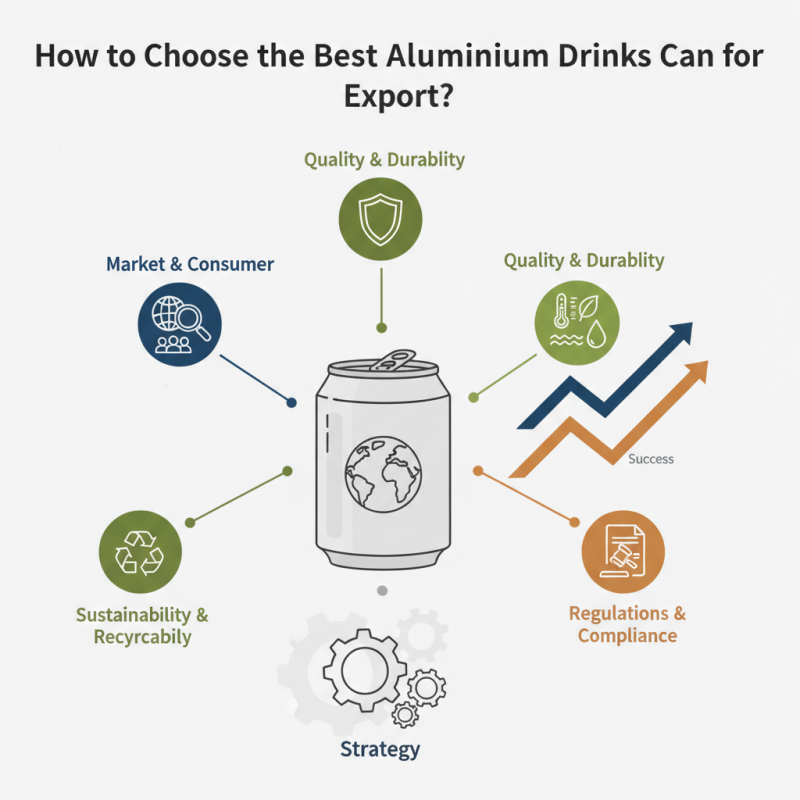
Understanding the global market for aluminium drinks cans requires a keen insight into various factors. The demand for drinks cans is growing steadily globally. This trend is driven by increased consumer preference for convenience. More people are on the go, leading to higher sales of various beverages. Aluminum cans are favored for their recyclability and portability.
As you explore export options, consider regional preferences and regulations. Different countries have unique requirements for packaging and materials. Conducting market research can unveil critical insights about local consumer behavior. Additionally, competition differs significantly across regions. Some markets might be more saturated than others, which can impact pricing strategies.
Analyzing production capabilities is essential. High-quality cans must be produced efficiently to meet international standards. However, staying updated on the latest technologies can be a challenge. Manufacturers often struggle with adapting to rapid changes. Observing these dynamics can help leaders make informed decisions. A flexible production strategy might be necessary for success in varying markets.
When selecting aluminium drinks cans for export, consider several key factors that affect both quality and sustainability. Research indicates that the global aluminium beverage can market is expected to grow by 3.3% annually, highlighting the strong demand for quality packaging. Selecting the right can involves understanding its thickness. A standard thickness of 0.24 mm can offer strength without adding excess weight, crucial for shipping costs.
Sustainability is becoming increasingly important in consumer choices. Approximately 75% of aluminium ever produced is still in use today, making it a highly recyclable material. Ensuring that your cans are made from recycled aluminium can enhance your brand's appeal. However, not all recycling processes are equal; verify that your supplier follows eco-friendly practices.
Lastly, consider the can's lining. Many manufacturers use coatings that may leach into beverages. Studies show that BPA-free linings are preferred, as they are safer for consumers. Ensuring your chosen cans meet health regulations can significantly influence your marketability. It's vital to connect with suppliers who value transparency in their production process and can provide compliance documents when necessary.
When considering aluminium drinks cans for export, quality standards are vital. These cans must meet specific criteria to be compliant with international regulations. Look for certifications that verify the manufacturing process. Compliance with food safety regulations is crucial as well. Ensure the cans are free from harmful substances.
Evaluating the structural integrity of the cans is also important. Conduct stress tests to assess how they hold up during shipping. It's easy to overlook smaller details, like the can's resistance to dents or leaks. Ask about the materials used; they should be lightweight yet durable.
Quality assurance involves more than just testing. Regular audits of manufacturing practices can reveal potential flaws. Engage with suppliers who prioritize transparency in their processes. Reflect on the need for continuous improvement. There may be areas where quality can be enhanced, such as better seam strength or improved coatings. Each detail contributes to a product that meets international standards and satisfies consumers.
When choosing an aluminium drinks can for export, supplier reliability is crucial. It's important to assess the track record of potential suppliers. Investigate their production capacity and previous export experiences. Request samples to evaluate their quality directly. This provides a tangible insight into what to expect.
Cost-effectiveness also plays a significant role in supplier reliability. Compare prices while ensuring that lower costs do not compromise quality. Look for suppliers that offer clear pricing structures without hidden fees. This transparency fosters trust. However, be wary of offers that seem too good to be true. They often are.
It's beneficial to establish long-term relationships with reliable suppliers. This can lead to better pricing and priority in production. Consider visiting suppliers, if possible. Face-to-face meetings can build stronger connections. Nevertheless, always keep an open dialogue. Feedback can improve the collaboration over time. Reflect on past experiences to guide your decisions.
| Supplier | Cost per Can (USD) | MOQ (Minimum Order Quantity) | Lead Time (Days) | Quality Rating (1-5) | Certification |
|---|---|---|---|---|---|
| Supplier A | 0.15 | 50,000 | 30 | 4 | ISO 9001 |
| Supplier B | 0.12 | 40,000 | 25 | 5 | FSSC 22000 |
| Supplier C | 0.14 | 60,000 | 35 | 4 | ISO 22000 |
| Supplier D | 0.13 | 30,000 | 20 | 3 | BRC |
When selecting aluminium drinks cans for export, sustainability plays a pivotal role. Aluminium is reusable and recyclable, which reduces environmental impact. Cans made from recycled aluminium use around 95% less energy compared to new aluminium. Choosing suppliers that prioritize recycled materials can significantly enhance sustainability.
However, not all aluminium offers the same eco-friendly benefits. Some cans may appear recycled but contain minimal recycled content. This can mislead buyers and affect their branding. Transparency from suppliers is crucial. Look for certifications indicating recycled content and sustainable practices.
Moreover, consider the entire lifecycle of the can. Transportation emissions also impact sustainability. Lightweight cans reduce logistics costs and carbon footprints. Selecting a balance between durability and weight is essential. Reflecting on these factors ensures that exports align with environmental goals.
This chart illustrates the sustainability metrics for different types of aluminium drinks cans based on energy consumption during production, recycling rates, and carbon footprint. The data helps in making informed decisions when selecting aluminium cans for export.
: The demand is growing due to increased consumer preference for convenience and on-the-go lifestyles.
Market research reveals local consumer behavior and unique regional preferences and regulations.
Some markets may be saturated, impacting pricing strategies and potential profitability.
Supplier reliability, production capacity, and track record of previous exports are crucial factors.
Request samples to directly assess the quality of their products and what to expect.
It ensures that lower prices do not sacrifice quality, fostering trust without hidden fees.
These relationships can lead to better pricing, prioritized production, and stronger connections.
Yes, face-to-face meetings can enhance collaboration and improve trust.
Open dialogues allow for constructive input that can enhance collaboration over time.
Such offers often hide compromises in quality or reliability, requiring caution.
Choosing the best Aluminium Drinks Can for export requires a thorough understanding of the global market dynamics. Key factors include evaluating the quality standards necessary for compliance with international regulations, ensuring that the cans meet safety and performance benchmarks. Additionally, it is essential to assess the cost-effectiveness of the cans while also considering supplier reliability, which impacts both supply chain stability and product quality.
Sustainability has become an increasingly important aspect in the selection of Aluminium Drinks Cans, as consumers and businesses alike prioritize environmentally friendly practices. Emphasizing recyclable materials and sustainable production methods can enhance market appeal. By carefully weighing these factors, exporters can make informed decisions that align with both market demands and ethical considerations in their chosen Aluminium Drinks Can products.

Sunrise Cans