Choosing Aluminum Lotion Bottles in 2026 requires more than comparing finishes or unit prices. Packaging decisions now affect product safety, carbon reporting, recycling claims, and customer trust. The International Aluminium Institute reports that almost 75% of all aluminium ever produced remains in use today. This supports aluminium’s long-term material value, but it does not make every bottle automatically sustainable.
The right bottle must protect lotion from light, oxygen, moisture, and contamination. Product developers should review wall thickness, internal coatings, neck dimensions, pump compatibility, and leakage performance. A small laboratory sample may look perfect, yet fail after repeated dispensing or transport vibration. Compatibility testing matters. So does the formula.
Smithers’ global packaging research identifies sustainability, lightweighting, and recyclable formats as major forces shaping packaging development through the late 2020s. Meanwhile, the International Energy Agency continues to highlight aluminium’s energy-intensive primary production. Recycled content can reduce impact, but suppliers must verify its percentage and source. Marketing language should match documented evidence.
Details matter.
Buyers should request migration data, coating specifications, recycled-content certificates, and quality-control records. They should also examine minimum order quantities, filling-line speed, pump availability, and regional recycling systems. A premium anodized surface may improve shelf appeal, but it can complicate recycling or increase cost. That assumption needs checking.
This guide explains how to evaluate Aluminum Lotion Bottles for skincare, body care, and professional formulations in 2026. It combines packaging engineering, supplier experience, lifecycle considerations, and practical purchasing judgment. No material wins every test. The best choice depends on the formula, distribution route, brand promise, and evidence behind each claim.
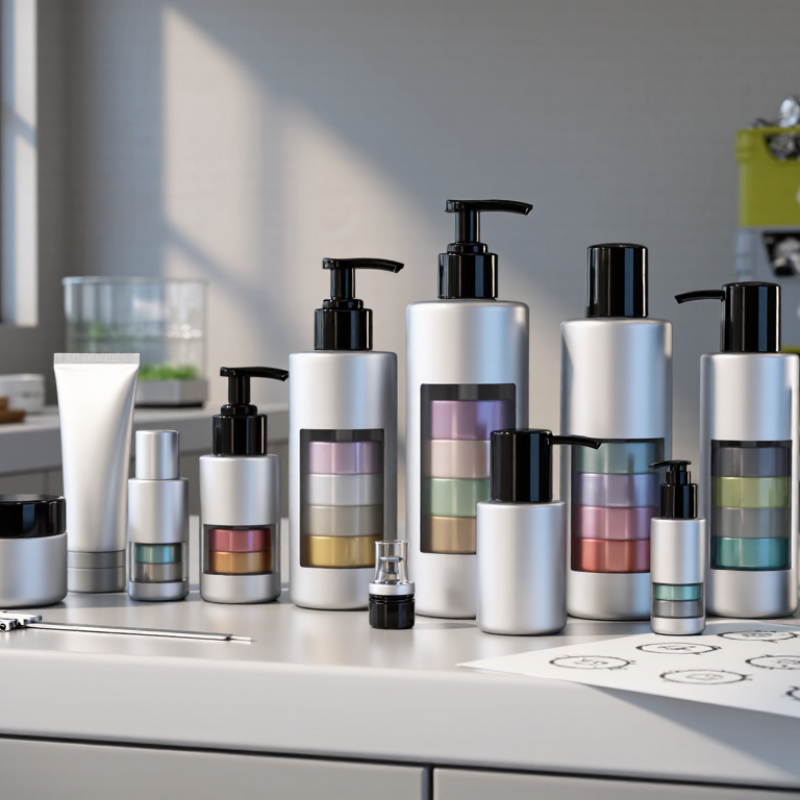
Before choosing an aluminum lotion bottle, define the formula and how people will use it. A thin lotion may work with a pump, while a dense cream can need a wider opening. Check the formula’s viscosity, fragrance oils, acidity, and sensitivity to light or air. These details affect dispensing and compatibility. Small details matter. Confirm the bottle’s internal coating is suitable, then test filled samples for leaks, discoloration, odor changes, and pump performance over time.
Set practical requirements for capacity, neck finish, and daily dispensing. A 100-milliliter bottle may suit a handbag; a larger format may work better at a bathroom sink. Ask suppliers for dimensional drawings and test the intended pump with the actual formula, not water. Water behaves differently. Also check whether the closure, label, and coating can be separated or handled by local recycling systems; an aluminum body alone does not guarantee recyclability.
Environmental claims should stay specific. The International Aluminium Institute reports that recycling aluminum can use up to 95% less energy than producing primary aluminum. That figure concerns aluminum production, not the full footprint of a finished lotion bottle. I would avoid treating it as a product-level result. Request material specifications and recycling guidance for the bottle’s destination market before approving production.
Aluminum lotion bottles differ in body construction, neck shape, and dispensing hardware. Seamless, impact-extruded bodies have no side seam and feel clean and rigid. Multi-piece bottles allow different shapes, but their joins deserve close inspection. Check that the shoulder, thread, and pump fit together; a handsome bottle is frustrating if the pump draws air. Small detail, big impact.
Linings help separate the lotion from bare metal, but compatibility depends on both the coating and the formula. Water-based, acidic, or fragrance-rich lotions may behave differently during storage. Ask for coating details, then test with the actual lotion in the finished bottle. Watch for odor or color changes, corrosion, and pump performance. One quick test is not enough. Use samples under realistic storage conditions, including warm periods.
Finishes shape both appearance and daily handling. Brushed aluminum shows a soft grain, while matte coatings reduce glare but may reveal scuffs. Glossy surfaces feel polished, though fingerprints can show quickly. Printed or coated finishes also need checks for adhesion around the shoulder and base. View samples under bathroom lighting and handle them with damp hands. A finish can look perfect on a screen and feel slippery in use.
Choose capacity by how and where the lotion will be used. A 30–60 ml bottle suits travel kits or samples, while a larger format can work better at home. Check the usable fill volume, not only the bottle’s stated capacity. Thick creams may also take longer to dispense from narrow openings.
Match the closure to the formula and the user’s routine. A pump helps control portions, but its dip tube must reach the product near the bottle’s base. A disc-top or screw cap is simpler, though it may leave lotion on the fingers. Check that the closure fits securely and that any inner coating is compatible with the formula. Test filled samples upright, sideways, and after repeated pumping. A small trial run is less exciting than a polished launch, but it can reveal leaks or dispensing problems. It may still miss something.
Tips: Test the actual lotion, not water. Compare several pumps and caps, and note how much product remains inside. If the lotion is unusually thick, ask the supplier for a sample with the intended dispenser.
Estimated days of use by bottle capacity
Estimates assume 4 mL of lotion dispensed per day (2 mL twice daily) and use the stated nominal capacity. Actual use varies with dose and product. Choose a pump for pourable lotions or a cap for manual dispensing, and confirm closure compatibility with the bottle’s neck finish and formulation.
Assess Product Compatibility, Safety, and Sustainability
A lotion bottle should suit the formula, not just look polished on a shelf. Check whether the aluminum has an interior coating, and ask for compatibility data for your specific product. Fragrances, oils, acids, and preservatives can affect packaging differently. Test filled bottles under realistic storage conditions, including heat and repeated pumping. Look for changes in color, scent, texture, leakage, or dispensing. Small details matter. A short test is useful, but it cannot replace documented testing over the product’s intended shelf life.
Safety depends on more than the bottle body. Review the coating and closure materials, seam quality, and supplier documentation. Confirm that the pump delivers a consistent dose and does not clog with thicker lotions. Inspect samples for dents, sharp edges, and loose components. I would not assume that “aluminum” alone guarantees suitability; the full package needs evaluation. That part is easy to overlook.
Choosing aluminum lotion bottles in 2026 takes more than comparing capacity and finish. Check the alloy, wall thickness, inner coating, and neck dimensions against your formula and dispenser. A lotion with certain ingredients may interact with an unsuitable lining, so request compatibility information from the supplier. Ask for current specifications, batch traceability, and inspection records. Good paperwork helps, but it cannot replace testing.
Before ordering, request samples made with the same materials and process as the planned production run. Fill them with your lotion, fit the intended pump, and check for leakage, corrosion, dents, and dispensing consistency. Store samples upright and on their sides, then inspect them after several days. Test a few through ordinary handling and shipping conditions too. A polished sample can hide production variation; I would not treat one perfect bottle as proof. Agree on written acceptance criteria before approving the order.
Tips: Record sample lot numbers and test dates. Photograph defects beside a ruler. Test more than one bottle. Small details matter. If results vary, pause and ask the supplier to explain the cause before committing to a large quantity.
Use this checklist to compare suppliers and evaluate physical samples. Suitability depends on the formula, dispensing system, destination market, and agreed product specifications.
| Evaluation Area | What to Specify or Verify | Sample Test or Evidence | Decision Check |
|---|---|---|---|
| Bottle material | Request the aluminum alloy and temper specification, nominal wall thickness, bottle dimensions, and capacity. Confirm whether the body is seamless or made using another construction method. | Compare the sample with the agreed drawing and specification sheet. Check for dents, sharp edges, visible seams, and inconsistent forming. | Do not rely on “aluminum bottle” alone; record the material and dimensional requirements in the purchase specification. |
| Internal coating | Ask whether the interior has a coating and request its technical details, intended use, and compatibility information for the proposed lotion. | Fill samples with the actual formula, or a representative formula, and observe for changes in appearance, odor, leakage, or coating condition over an agreed test period. | Approve only after the formula and the bottle’s internal surface have been assessed together. |
| Formula compatibility | Provide relevant formula characteristics, such as pH range, water or oil content, and any ingredients that may interact with packaging materials. | Conduct a documented compatibility assessment under conditions relevant to intended storage and use. Record the formula, sample lot, storage conditions, and observations. | Set acceptance criteria with the supplier and, where needed, a qualified packaging or formulation laboratory. |
| Exterior finish and printing | Specify the exterior finish, color reference, decoration method, and any requirements for abrasion or handling resistance. | Inspect color and print alignment under consistent lighting. Rub and handle the sample using an agreed method, then check for visible transfer, peeling, or damage. | Approve a signed or otherwise controlled reference sample before production. |
| Neck and closure fit | Confirm the neck dimensions and closure type, including the matching thread or other connection details. Verify that the bottle and closure are designed to work together. | Fit the intended cap or pump to multiple samples. Check for cross-threading, looseness, interference, and consistent closing. | Test the complete bottle-and-closure assembly, not just the individual components. |
| Pump or dispensing system | Specify the lotion pump or other dispenser, its materials, dip-tube length, output per actuation if declared, and any locking feature. | Prime and operate the dispenser with the intended product or a representative test fluid. Check for consistent operation, clogging, drips, and product left in the bottle. | Confirm dispensing performance with the actual formula; output can vary with product viscosity and pump design. |
| Leak resistance | Agree on a leak-test procedure suited to the filled package, closure, transport orientation, and intended distribution conditions. | Test filled samples in relevant orientations and record the duration, temperature, orientation, and any leakage or closure loosening. | Define the test conditions and pass/fail criteria before ordering; a test result applies only to the conditions tested. |
| Corrosion and appearance | Ask how the supplier evaluates corrosion risk for the bottle, interior coating, exterior finish, and closure materials. | Review any applicable test report and examine stored, filled samples for discoloration, corrosion, coating changes, or product changes. | Choose test conditions based on the formula and expected storage environment; do not assume all aluminum packages behave alike. |
| Dimensions and capacity | Specify nominal fill volume, brimful capacity if relevant, overall height, diameter, neck dimensions, and dimensional tolerances. | Measure samples with suitable calibrated equipment and compare results with the approved drawing. Check whether the package fits the intended carton or display. | Clarify whether stated capacity means nominal fill volume or another measurement before confirming the order. |
| Quality system and traceability | Ask for the supplier’s relevant quality procedures, lot identification method, inspection records, and process for handling nonconforming goods. | Review a sample inspection report and verify that the sample and production lots can be identified and traced. | Confirm how production changes, defects, and corrective actions will be communicated and documented. |
| Regulatory and material documentation | Identify the destination markets and request documentation relevant to the package and intended use, such as material declarations or applicable test reports. | Check that documents identify the correct material or component, have a clear scope, and are current for the proposed packaging configuration. | Packaging requirements vary by market and product type; verify obligations with qualified regulatory support where appropriate. |
| Production consistency | Ask how incoming materials, in-process operations, and finished bottles are inspected, and which characteristics are checked on each lot. | Compare pre-production samples with production samples for dimensions, finish, closure fit, and agreed visual standards. | Agree on inspection criteria and a defect-handling process before placing a production order. |
| Sample approval and order terms | Confirm sample availability, sample and tooling charges, lead times, minimum order quantity, packaging method, and the process for approving changes. | Keep an identified approved sample and the final specification for comparison with the delivered goods. | Place the order only after key specifications, test results, tolerances, and acceptance criteria are documented. |
Match the capacity to its use. A 30–60 ml bottle suits travel kits or samples; larger bottles may work better at home. Check usable fill volume, not just the stated capacity.
Yes. Thick cream can move slowly through a narrow opening. Test your actual lotion with the intended dispenser, not water.
A pump can control portions if its dip tube reaches near the bottle’s base. Disc-top and screw caps are simpler, but lotion may get on your fingers.
Fill a sample and test it upright, sideways, and after repeated pumping. Look for leaks and note how much lotion remains inside. A short test may still miss problems.
Ask for alloy, wall thickness, inner-coating, and neck-dimension specifications. Request compatibility information, batch traceability, and inspection records.
Some lotion ingredients may interact with an unsuitable lining. Check compatibility with the supplier, then test a filled sample with your formula.
Use samples made with the planned production materials and process. Fill them, attach the intended pump, and check for leaks, corrosion, dents, and consistent dispensing.
Test more than one bottle. Store samples upright and on their sides for several days, then inspect them after ordinary handling and shipping conditions.
Record lot numbers and test dates. Photograph defects beside a ruler, and agree on written acceptance criteria before approving an order. One perfect bottle proves little.
Pause before placing a large order. Ask the supplier to explain the variation; small details matter.
Choosing the right Aluminum Lotion Bottles in 2026 starts with understanding your lotion’s needs, including its texture, formula, intended use, and preferred presentation. Compare bottle styles, interior linings, and exterior finishes to find an option that suits both the product and your packaging goals. Then select a capacity and closure that make the lotion easy to store, carry, and dispense, whether a simple cap or a pump best fits the user experience.
Before placing an order, assess compatibility between the lotion and the bottle materials, along with packaging safety and sustainability considerations. Check that the chosen design helps protect product quality during storage and use. Finally, evaluate suppliers for consistent manufacturing quality and request samples for practical testing. Reviewing the bottle, lining, finish, and dispensing system in advance can help prevent mismatches and support a more reliable packaging decision.

Sunrise Cans