How to Choose the Best Aluminium Beverage Can for Your Needs?

Time:2026-06-07 Author:Charlotte
0%

Choosing the right Aluminium Beverage Can is crucial for both manufacturers and consumers. With an increasing demand for eco-friendly packaging, the aluminium can stands out. Its lightweight nature and recyclability make it an excellent choice.

When selecting an Aluminium Beverage Can, consider the drink type. Different beverages require specific can designs. The size and shape can impact the overall presentation and preservation of the beverage. Pay attention to details like lining and sealing methods to ensure quality. Each choice reflects both the brand's image and customer satisfaction.

However, not all cans are created equal. Some might not hold up under pressure or may alter the flavor of the drink. It's important to research and compare options. Evaluating durability and performance is vital for long-term success. As you navigate this process, remember that the best can is one that meets your specific needs while supporting sustainability.
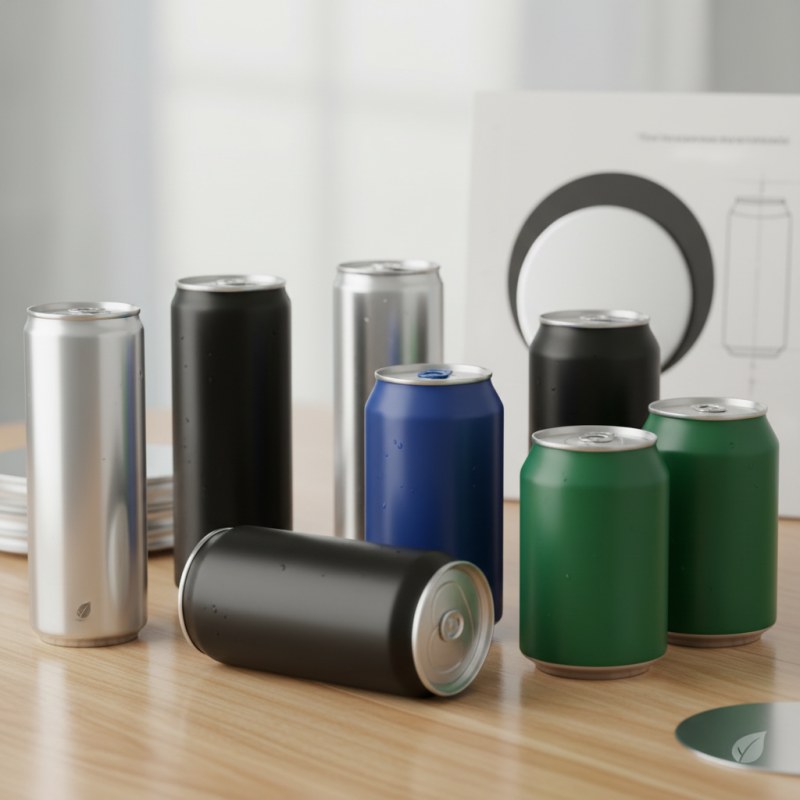
How to Choose the Best Aluminium Beverage Can for Your Needs?

Understanding the Types of Aluminium Beverage Cans Available

When choosing aluminium beverage cans, understanding the different types available is crucial. Aluminium cans come in various sizes and designs. Common types include standard beverage cans, slim cans, and larger format containers. Each type serves specific needs and preferences. For example, standard cans hold 12 ounces, perfect for most soft drinks. Slim cans, on the other hand, are trendy but hold less volume.

Moreover, you might encounter specialty cans. These include resealable options for convenience and cans designed for specific beverages. Some feature unique opening mechanisms. When selecting, consider the beverage type and consumer preferences. This awareness can significantly impact your choice.

Another factor to ponder is the environmental impact. While aluminium is recyclable, the production process can vary. Some cans use more energy and resources than others. It's valuable to question which options align with your values. Potential buyers should weigh convenience against sustainability. Finding the right balance is not always straightforward, and reflecting on your choices is wise.

Evaluating Size and Volume for Your Specific Beverage Needs

When selecting an aluminum beverage can, size and volume play crucial roles in meeting consumer needs. Recent industry studies reveal that nearly 70% of consumers prefer specific can sizes based on their beverage choices. A standard 355 ml can is ideal for soft drinks, while 473 ml cans are more popular for energy drinks. Understanding the target audience is vital for brands. They must align with consumer preferences to ensure satisfaction.

Furthermore, dehydration and hydration patterns indicate that consumers are gravitating towards larger sizes for convenience during activities. Reports show that 40% of sports drink consumers opt for larger volumes. This presents a challenge when determining the right can size for specific beverage formulas. Packaging must maintain the product's integrity while considering portability.

It is important to reflect on packaging waste, as larger cans may lead to increased environmental impact. Reducing can sizes could also result in lower consumer cost. However, this would require balancing convenience against sustainability. Brands must thoughtfully consider these factors to appeal effectively to their market while addressing environmental concerns.

Assessing Can Durability and Its Impact on Beverage Quality

When selecting an aluminium beverage can, durability plays a crucial role. A can that is not well-built can compromise the beverage inside. Thin or poorly constructed cans may dent easily. Dents can create weak spots, leading to leaks. This not only wastes the drink but also alters its taste.

Beverages stored in fragile cans may experience quality degradation. Light exposure and temperature fluctuations can occur more easily. An aluminium can that is durable protects its contents from external factors. It helps preserve the flavour and freshness. This is particularly important for carbonated drinks. Their pressure is crucial for the experience. A can that can withstand pressure ensures a satisfying sip.

When assessing a can's durability, consider its thickness and material quality. While a lightweight can may seem convenient, it can also mean risk. An appropriate balance between weight and sturdiness is essential. Take the time to research and analyze. Durable cans can enhance your beverage's shelf life, making a significant difference in quality and taste.

Comparing Cost-Effectiveness and Sustainability Options

Choosing the right aluminium beverage can involves more than just personal preference. Cost-effectiveness is a primary concern for consumers and businesses alike. Aluminium cans are generally more affordable than glass or plastic alternatives. They provide a good balance between quality and pricing. When you consider bulk purchasing, the savings can be significant.

Sustainability is another key factor. Aluminium is infinitely recyclable, making it a better choice compared to other materials. While recycling rates vary globally, using recycled aluminium can lead to substantial energy savings during production. However, the environmental impact of transporting cans still deserves attention. It’s vital to assess sourcing practices alongside recycling options, as local production can minimize carbon footprints.

In terms of durability, aluminium cans offer resilience but can be prone to dents. This may affect the aesthetic appeal and shelf life of beverages. Additionally, some consumers express concerns over the potential leaching of substances from the can lining. Picking the best option requires balancing these factors against your specific needs and priorities. It’s worthwhile to reflect on how these choices align with personal values and lifestyle.

Identifying Supplier Reliability and Distribution Efficiency

When choosing the right aluminium beverage can, assessing supplier reliability is crucial. Reports indicate that 40% of manufacturers experience delays due to unreliable suppliers. This impacts production schedules and inventory levels. Verifying a supplier's track record can mitigate risks. Look for companies with a history of on-time deliveries and consistent quality. Researching client testimonials can provide insight into their performance.

Distribution efficiency also significantly influences the selection process. Efficient distribution can reduce shipping times by up to 30%. It is essential to consider logistics capabilities and network reach. Some suppliers may excel in local distribution but lack international delivery options. An effective supplier should balance both aspects. Inadequate distribution can lead to stock shortages and lost sales opportunities. It is worth noting that 25% of businesses report issues connecting with suppliers during peak demand times.

Engaging with potential suppliers through direct communication can reveal their responsiveness. This aspect is often overlooked. Many companies fail to consider how effective communication enhances collaboration. Suppliers who promptly address queries tend to provide better service overall. Striking the right balance between reliability and efficiency requires careful consideration.

FAQS

: What sizes of aluminum cans are preferred by consumers?

: Nearly 70% of consumers prefer specific sizes, like 355 ml for soft drinks and 473 ml for energy drinks.

Why are larger can sizes gaining popularity?

Many consumers, especially sports drink users, prefer larger cans for convenience during activities.

What impact does can durability have on beverages?

Poorly built cans can dent easily, leading to leaks and altering the beverage's taste.

How can the choice of can impact sustainability?

Larger cans may increase environmental impact, necessitating a balance between size and sustainability.

What factors should be considered when assessing can durability?

Look at thickness, material quality, and the balance between weight and sturdiness for optimal performance.

Why is aluminum preferred over glass or plastic?

Aluminum cans are generally more affordable and infinitely recyclable, offering a better price-quality balance.

What potential concerns exist with aluminum cans?

Some consumers worry about dents affecting aesthetics and shelf life, as well as possible leaching from can linings.

How can sourcing affect the environmental footprint of cans?

Local production minimizes carbon footprints and can enhance overall sustainability in can manufacturing.

Why is consumer preference important for brands?

Brands must align with consumer needs to ensure satisfaction, particularly regarding size and can quality.

Is there a trade-off between convenience and environmental impact?

Yes, larger can sizes offer convenience but may increase waste, prompting reflection on sustainable practices.

Conclusion

When selecting the best Aluminium Beverage Can for your needs, it is essential to understand the various types available. Different styles cater to a range of beverages, so evaluating the size and volume is crucial to ensure your drink is well-packaged. Additionally, the durability of the can plays a significant role in maintaining the quality of the beverage, as a sturdy can can prevent spoilage and leakage.

Cost-effectiveness and sustainability are also vital factors to consider in your decision-making process. Aluminium Beverage Cans are often regarded for their recyclability, making them a more environmentally friendly option. Lastly, identifying reliable suppliers and their distribution efficiency will ensure a steady and dependable supply of these cans for your beverage needs.


Charlotte

Charlotte

Charlotte is a seasoned marketing professional with a deep understanding of the company's portfolio and a passion for elevating its presence in the market. With a keen eye for detail and a commitment to excellence, she ensures that our professional blog is regularly updated with insightful articles......