How to Choose the Right Aluminum Tin Can for Your Needs?

Time:2026-06-28 Author:Amelia
0%

Choosing the right Aluminum Tin Can is crucial for various applications. This decision impacts both the quality of the contents and consumer safety. Aluminum tin cans are lightweight, durable, and offer excellent protection against moisture and light. These factors enhance the shelf life of products stored within.

When selecting an Aluminum Tin Can, consider the size, shape, and intended use. Each type serves different purposes. For instance, small cans are ideal for single servings, while larger options fit bulk storage needs. Additionally, think about the compatibility of the can with its contents. Some chemicals may react with aluminum, affecting safety and quality.

It’s also important to consider the environmental impact. Recycling Aluminum Tin Cans is a great way to reduce waste. However, not all cans are recyclable, and this can lead to frustration. Understanding these nuances is key to making an informed choice. Being knowledgeable about your options can help you avoid common pitfalls. Choose wisely to ensure your Aluminum Tin Can meets your specific needs.
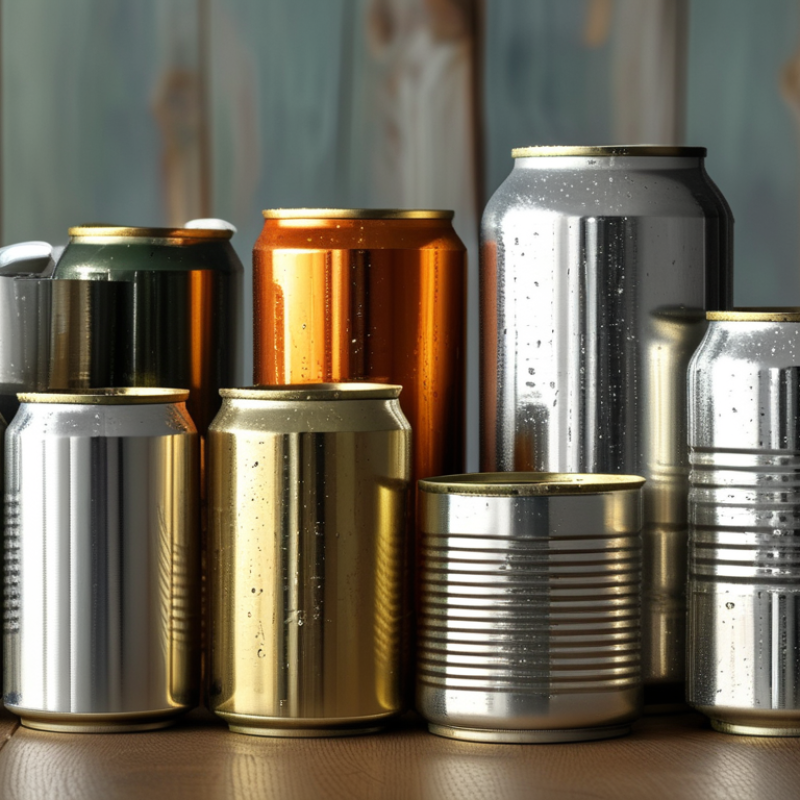
How to Choose the Right Aluminum Tin Can for Your Needs?

Understanding the Different Types of Aluminum Tin Cans Available

When choosing the right aluminum tin can, it's essential to understand the various types available. There are many styles to consider. For instance, you might find standard cans, which are commonly used for beverages, soups, or sauces. These cans have a uniform size, making them easy to stack and store. They work well for products requiring long shelf life due to their excellent sealing properties.

Another option is the aluminum aerosol can. This type is ideal for products that need a pressurized environment, such as spray paints or cleaning solutions. These cans also come with specialized nozzles. However, you must ensure proper recycling because they require different processing from standard cans. Not all recycling facilities accept aerosol cans, so checking local guidelines is crucial.

Lastly, food cans, designed for safe food storage, come with specific coatings to prevent reactions with acidic contents. These coatings are vital for maintaining food quality. Reflecting on these differences, you may realize that selecting a can isn't just about the product. It’s about understanding functionality, safety, and environmental impact. The decision-making process can be quite complex but ultimately rewarding.

Evaluating the Capacity and Size Requirements for Your Products

Choosing the right aluminum tin can involves understanding the capacity and size that best suits your product. Start by evaluating the volume of your product. Does it require a narrow or wide opening? Knowing your product's dimensions is crucial. A can that is too small may lead to spills. Conversely, a can that is too large can result in wasted space and materials.

Consider how you will package your product. Will it be stacked or displayed on shelves? Height and width play vital roles in consumer visibility. An ideal can should not only fit but also enhance the product's appeal. Small discrepancies in size can lead to issues during production. Assessing your needs thoroughly ensures you avoid costly mistakes.

Additionally, think about usability. A well-sized can should be easy to handle. If consumers struggle with opening or pouring, it may impact their experience. Balancing functionality with aesthetics is essential. Reflect on any past experiences with packaging sizes. These reflections can guide you in making informed decisions for your new products.

Assessing the Durability and Regulations for Aluminum Tin Cans

When selecting aluminum tin cans, durability and compliance with regulations are crucial. Aluminum cans are prized for their lightweight yet strong nature. However, not all cans are created equal. Some may not withstand high pressure or extreme temperatures, leading to potential leaks or spoilage. Always check for the specific certifications that ensure safety and quality.

Tips: Look for cans that meet industry standards. These include resisting corrosion and maintaining integrity under various conditions. Inspect for the thickness, as a thicker can often signals enhanced durability.

Regulations also dictate how cans interact with different contents. For example, acidic foods may require specific coatings to prevent reactions. It’s essential to understand what type of food or beverage you plan to store. A mismatch could lead to flavor alterations or health risks.

Tips: Evaluate what you’re packaging. Acidic products need cans labeled as suitable for such use. And remember, not all labels are visible. Ask suppliers for detailed information. Choose wisely to ensure safety and satisfaction in your long-term usage.

Exploring Customization Options for Branding and Aesthetics

When selecting aluminum tin cans, aesthetics and branding are crucial. Customization options can elevate your product's presence. Colors, shapes, and finishes impact consumer choices. Bright colors attract attention, while matte finishes convey elegance.

**Tips:** Think about your target audience. What appeals to them? Consider their preferences. Use colors that resonate emotionally. Unique shapes can differentiate your product on the shelf.

Labeling is another area to explore. Custom labels can enhance branding. High-quality graphics create lasting impressions. Be cautious with design choices. Overcomplicating can confuse potential customers. Ensure clarity in your message.

**Tips:** Use simple designs. Keep text readable. Avoid clutter to maintain focus. These elements will not only enhance your brand identity but also create a memorable experience for consumers. Choose wisely, as these details matter.

Determining the Cost-effectiveness and Supplier Reliability

When selecting an aluminum tin can, supplier reliability plays a crucial role in cost-effectiveness. A dependable supplier ensures high-quality materials. This directly impacts the safety and durability of your products. Evaluate potential suppliers by asking for references. Look at their past projects and current clients. Strong relationships often lead to better support and pricing.

Cost-effectiveness isn't just about finding the cheapest option. Understand the balance between price and quality. A reliable supplier may charge more but provide superior service. This can save you money in the long run. Pay attention to their production capabilities. Low-capacity suppliers might not meet your demands during peak times. Assess their ability to deliver on time. Delays can disrupt your operations significantly.

Consider conducting audits or site visits to examine their processes firsthand. This can reveal important details about their practices. Sometimes, a supplier might seem perfect on paper, but reality could differ. Be cautious of red flags, such as inadequate communication or lack of transparency. Selecting the right aluminum can supplier involves more than just cost; it’s about building a partnership that supports your goals.

FAQS

: What are the common types of aluminum tin cans?

: Common types include standard cans for beverages, aerosol cans for pressurized products, and food cans with protective coatings.

How important is the durability of aluminum cans?

Durability is critical. Some cans may not withstand high pressure or extreme temperatures, risking leaks.

What should I check for to ensure can safety?

Look for cans that meet industry standards, resist corrosion, and come with adequate thickness for enhanced durability.

Why are specific coatings important for food cans?

Coatings prevent reactions with acidic contents. Mismatched cans can alter flavors or pose health risks.

How can customization impact my product’s appeal?

Customization adds aesthetic value. Unique colors and shapes can attract consumers and differentiate your product on shelves.

What are some tips for effective labeling?

Use simple, clear designs. Maintain text readability and avoid clutter to ensure your message is memorable and focused.

Are all aluminum cans recyclable?

Not all cans are recyclable. Aerosol cans may require different processing, so check local recycling guidelines.

How can I align my can choice with my product's needs?

Evaluate your product's contents. Consider acidity and safety requirements to ensure proper can selection for long-term use.

Why should I consider my target audience’s preferences?

Understanding your audience helps choose colors and shapes that resonate emotionally, enhancing product appeal and sales potential.

What are the potential pitfalls of custom can designs?

Overcomplicated designs can confuse customers. Focus on clarity and simplicity to maintain focus and strengthen brand identity.

Conclusion

When selecting the right Aluminum Tin Can for your needs, it's crucial to understand the various types available in the market, each designed for specific applications. Evaluating the capacity and size is fundamental to ensure your product fits perfectly, while also considering the can’s durability and compliance with relevant regulations.

Additionally, customization options can enhance your branding and aesthetic appeal, giving your product a distinctive edge. Lastly, assessing the cost-effectiveness of different options and the reliability of suppliers is essential for maintaining quality and consistency in your packaging solutions. By carefully considering these factors, you can make an informed decision that meets both functionality and market demands.


Amelia

Amelia

Amelia is a seasoned marketing professional with a wealth of expertise in our company’s core offerings. With an unwavering passion for driving growth and innovation, she plays a pivotal role in shaping our marketing strategies and enhancing brand visibility. A key aspect of her responsibilities......