Aluminium beer cans have transformed the global beverage industry, offering vital advantages for export. According to industry expert Dr. Emily Roberts, "Aluminium beer cans are the future of beverage packaging." This statement emphasizes the growing importance of Aluminium beer cans in our global economy.
The lightweight nature of these cans makes them efficient for transport. Their durability keeps the beer fresher, enhancing quality for consumers. Furthermore, recycling rates for Aluminium beer cans are remarkably high, aligning with sustainable practices. However, challenges remain, such as ensuring consistency in production and addressing market fluctuations.
The popularity of Aluminium beer cans continues to rise. Yet, some companies still hesitate to adopt this innovative packaging. Reflecting on these issues is crucial for fostering growth in the industry. As we explore the reasons behind their significance, it becomes clear that Aluminium beer cans are essential for successful global export.
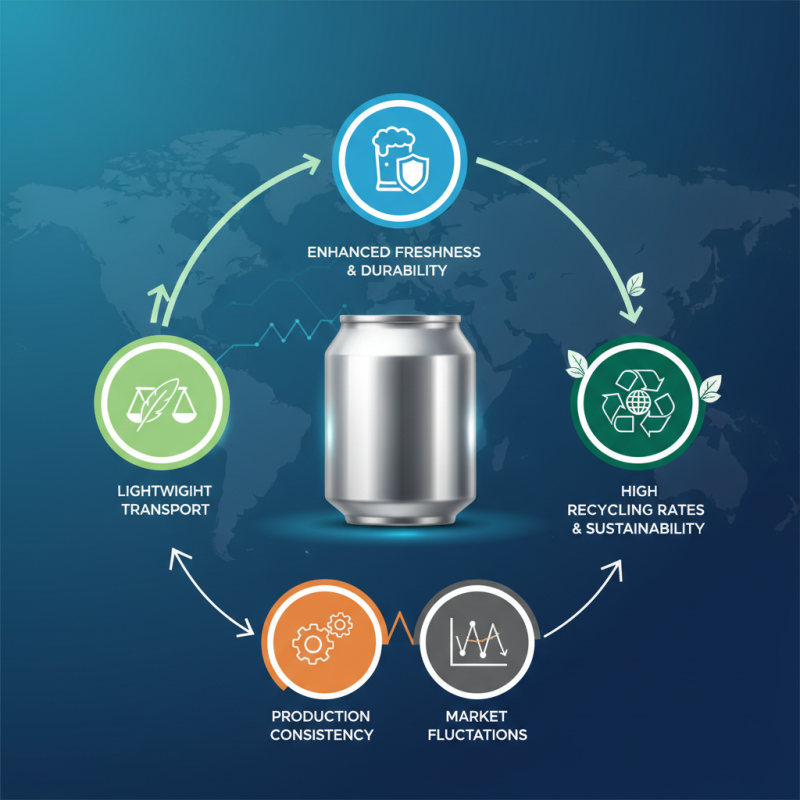
Aluminium beer cans are gaining popularity in global exports due to their lightweight nature. Transporting heavy items can be costly and inefficient. By using aluminium cans, companies can significantly reduce shipping weights. This translates to lower fuel costs and fewer emissions, which is vital for sustainability efforts.
Another advantage is durability. Aluminium cans withstand pressure and temperature changes better than glass bottles. This durability helps maintain product quality during transport. However, it's essential to consider the balance between weight and damage resistance in packaging design.
Tips for Exporting with Aluminium Cans:
Aluminium cans play a crucial role in environmental sustainability. Lightweight and durable, they require less energy during transportation. This feature significantly reduces carbon emissions compared to heavier materials. Furthermore, aluminium is recyclable. Recycling aluminium cans saves up to 95% of the energy needed to create new cans from raw materials. This process aligns with global export standards focused on minimizing ecological footprints.
Despite these benefits, the aluminium production process raises concerns. Mining bauxite can lead to habitat destruction. Effective regulations are necessary to mitigate environmental impacts. In some regions, recycling rates for aluminium cans remain low. Encouraging communities to recycle is essential. Communities must understand the long-term benefits of recycling aluminium.
Lastly, consumer preference influences the global market. Many consumers prefer brands that prioritize sustainability. This trend creates opportunities for companies that use environmentally-friendly packaging. Gradually, these choices can shift industry standards, promoting a more sustainable future. The journey towards eco-friendly practices requires ongoing reflection and adaptation.
This chart illustrates the key reasons why aluminium beer cans are widely adopted in global exports. The factors measured include recyclability, lightweight design, cost efficiency, storage efficiency, and adherence to global standards, each rated on a scale of 1 to 10 based on their impact level.
Aluminium cans play a pivotal role in the global beer export market. Cost efficiency is a major advantage. According to industry reports, aluminium cans are lighter than glass or plastic alternatives. This weight reduction translates to lower shipping costs. When exporting, especially over long distances, even a small weight difference can drastically alter total expenses.
Data shows that shipping costs can account for up to 20% of the total export price. Aluminium cans, being 30% lighter, allow for more units per shipping container. This increases the efficiency of logistics operations. A recent study indicated that companies using aluminium cans save an average of 15% on transportation costs annually.
Durability is another key factor. Aluminium cans are less prone to breakage compared to glass bottles. This strength minimizes product loss during transit. However, they can be more expensive to manufacture upfront than other materials. Understanding the balance between cost and quality is crucial for exporters. It requires careful planning and investment analysis to determine the best packaging option.
| Cost Efficiency Factor | Description | Impact on Export Expenses |
|---|---|---|
| Lightweight | Aluminium cans are significantly lighter than glass bottles. | Reduces shipping costs due to lower weight. |
| Space Efficiency | Cans stack efficiently, maximizing container space. | More products shipped per container, reducing per-unit shipping costs. |
| Recyclable | Aluminium cans are 100% recyclable without loss of quality. | Reduces waste management costs and boosts sustainability appeal. |
| Versatility | Cans can accommodate various beverage types and flavors. | Allows exporters to diversify product offerings easily. |
| Durability | Cans are less prone to breakage compared to glass. | Minimizes loss during transportation and storage. |
Aluminium cans play a crucial role in preserving the quality and freshness of beer during global export. Their lightweight structure reduces transportation costs while ensuring the product remains intact.
Unlike glass or plastic, aluminium cans provide a near-perfect barrier against light, air, and moisture, which can all compromise the flavor and aroma of beer. This is especially important for craft beers that rely on specific taste profiles.
Moreover, aluminium’s ability to be recycled endlessly adds an eco-friendly dimension to its use. The freshness of a beverage is also enhanced through an airtight seal that aluminium cans provide. This seal helps maintain carbonation, ensuring each sip tastes just as fresh as intended.
However, not all cans are created equal; the type of lining and manufacturing process can impact the final product’s quality. This is an area that requires ongoing reflection and improvement in the industry.
While aluminium cans are effective, there are challenges. Some consumers may associate cans with lower quality products, which can affect market perception. Educating consumers on the benefits of aluminium is essential.
Addressing these misconceptions can aid in embracing this packaging format, ultimately allowing more brewers to export their products globally while preserving quality effectively.
Aluminium cans have become prominent in the global beer market. They cater to consumer preferences for convenience and sustainability. Many consumers prefer cans because they are lightweight and portable. This makes them ideal for various occasions, from beaches to barbecues.
The environmental aspect of aluminium is crucial. Consumers are increasingly environmentally conscious. Aluminium is recyclable and retains its quality. This resonates with a market that values sustainability. Many people prefer brands that are eco-friendly. This choice often influences their purchasing decisions.
Tips: Consider the design of your can. A unique design can attract more buyers. Keep your messaging clear and aligned with sustainability goals. Always ensure your packaging reflects your brand’s values. Building trust is essential. Quality control helps in maintaining consumer loyalty.
: Aluminium cans are lightweight, durable, and recyclable. They reduce carbon emissions during transportation.
Recycling aluminium cans can save up to 95% of the energy needed for new cans from raw materials.
Mining bauxite can destroy habitats. Effective regulations are essential to reduce these environmental impacts.
Recycling boosts community involvement and helps lower aluminium waste. Understanding its benefits is crucial.
Aluminium cans provide a barrier against light, air, and moisture. This keeps beers’ flavors and aromas intact.
The airtight seal prevents carbonation loss, ensuring beverages taste fresh. This is vital for craft beers.
Some think cans indicate lower quality. Education is key to changing this perception and promoting aluminium use.
No, the type of lining and manufacturing process can affect product quality. Ongoing improvement is needed.
Sustainable practices attract consumers. These choices shape market trends and encourage eco-friendly packaging development.
Negative perceptions can hinder acceptance. A shift in consumer attitudes requires effort and reflection in marketing strategies.
Aluminium beer cans are becoming increasingly vital for global export due to their numerous advantages. Their lightweight design significantly reduces shipping costs and enhances transport efficiency. Moreover, aluminium cans meet environmental sustainability standards, making them a preferred choice for eco-conscious consumers and exporters alike. These cans are also cost-effective, helping producers minimize expenses while maximizing profit margins.
Additionally, aluminium beer cans play a crucial role in preserving the quality and freshness of the product, ensuring that consumers receive a high-quality experience. With a growing consumer preference for convenience and portability, these cans are well-suited to meet the demands of global markets. Overall, the combination of these benefits makes aluminium beer cans an essential component in the world of international beverage exports.

Sunrise Cans