The global market for Aluminum Coffee Can options has grown significantly in recent years. Industry expert Dr. Emily Chen, a leading authority in packaging materials, emphasizes this shift: “Aluminum Coffee Cans provide not only functionality but also sustainability.” These cans offer protection for the coffee beans, ensuring freshness and aroma preservation.
As coffee consumption rises worldwide, buyers face numerous choices. The right can design can enhance brand visibility and attract more consumers. However, the challenge lies in selecting options that maintain quality while being environmentally responsible. In this competitive landscape, understanding the nuances of Aluminum Coffee Cans is essential.
Sourcing the best Aluminum Coffee Can is not just about aesthetics; it also involves considering durability and recyclability. Brands must reflect on their packaging choices, balancing innovation and tradition. As we explore the top ten options, we invite you to reflect on what truly matters in sustainable coffee packaging.
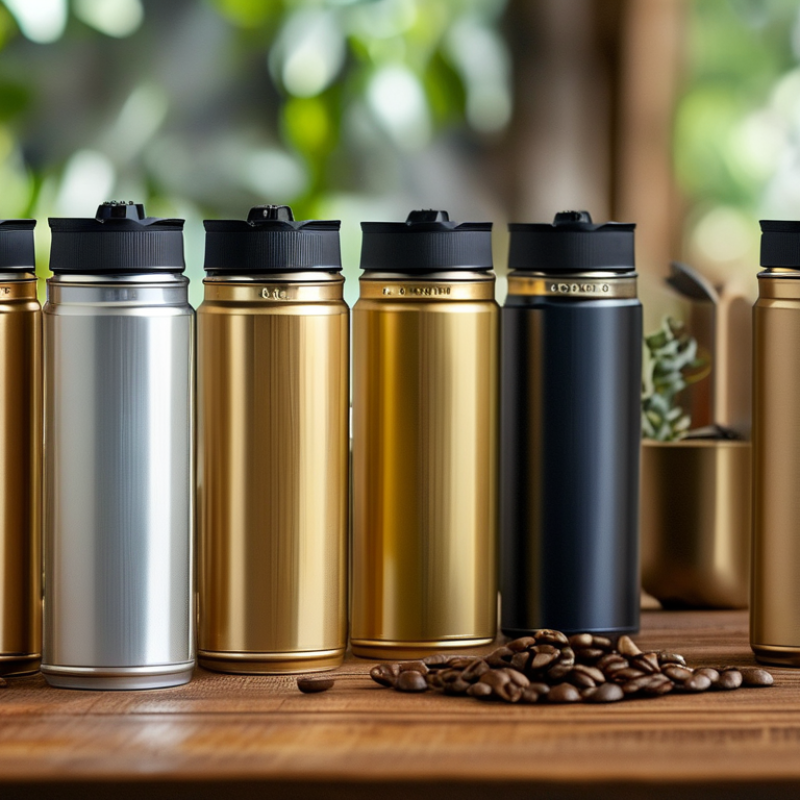
When selecting aluminum coffee cans in 2023, several factors are essential for a quality choice.
First, consider the thickness of the aluminum. Thicker cans provide better protection against external elements, ensuring that the coffee remains fresh for a longer period.
A thinner material might seem cost-effective, but it could compromise the integrity of the coffee's flavor profile.
Next, evaluate the can's seal. A strong, reliable seal prevents air from entering, which is crucial for maintaining freshness.
Many buyers overlook this aspect, leading to stale coffee.
Additionally, look for cans that offer easy-open features. Practicality in daily use cannot be overstated.
A user-friendly design enhances the overall experience and convenience.
Lastly, consider the size options available. Larger cans might appeal to frequent coffee drinkers, while smaller sizes can cater to casual users.
Balance your needs with potential waste. Coffee freshness diminishes over time, so an oversized can may become a downside.
Reflecting on these details can guide you to a suitable aluminum coffee can tailored to your requirements in 2023.
Aluminum has become a favored choice for coffee packaging. Its properties make it stand out among other materials. First, aluminum provides an effective barrier against light, moisture, and oxygen. This protects the coffee’s flavor and aroma. Coffee suffers from exposure to these elements. Thus, proper packaging is crucial for maintaining quality.
Moreover, aluminum is lightweight yet durable. This makes transportation easier and more economical. Consumers appreciate this efficiency in a fast-paced world. However, it's worth noting that not all aluminum coffee cans are created equal. Some may lack the necessary lining to prevent flavor contamination. Buyers should be vigilant about this aspect. It's an area where manufacturers sometimes cut corners.
Recyclability is another appealing property of aluminum. Used cans can be recycled multiple times without degrading. This aligns with the growing demand for sustainable practices in the coffee industry. However, the recycling processes can vary greatly by region. Understanding local recycling capabilities is essential. This can determine the overall environmental impact of packaging choices.
The global market for aluminum coffee cans is witnessing significant growth. According to a report by Grand View Research, the aluminum packaging sector is projected to expand at a compound annual growth rate (CAGR) of 4.6% from 2021 to 2028. This reflects a rising preference for aluminum due to its lightweight and recyclable properties. Coffee brands are increasingly turning to this material to enhance sustainability initiatives.
Consumer awareness of environmental issues drives this demand. More buyers are opting for products that reduce their carbon footprint. Research indicates that aluminum cans recycled can save 95% of the energy required to produce new cans from raw materials. This data shows how using aluminum contributes to a circular economy, attracting eco-conscious consumers.
However, challenges persist within the market. Supply chain disruptions and rising raw material costs can impact production efficiency. Companies may find it difficult to balance sustainability goals and operational costs. As the market evolves, adapting to these challenges will be crucial for remaining competitive in aluminum coffee can production.
Aluminum cans have become the top choice for coffee packaging, especially in a world increasingly focused on sustainability. The recycling rates for aluminum far surpass those of other materials, such as plastic and glass. In fact, aluminum can be recycled indefinitely without losing quality. This attribute significantly reduces the environmental footprint of coffee consumption.
One key concern is that while recycling aluminum is efficient, challenges remain. Not all consumers have access to effective recycling programs. Many aluminum cans end up in landfills, where they take decades to decompose. Additionally, some markets still rely heavily on single-use plastics, which complicates progress towards a circular economy. The varying recycling rates across regions highlight the need for more awareness and better infrastructure.
Despite these challenges, the environmental benefits of recycling aluminum are evident. The process saves energy and reduces greenhouse gas emissions. Yet, there’s room for improvement. Advocacy for improved recycling practices and policies is essential to leverage aluminum's potential fully. Consumers must also engage more actively in recycling initiatives to ensure these benefits materialize. It's a collective responsibility to build a sustainable future.
When considering aluminum coffee cans, understanding the cost analysis is essential. The price trends fluctuate based on various factors. These include raw material costs, manufacturing processes, and market demand. Typically, recyclable materials lead to lower costs. However, sourcing high-quality aluminum may raise prices.
Tips for buyers include carefully evaluating suppliers. Always check for quality certifications. Prices often reflect the product's durability and performance. For large orders, negotiate prices. Bulk purchasing can lead to significant savings. Compare different suppliers to gauge the market rate.
Increasing awareness of sustainability affects aluminum can prices. Many brands emphasize eco-friendliness, impacting their final pricing. Buyers should be mindful that premium prices may come with benefits like better insulation and longer shelf life. Be prepared for shifts in the market, as global events can disrupt supply chains. Recognizing these changes can help you make informed buying decisions.
: Thicker aluminum offers better protection, keeping coffee fresh longer. Thin cans may compromise flavor quality.
A reliable seal stops air from entering. Many overlook this, leading to stale coffee and a poor experience.
Look for easy-open designs and sturdy seals. Practicality enhances daily usage and overall convenience.
Larger cans suit frequent drinkers. However, they can lead to waste if coffee goes stale before consumption.
Aluminum recycling rates are higher than plastic or glass. It can be recycled indefinitely without quality loss.
Not all consumers can access recycling programs. Many cans still end up in landfills, causing environmental issues.
Increased awareness and participation in recycling initiatives are essential for maximizing aluminum's environmental benefits.
Consider thickness, seal reliability, and can size. Balancing convenience and sustainability is crucial for quality choices.
Improved recycling supports aluminum's potential benefits. Collective responsibility fosters a sustainable future for coffee consumption.
Aluminum has a lower footprint due to high recycling rates. Yet, there’s a need for improved infrastructure and consumer engagement.
In 2023, the selection of Aluminum Coffee Can options is greatly influenced by various factors that buyers must consider. Key aspects include the material properties of aluminum, which make it an ideal choice for coffee packaging due to its lightweight nature and excellent barrier qualities that preserve freshness. The global market trends indicate a strong demand for aluminum coffee cans, as more consumers and businesses recognize their advantages.
Additionally, the environmental impact of aluminum cannot be overlooked, as it boasts high recycling rates compared to other materials, making it a sustainable choice. Finally, a cost analysis reveals the price trends of aluminum coffee cans, providing buyers with insights into their investment for quality packaging. Overall, the combination of functionality, sustainability, and market demand positions the Aluminum Coffee Can as a leading option for global buyers.

Sunrise Cans