As global interest in sustainable packaging continues to rise, the demand for Aluminum Bottles is set to surge in 2026. According to a recent market analysis by Smith & Co., the global aluminum bottle market is expected to grow by 7.5% annually, driven by eco-conscious consumers and regulatory support for recyclable materials. Esteemed industry expert, Dr. Jane Foster, emphasizes, "Aluminum Bottles offer a lightweight, durable solution that minimizes environmental impact."
This growth trend reflects a significant shift among brands prioritizing sustainability. Many companies are transitioning from plastic to aluminum as consumers seek greener alternatives. The aluminum bottle's recyclability contributes to a closed-loop system, fostering ocean health and reducing landfill strain. However, the industry faces challenges. Sourcing materials sustainably remains a critical concern. Innovative solutions are required to ensure ethical aluminum production without compromising environmental integrity.
As we look to 2026, the Aluminum Bottles market will require nimble adaptation to match shifting consumer preferences. Companies must be prepared to face both opportunities and challenges head-on. By investing in sustainable practices and transparent sourcing, they will pave the way for a more responsible future in packaging.
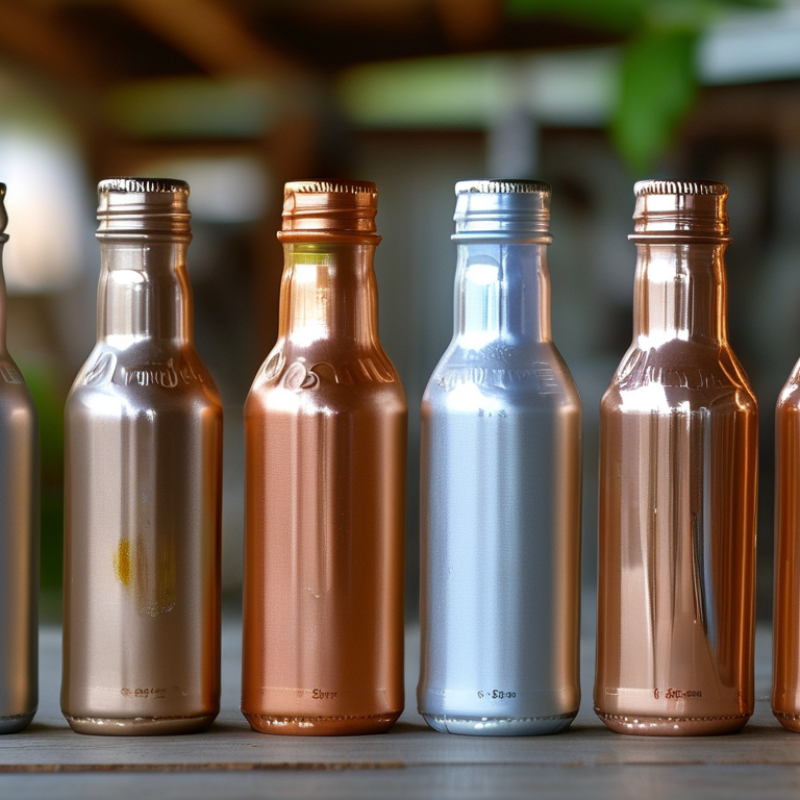
The aluminum bottle market is evolving rapidly. In 2026, it is expected to reach a valuation of approximately $6 billion. This growth is driven by rising consumer demand for sustainable packaging. Aluminum bottles are lightweight and recyclable, making them a popular choice among eco-conscious buyers.
Recent studies show that the global aluminum bottle market could grow at a compound annual growth rate (CAGR) of 4.5% from 2021 to 2026. This trend aligns with the increasing adoption of environmentally friendly materials in packaging. Companies are under pressure to reduce their carbon footprint, which has led to more investments in aluminum bottle production.
One notable observation is the shift in consumer preference toward aesthetics. Many buyers are looking for innovative designs in aluminum bottles. Yet, some challenges exist. The cost of recycled aluminum can be volatile. This may affect pricing strategies for manufacturers. Balancing cost with sustainability remains a complex issue in the industry. There's a need for continual adaptation and refinement in approach.
: Aluminum bottles are popular due to their sustainable packaging benefits. They are highly recyclable, reducing resource use.
About 75% of aluminum is recycled. This significantly lowers the need for new raw materials.
Consumers prioritize sustainability and seek eco-friendly packaging to combat plastic waste.
Yes, production costs can be higher than plastic. This may lead to increased retail prices.
Shoppers prefer bottles that are stylish, leak-proof, and lightweight. Functionality greatly impacts purchase decisions.
No, many brands fall short. Some continue to use non-recyclable materials, which is a concern.
Aluminum bottles preserve product quality well. Their airtight seals keep contents fresh and extend shelf life.
The global market for aluminum bottles is expected to grow over 6% annually.
Creative designs attract consumers. Attractive bottles enhance the overall drinking experience.
Consumers should stay informed about brands' sustainability claims. Informed choices can drive positive change.
In 2026, the global market for aluminum bottles is poised for significant growth, driven by increasing consumer demand for sustainable packaging solutions. An overview of the aluminum bottle market trends highlights a shift towards eco-friendly alternatives, as businesses and consumers alike recognize the environmental benefits of aluminum over traditional plastic materials. Key manufacturers in China are positioning themselves to capture substantial market shares by innovating product designs and enhancing production efficiency.
Comparative analysis of aluminum versus other bottle materials underscores aluminum's superiority in recyclability and sustainability, resonating with the growing consumer preference for green packaging options. Demand drivers such as health-conscious choices and convenience continue to bolster the popularity of aluminum bottles, establishing them as a preferred packaging solution in various sectors. As the market evolves, aluminum bottles are set to redefine the packaging landscape, appealing to environmentally aware consumers around the globe.

 Sunrise Cans