As we look ahead to 2026, the world of beer is evolving rapidly. One key trend emerging is the popularity of Beer Slim Cans. These sleek containers not only appeal to consumers but also contribute to sustainable packaging efforts. With their lightweight design, they are convenient for both drinking and transportation.
Beer Slim Cans provide a fresh option for craft and mainstream brewers. They cater to health-conscious consumers who prefer lower-calorie choices. As this market expands, we see more breweries embracing this format. Innovative flavors and styles will likely follow, further enhancing consumer interest.
Yet, challenges remain. Not all breweries have the capacity to switch to slim cans. Some might hesitate due to costs or production logistics. Understanding consumer preferences is crucial for success. How well can brewers adapt? The answer could shape the future of Beer Slim Cans and their place in the beer industry.
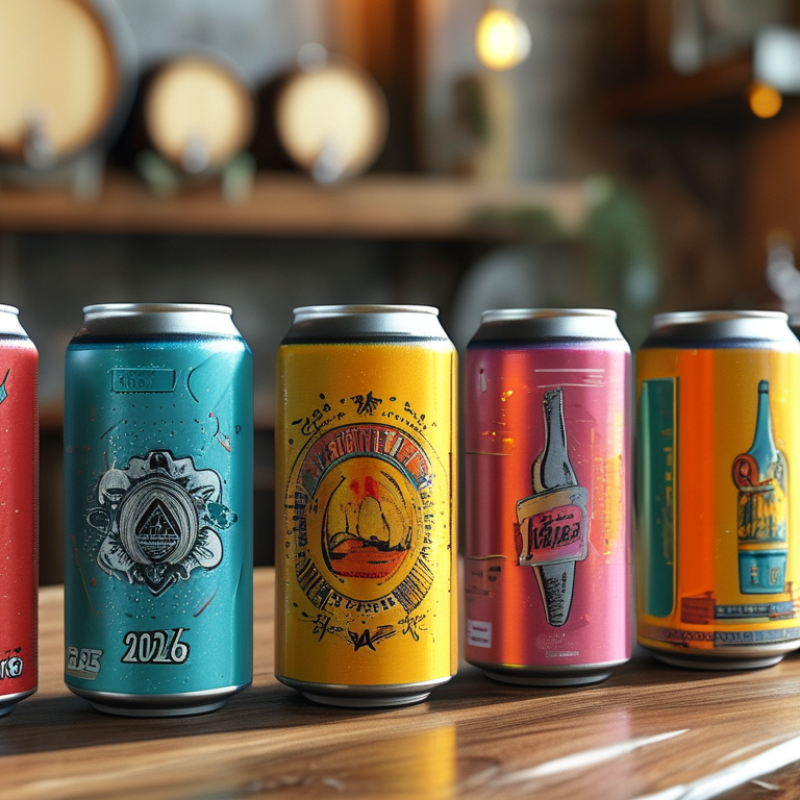
The beer industry is evolving rapidly, and innovative designs in slim cans are likely to shape the market by 2026. Research shows that slim cans have gained popularity among health-conscious consumers. A recent report indicates that sales of slim cans have increased by 25% in the past two years. This trend highlights the shift towards more portable and lighter packaging.
Emerging designs are not just about aesthetics. They also address sustainability. Many companies are exploring eco-friendly materials to lower their carbon footprints. In fact, a survey found that 70% of consumers prefer brands that prioritize environmental responsibility. Yet, while innovation is impressive, not all designs are practical. Some may sacrifice functionality for style, leading to consumer dissatisfaction.
Moreover, the challenge remains in balancing these new designs with traditional branding elements. Brands must consider how innovative looks can retain existing customers. Consumers appreciate novelty, yet they also find comfort in familiarity. The upcoming years will demand a careful dance between bold new ideas and established brand identity. The success of these slim cans will depend on meeting both consumer expectations and environmental needs.
The beer industry is experiencing a significant shift towards sustainability, particularly in packaging. As consumers become more environmentally conscious, brands are prioritizing eco-friendly materials for slim cans. This trend reflects a growing recognition of the need to reduce waste and carbon footprints. Using materials like recycled aluminum and plant-based inks not only benefits the planet but also appeals to a wider audience.
One tip for brands is to invest in research on biodegradable options for can labels and seals. This could lead to innovative solutions that enhance sustainability without compromising aesthetics. Additionally, collaborating with suppliers who prioritize sustainable practices can streamline the production process and enhance the overall eco-friendliness of the product.
Sustainability in packaging also requires continuous evaluation. Brands need to analyze their supply chains to identify areas for improvement. This may include reconsidering the types of transportation used or finding local suppliers to reduce emissions. Being open to feedback and committed to change are essential steps in this journey towards a greener future for beer packaging.
As health-conscious trends continue to shape consumer preferences, slim can beers are becoming increasingly popular. Many drinkers are seeking lighter options that align with their wellness goals. This shift means breweries are likely to innovate recipes that reduce calories and enhance flavor.
Ingredient transparency is more important than ever. Consumers want to know what they are drinking. Brands that proudly share nutritional information will build trust. Craft breweries may experiment with refreshing flavors, from fruity infusions to herbal notes, appealing to both taste and health.
Tips for choosing slim can beers: Look for those with natural ingredients. Check for lower calorie counts and fewer sugars. Always read labels to ensure quality. Remember, moderation is key. Enjoying beer mindfully promotes a balanced lifestyle. Keep an eye on evolving trends to stay ahead in the market.
Craft beer has surged in popularity, captivating consumers with its unique flavors and artisanal production. This rise has significantly influenced the slim can market. Slim cans offer a stylish alternative, appealing to those who enjoy craft beverages. They are lightweight and fit easily into bags, making them perfect for social occasions.
As consumers prioritize convenience and experience, the design of slim cans is evolving. More breweries are embracing eye-catching designs to stand out. However, the challenge lies in balancing aesthetics with sustainability. The beer industry is exploring eco-friendly packaging options. Consumers are becoming more environmentally conscious, demanding better from brands.
Despite the surge in craft beer's popularity, some challenges remain. Not all regions have the same access to craft breweries, creating disparities. While the slim can trend grows, it also raises questions about uniformity in quality. Some fear that high demand could compromise traditional brewing methods. The evolution of slim cans reflects wider shifts, but it also calls for critical thinking about consumer habits and industry standards.
The popularity of craft beer is significantly influencing the slim can market. The data below illustrates the projected growth in sales of craft beer slim cans over the next few years.
The rise of slim cans in the beer industry is largely driven by technological advances. Production processes have become more sophisticated, allowing breweries to create lighter, more sustainable packaging. These innovations include automated canning lines that enhance precision. Enhanced control over can weight and shape ensures consistency.
Sustainability is at the forefront. New machinery often greatly reduces waste during production. Additionally, many of these systems integrate more efficient recycling processes. This shift not only benefits the environment but also resonates with eco-conscious consumers. They appreciate brands that prioritize both quality and sustainability.
Despite the advancements, challenges remain. Some breweries struggle with the initial investment for new technology. Smaller companies may find it harder to keep pace. Limited access to funds sometimes hinders updates to outdated equipment. This disparity can create a competitive gap in the market. As technologies evolve, continuous reflection and adaptation will be essential for all players in the beer packaging space.
: Health-conscious consumers prefer portable and lighter packaging. Sales have increased by 25% recently.
Many companies use eco-friendly materials to reduce their environmental impact. Consumer preference for these brands is significant.
More consumers want to know what they drink. Brands sharing nutritional details can build trust and loyalty.
Look for natural ingredients, lower calorie counts, and read labels carefully. Moderation is important for a balanced lifestyle.
Craft beer's unique flavors attract consumers. Slim cans provide a stylish, convenient packaging alternative for craft beverages.
Brands must balance innovative designs with traditional branding. Some new concepts may not be practical, leading to consumer disappointment.
Not all areas have equal access to craft breweries, creating disparities in availability. This raises concerns about quality consistency.
Consumers enjoy novelty but also seek comfort in familiar branding. Finding balance is crucial for brand success.
As trends change, consumers should reflect on their choices. Mindful drinking promotes a healthier lifestyle amidst evolving preferences.
Eye-catching designs help brands stand out in a crowded market. However, the challenge lies in maintaining sustainability.
The beer industry is witnessing noteworthy trends concerning Beer Slim Cans as we approach 2026. Innovative designs are emerging, making these cans not only appealing but also functional. Alongside aesthetic advancements, there is a marked shift towards sustainable materials and eco-friendly practices in packaging, responding to consumer demand for environmentally responsible products.
Health-conscious trends are also influencing beverage choices, leading to an increase in the popularity of slim cans for lighter, lower-calorie options. Furthermore, the craft beer movement continues to gain traction, significantly shaping the slim can market by broadening the variety of offerings available. Lastly, technological advances are enhancing the production processes of Beer Slim Cans, ensuring they meet evolving consumer preferences while maintaining quality and efficiency.

Sunrise Cans