Explore our top-performing, infinitely recyclable aluminum and tinplate packaging solutions designed for global FMCG giants.
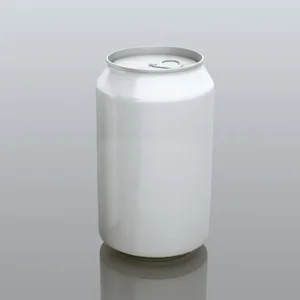
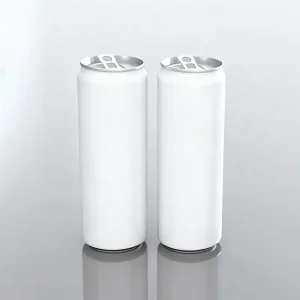
The global consumer packaged goods (FMCG) ecosystem is undergoing its most significant structural evolution since the introduction of plastics. Driven by stringent international carbon neutrality mandates, legislative plastic taxes, and an unprecedented shift in consumer consciousness, packaging is no longer viewed as a static container. Instead, it is analyzed as a dynamic factor in a brand's carbon equation and overall Scope 3 emission score. Within this framework, eco-friendly metal packaging—specifically aluminum cans, aluminum bottles, and tinplate three-piece structures—stands out as the primary solution for achieving a true circular economy.
Statistically, the packaging industry accounts for a substantial percentage of global industrial emissions when single-use plastics are favored. However, metal packaging offers an unmatched environmental advantage: infinite recyclability. Unlike plastics, which degrade in quality during mechanical recycling (often leading to downcycling into low-grade polymers), aluminum and steel maintain their structural integrity, atomic purity, and barrier properties forever. In fact, approximately 75% of all aluminum ever produced remains in active commercial circulation today.
Globally, the transition to eco-friendly options has moved beyond voluntary corporate social responsibility (CSR) initiatives. In regions such as the European Union (under the Packaging and Packaging Waste Regulation - PPWR) and North America, strict regulations are forcing brands to design for circularity. Manufacturers are focusing on reducing container weight and optimizing transport networks. By setting up manufacturing facilities close to consumer hubs, organizations can achieve a dramatic reduction in transport-related emissions. In the Asia-Pacific region, rapid urbanization and growing middle-class demand for functional beverages and high-end canned goods have positioned localized, large-scale metal packaging facilities as the backbone of sustainable FMCG growth.
Modern packaging technology is progressing along three main development tracks:
Founded in 1992 and listed on the Shenzhen Stock Exchange (Stock Code: 002752), Sunrise Group Co., Ltd. has established itself as a leading force in the global metal packaging industry. Combining metal packaging manufacturing, high-speed beverage filling, digital prepress, collaborative marketing, and industrial supply chain solutions, Sunrise operates 31 state-of-the-art production bases across 28 cities in China and Southeast Asia (including Cambodia, Indonesia, and Vietnam).
By integrating manufacturing facilities and beverage co-packing networks close to key consumption centers, Sunrise Group minimizes logistics distances, offering an integrated approach to low-carbon FMCG supply chains.
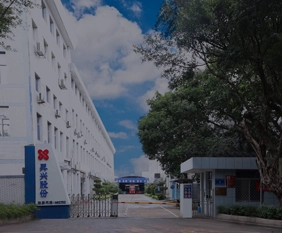
From raw material selection to automated decoration, precision filling, and efficient logistics.
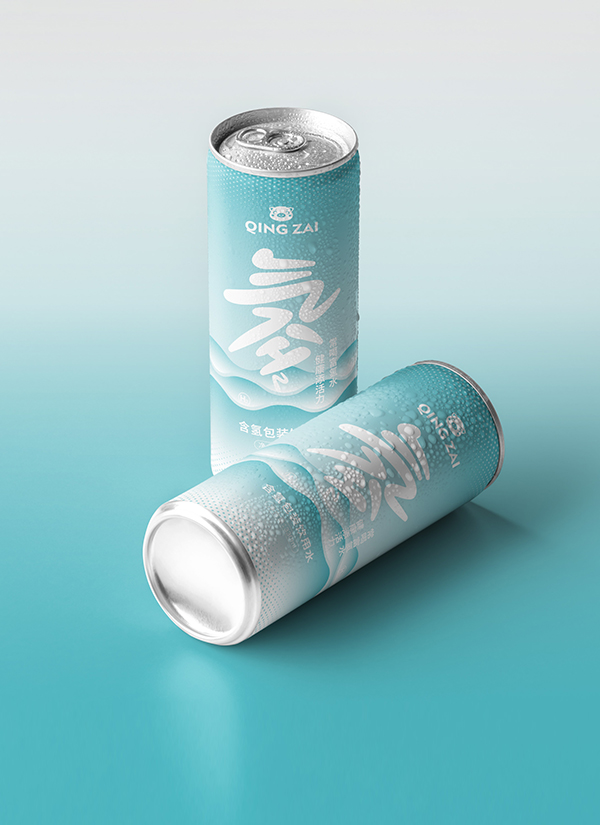
Advanced hot-fill, cold aseptic fill, and carbonated filling systems, co-located near manufacturing hubs to eliminate extra transport steps.
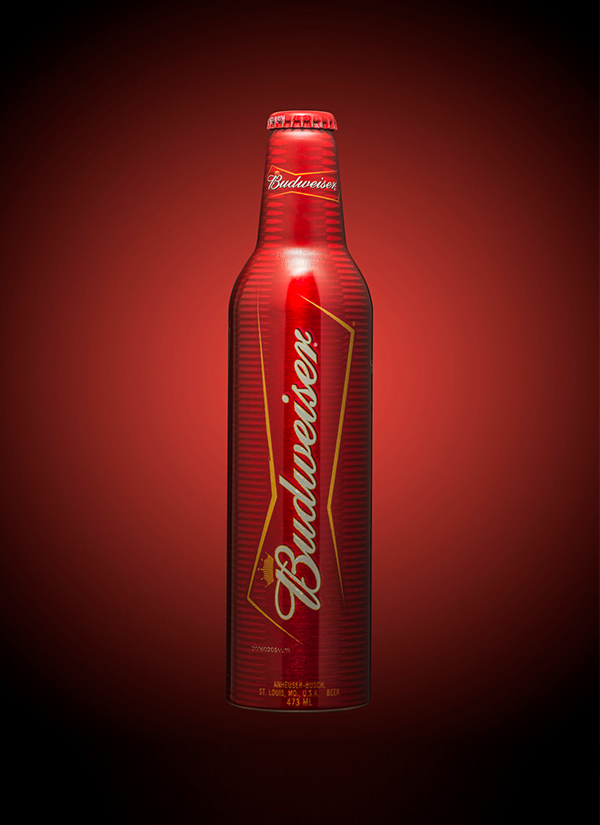
High-resolution offset lithography that delivers vivid, photo-realistic imagery directly onto tinplate and aluminum, reducing waste.
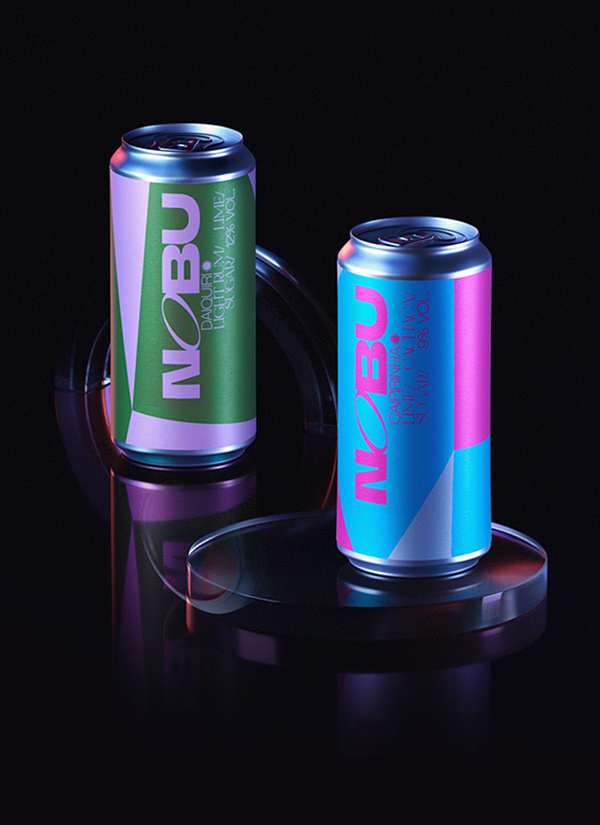
Perfect for low-MOQ campaigns and flexible customization, reducing setups, water usage, and physical materials.
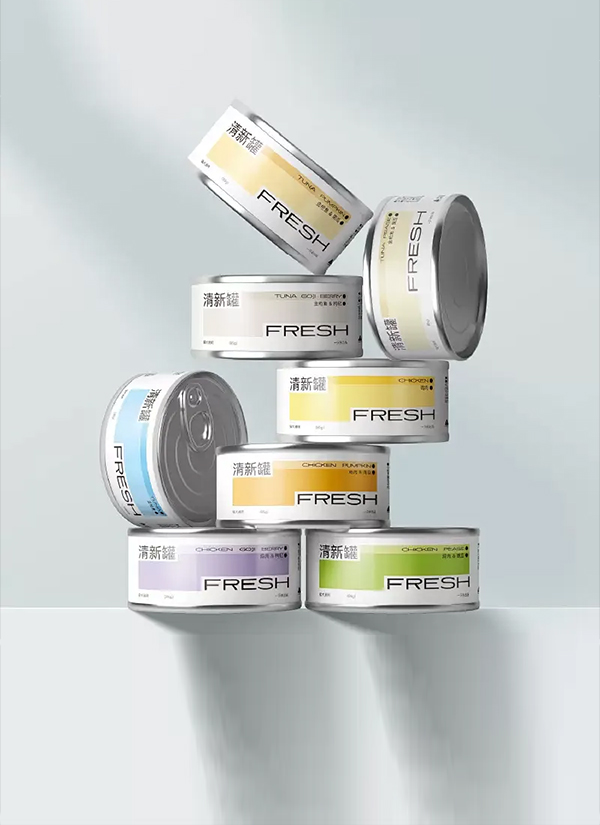
End-to-end design consultations, structural optimization, supply chain coordination, and regulatory compliance assistance.
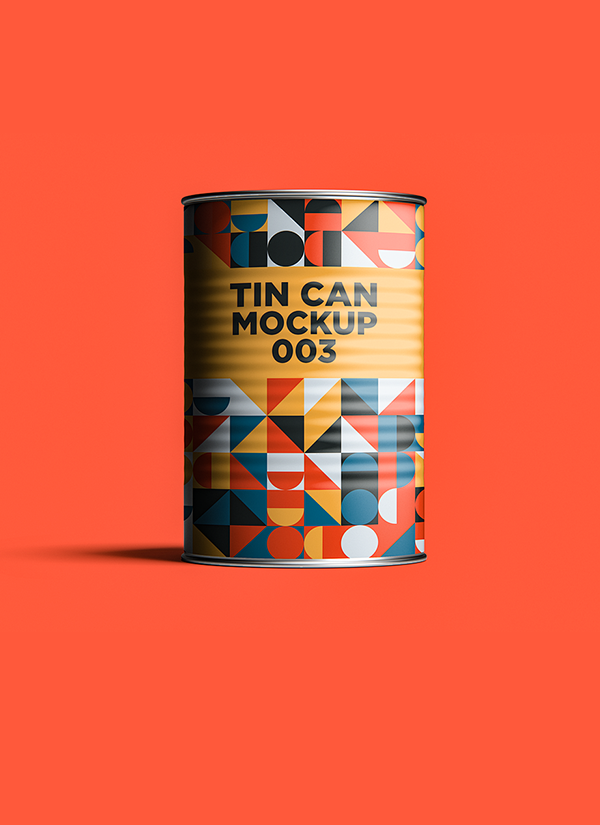
State-of-the-art production lines for two-piece and three-piece cans, built using world-renowned equipment for high durability.
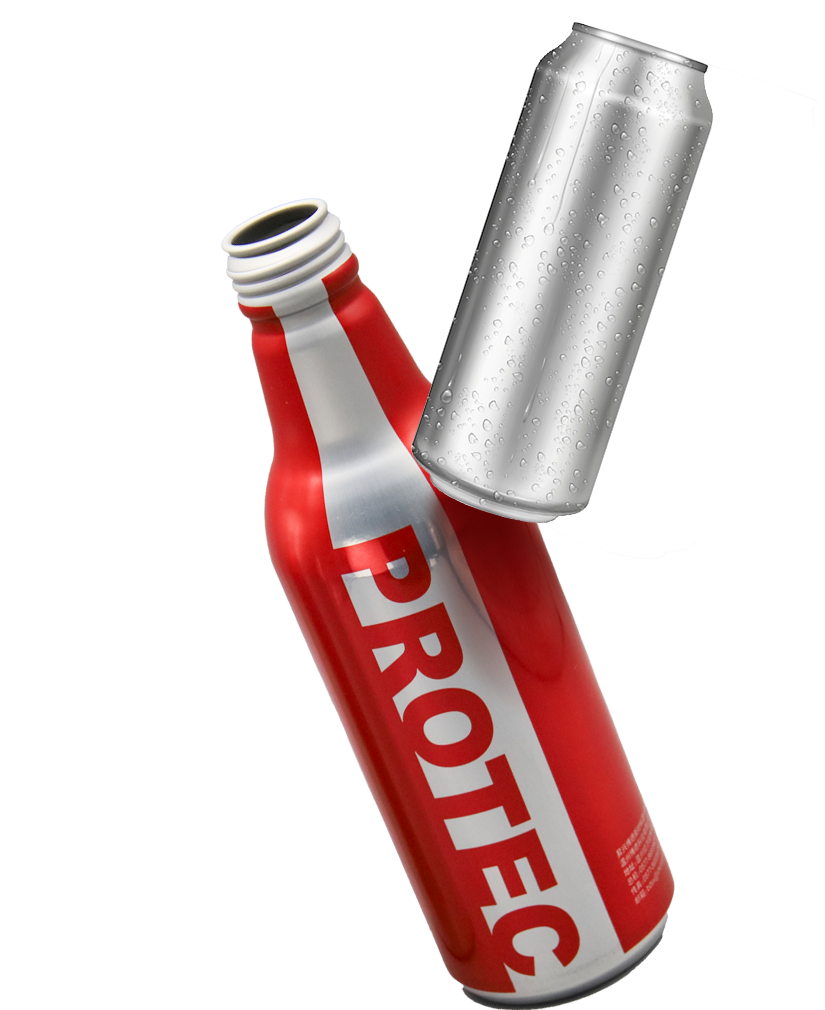
Pioneering the next generation of lightweight, BPA-NI (BPA Non-Intent) internally lined cans and recycled-content alloys to meet the strictest environmental and safety regulations globally.
Engineered for durability, safety, and 100% recycling capability.
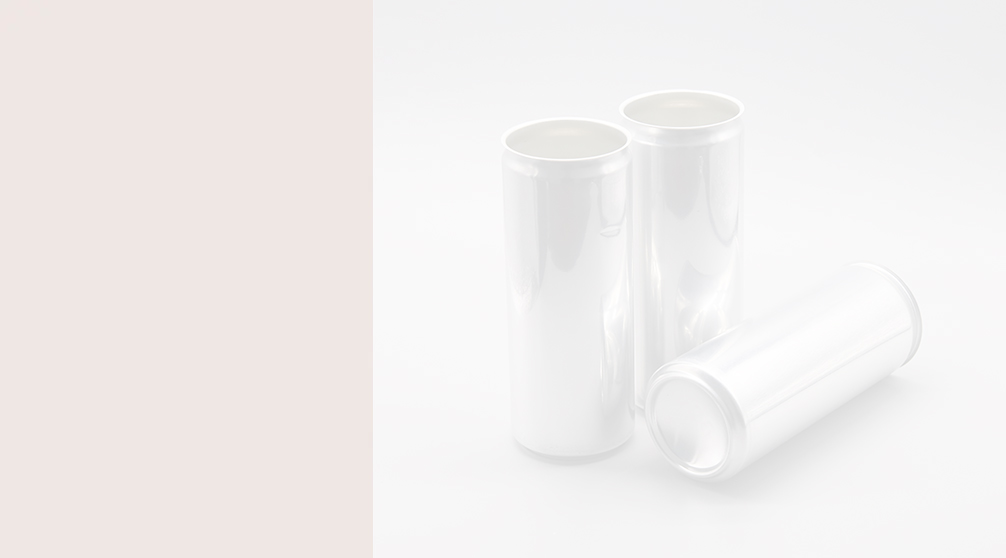
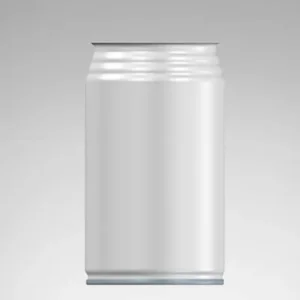
Beer & Carbonated Soft Drink (CSD) Cans
Features seamless bodies drawn from high-grade aluminum. Offers excellent carbonation containment, rapid chilling, and high recycling values.
DISCOVER MORE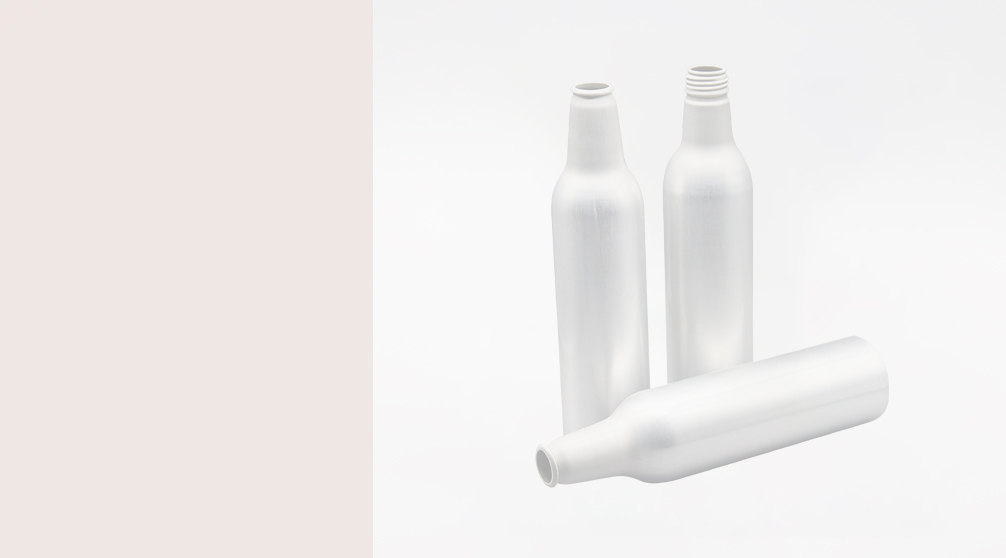
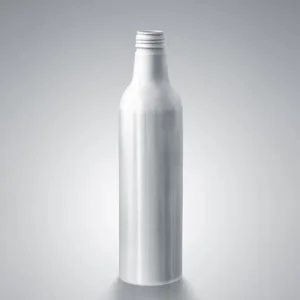
Re-sealable Premium Beverage Containers
Combines the lightweight and premium feel of aluminum with re-sealable screw closures. Widely used for premium water, energy drinks, and craft beers.
DISCOVER MORE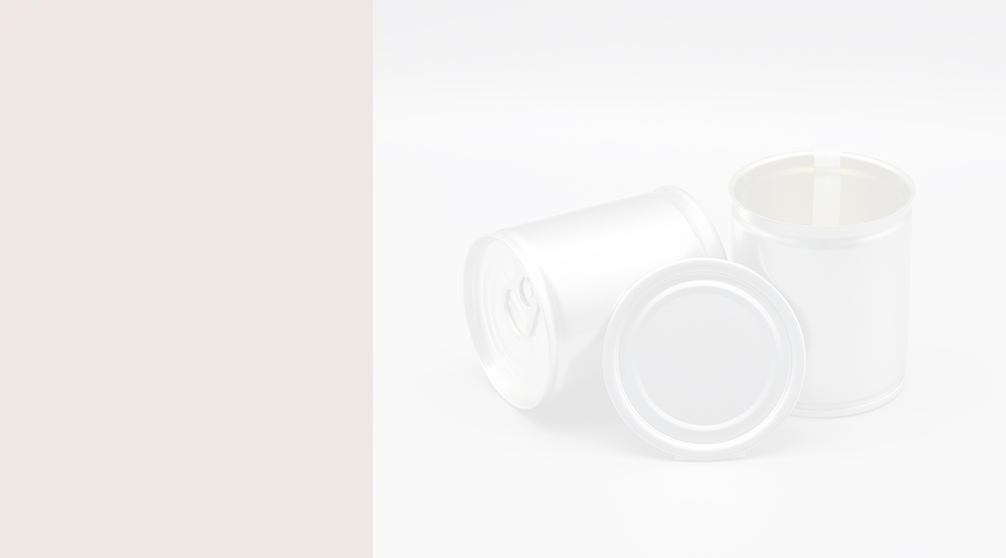
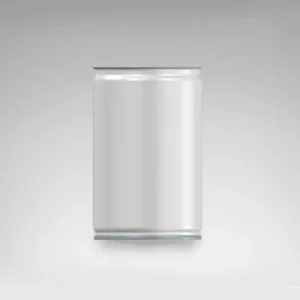
High-Strength Food & Beverage Cans
Welded tinplate containers designed for food preserves, dairy products, protein drinks, and dry powders. Offers excellent puncture resistance and high-temperature processing.
DISCOVER MOREA primary challenge for global brands adopting eco-friendly packaging is navigating regional differences in regulations, supply chains, and consumer habits. Sunrise Group addresses this by establishing manufacturing networks across China and key markets in Southeast Asia (Cambodia, Indonesia, and Vietnam).
In hot and humid Southeast Asian climates, beverages face unique transport and shelf challenges. Sunrise Group uses advanced inner coatings that prevent acidity corrosion, preserving the taste and safety of functional energy drinks, tea beverages, and juices. By setting up physical manufacturing facilities locally in these countries, we help brands significantly lower lead times, bypass high shipping tariffs, and reduce transport-related emissions, supporting their ESG targets.
The roadmap for metal packaging is focused on carbon reduction. Over the next decade, Sunrise Group is prioritizing three key areas:
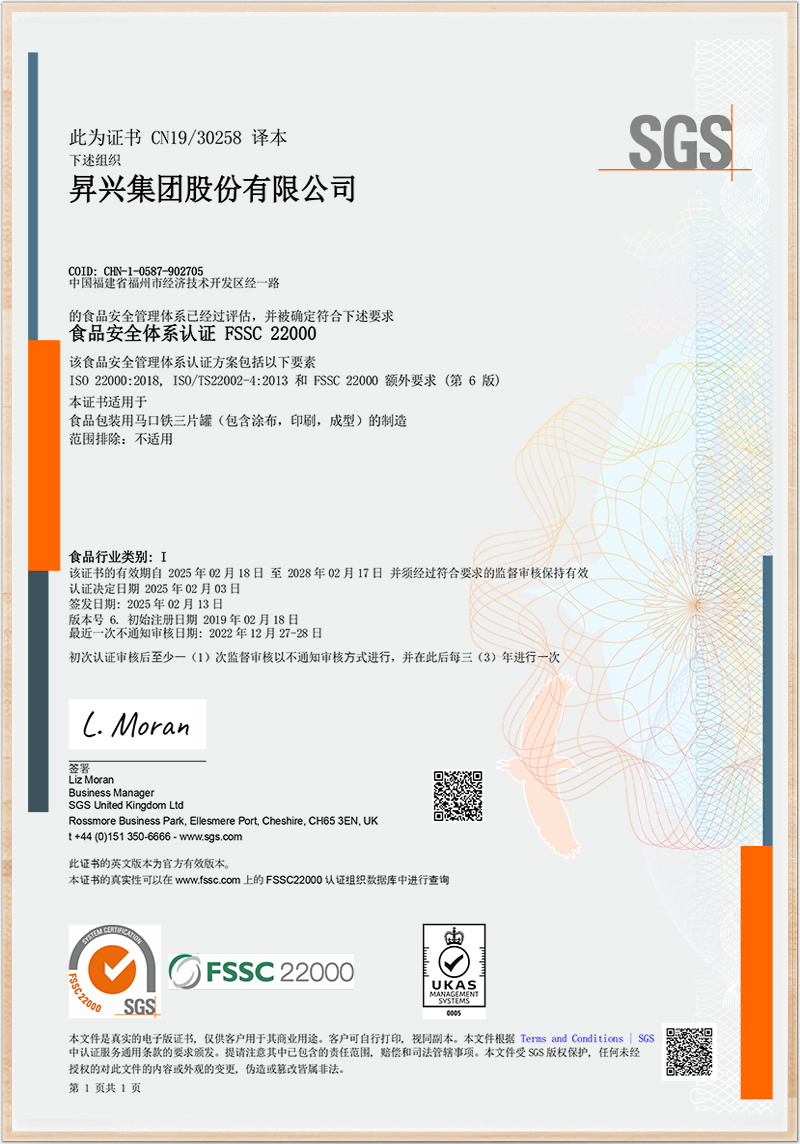
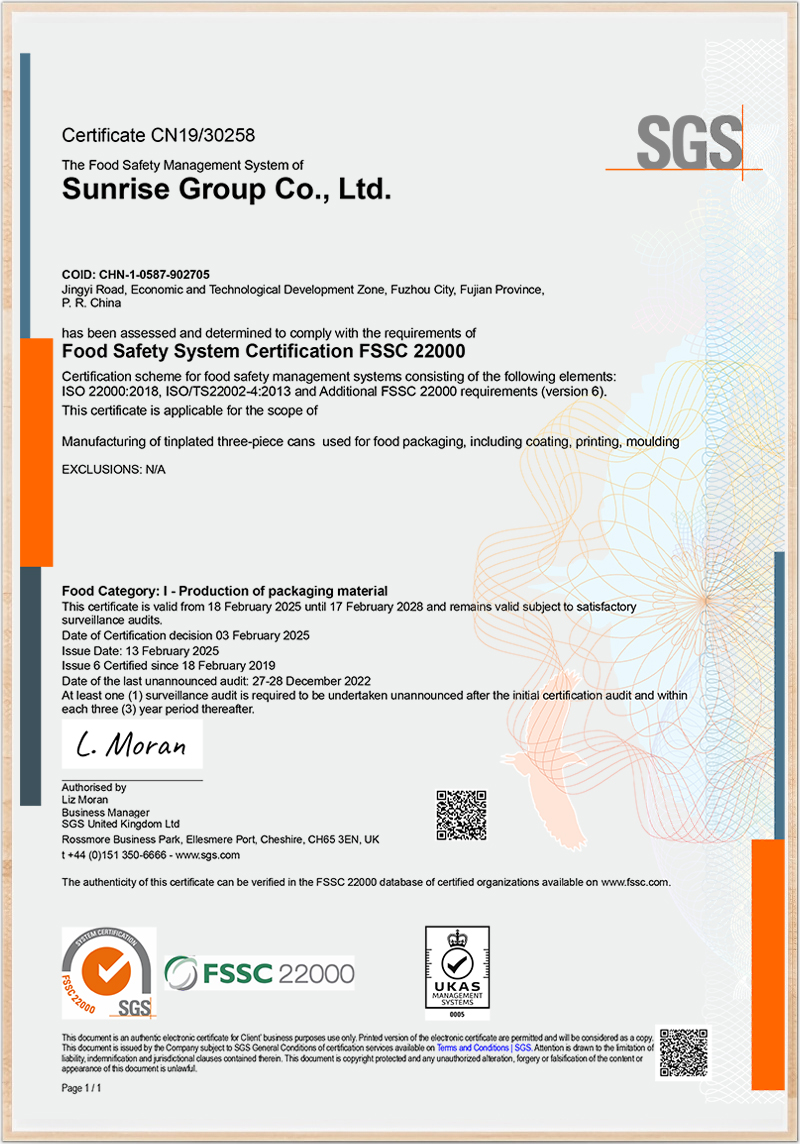
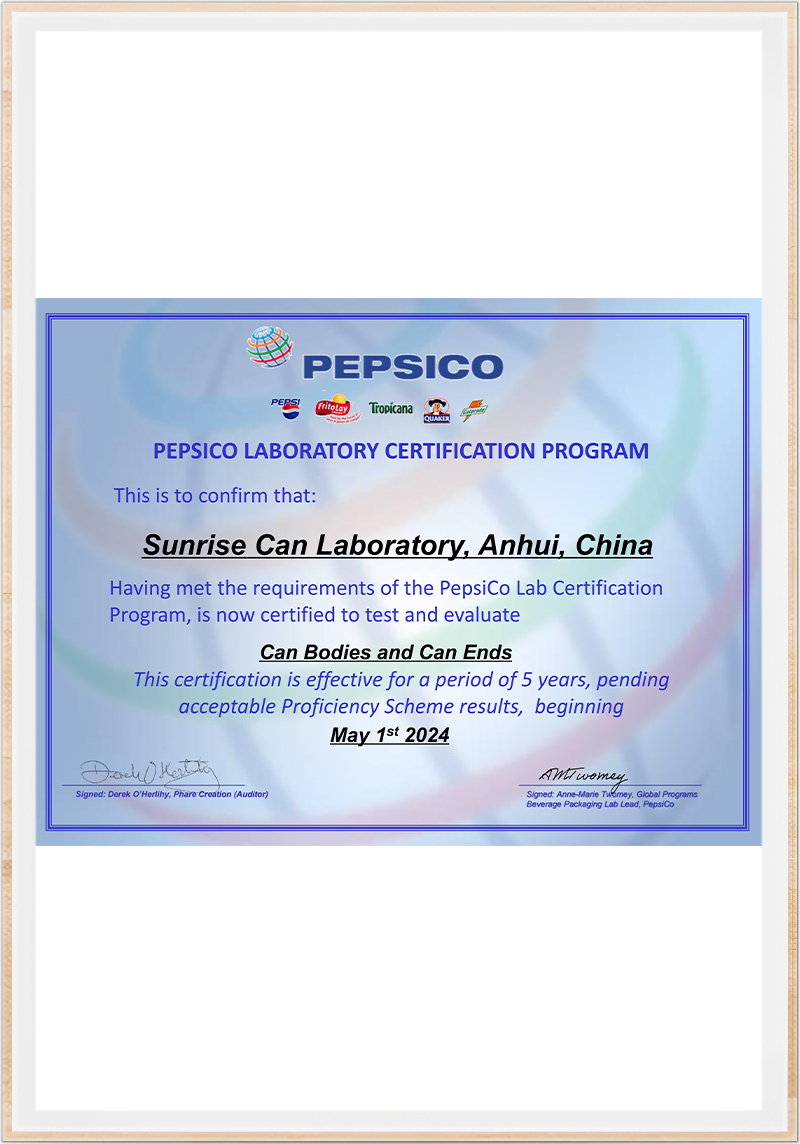
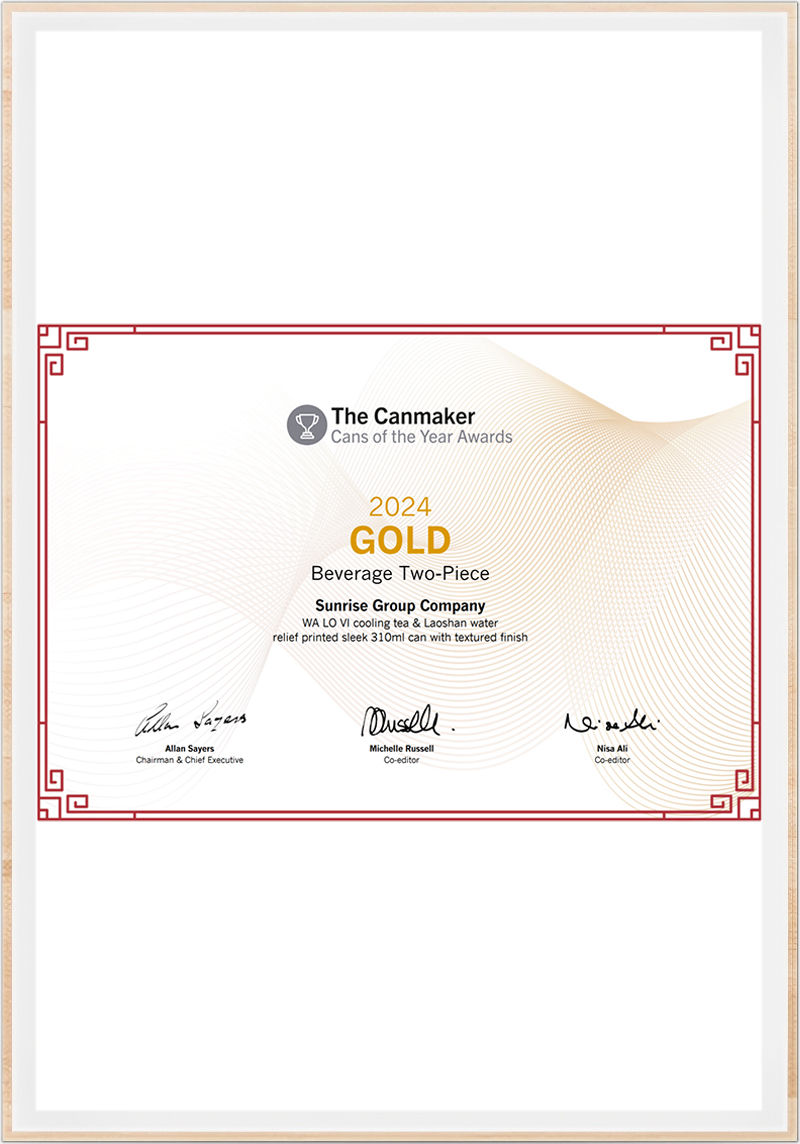
Our production bases operate under strict global quality, safety, and environmental systems.
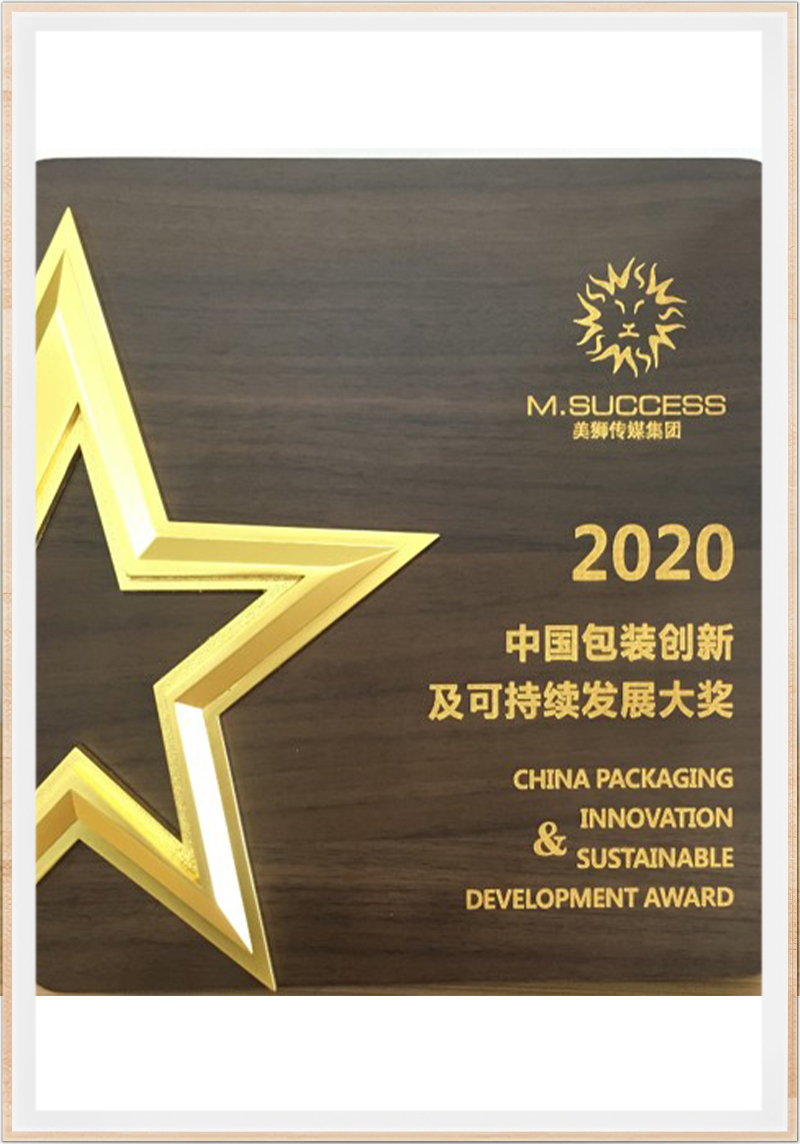
We manufacture our metal containers using machinery sourced from the industry's leading global engineering firms.
Our facilities feature advanced production technologies from Switzerland's Soudronic, Germany's KAMPF and Hinterkopf, the UK's Crabtree, Japan's Fuji, and the USA's STOLLE and BELVAC. This ensures high dimensional accuracy, uniform seams, and high-quality finishes.












Stay up to date with the latest technical updates, structural developments, and innovations in the packaging sector.
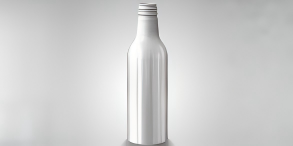
Discover why aluminum bottles are replacing glass and plastics across premium beverage categories. With high physical strength, total light shielding, and 100% recyclability, aluminum bottles provide excellent product shelf stability and transport efficiency.
An expert breakdown of the tinplate three-piece can, its welded side-seams, and its thermal performance. This structure remains a top choice for food preserves, nutritional formulas, and non-carbonated drinks.
Explore the manufacturing process behind the two-piece can, which is formed through draw-and-ironing (DI) steps. Highly favored for carbonated soft drinks, beer, and energy drinks, it offers seamless leak protection and minimal metal usage.
Answers to technical and commercial questions about Sunrise Group's sustainable manufacturing capabilities.
Compare our technical specifications and pick the container that aligns with your brand's green initiatives.
 Sunrise Cans