 Sunrise Cans

Industrial Glass & Metal Container Manufacturing
An Industry White Paper on Regulatory Standards, Localization Strategies, and China's Global Supply Chain Excellence
1. The Convergence of Metal Packaging and Glass Container Technologies
In the modern fast-moving consumer goods (FMCG) market, packaging is no longer just a vessel for containment; it is a critical instrument of shelf life preservation, product security, and brand identity. Sunrise Group, a pioneer in high-end metal and glass container manufacturing, has established advanced parameters for high-performance barrier packaging. While metal cans provide absolute UV protection and exceptional pressure resistance for carbonated beverages, glass jars offer chemical inertness, high thermal stability for pasteurization, and unmatched aesthetic luxury for preserves, sauces, spirits, and personal care formulations.
By leveraging both glass and metal container production, global corporations achieve a comprehensive packaging footprint. Standard soda-lime glass manufacturing involves melting high-purity silica sand, soda ash, and limestone at temperatures reaching 1,500°C. In parallel, metal cans utilize advanced tinplate steel sheets and lightweight aluminum alloys. Integrating the technical protocols of both disciplines enables Sunrise Group to support dual-channel beverage and food companies with a unified packaging portfolio that meets strict physical tolerances, dimensional integrity, and internal coating specifications.
2. China Factory Supply Chain Dominance & Global Logistics Control
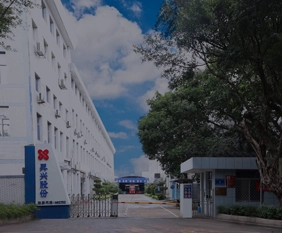
The global dominance of China’s glass and metal packaging factories is not merely a matter of low labor costs; it is driven by complex, integrated industrial ecosystems, massive economies of scale, and highly specialized domestic supply chains. Sunrise Group operates 31 production bases across 28 cities in China and Southeast Asia, demonstrating our capacity to manage large-scale operations. China’s packaging sector benefits from key competitive advantages:
- Raw Material Proximity: Direct integration with high-grade silica sand reserves, domestic soda ash refineries, and primary aluminum smelters reduces domestic freight costs and limits material price volatility.
- Industrial Cluster Efficiencies: Our headquarters in the Fuzhou Economic and Technological Development Zone, along with our other factories, sit inside advanced industrial clusters. These hubs host downstream chemical suppliers, mold fabricators, and specialized logistics providers that facilitate rapid prototyping and testing.
- Machinery and Capital Investment: We utilize advanced international equipment, including Swiss Soudronic welding lines, German KAMPF slitters, German Hinterkopf printing systems, UK Crabtree ovens, Japanese Fuji presses, and US STOLLE and BELVAC forming systems, to maintain high production speeds and minimal defect rates.
3. Localization Support, Anti-Dumping Navigations, and Regional Trade Compliance
For international procurement departments, managing cross-border trade barriers is just as critical as product quality. Glassware and metal packaging from China are frequently subject to targeted anti-dumping duties, countervailing investigations, and specific tariff schemes. Navigating these challenges requires strategic localized manufacturing capabilities.
By expanding our manufacturing footprint to Southeast Asian countries—specifically Cambodia, Indonesia, and Vietnam—Sunrise Group offers a resilient sourcing model. This regional diversification allows global brands to optimize their import strategies, leverage the Regional Comprehensive Economic Partnership (RCEP) framework, and minimize potential tariff exposure. Additionally, our regional facilities provide localized customer support, warehouse storage, and JIT (Just-in-Time) delivery cycles that align closely with local bottling and canning plants.
4. Global Enterprise Procurement Protocols & Regulatory Compliance
B2B packaging procurement at the enterprise level demands strict compliance with global food safety, environmental impact, and chemical migratability standards. Glass jars and metal cans intended for food-contact applications must comply with a range of international regulations:
- FDA (U.S. Food and Drug Administration): Materials must meet Title 21 CFR standards. Specifically, glass containers must be classified as GRAS (Generally Recognized as Safe), and metal coatings (epoxy-phenolic, organosol, or polyester linings) must not exceed strict chemical migration limits.
- EU Food Contact Regulations: Materials must comply with Regulation (EC) No 1935/2004 and Regulation (EU) No 10/2011, which govern the migration of bisphenols (BPA-NI / BPA Non-Intent coatings), heavy metals, and plasticizers.
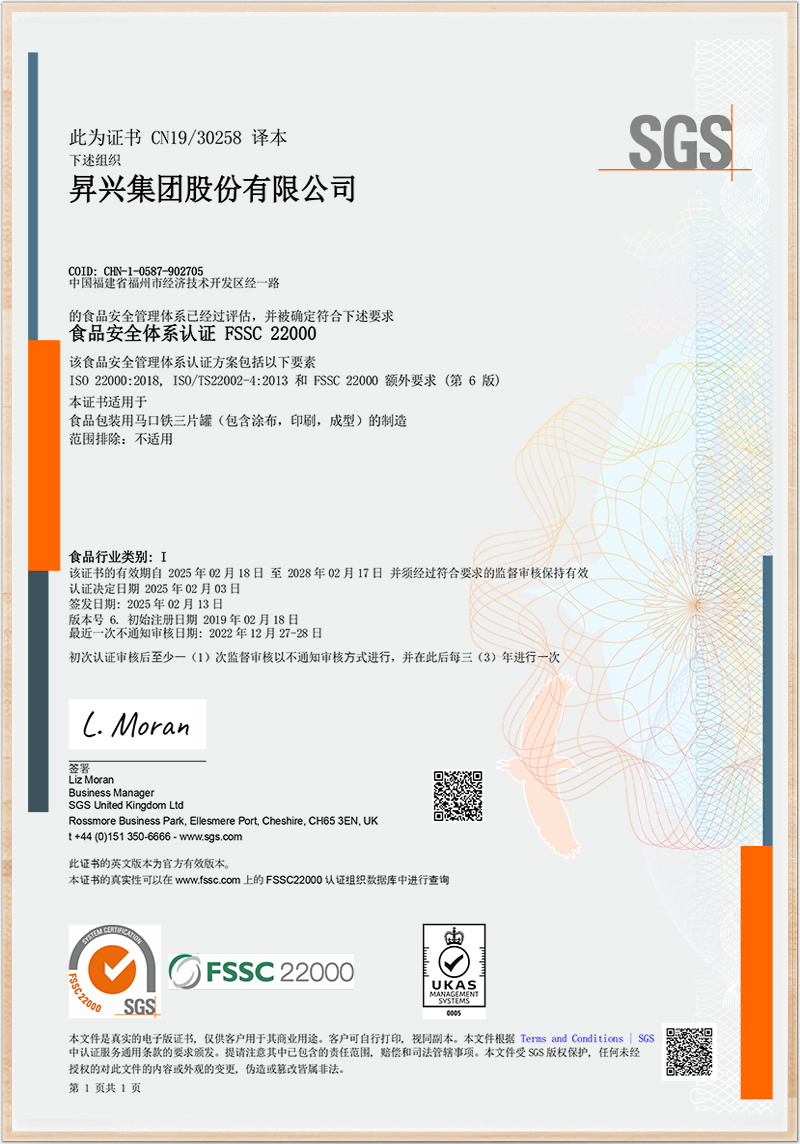
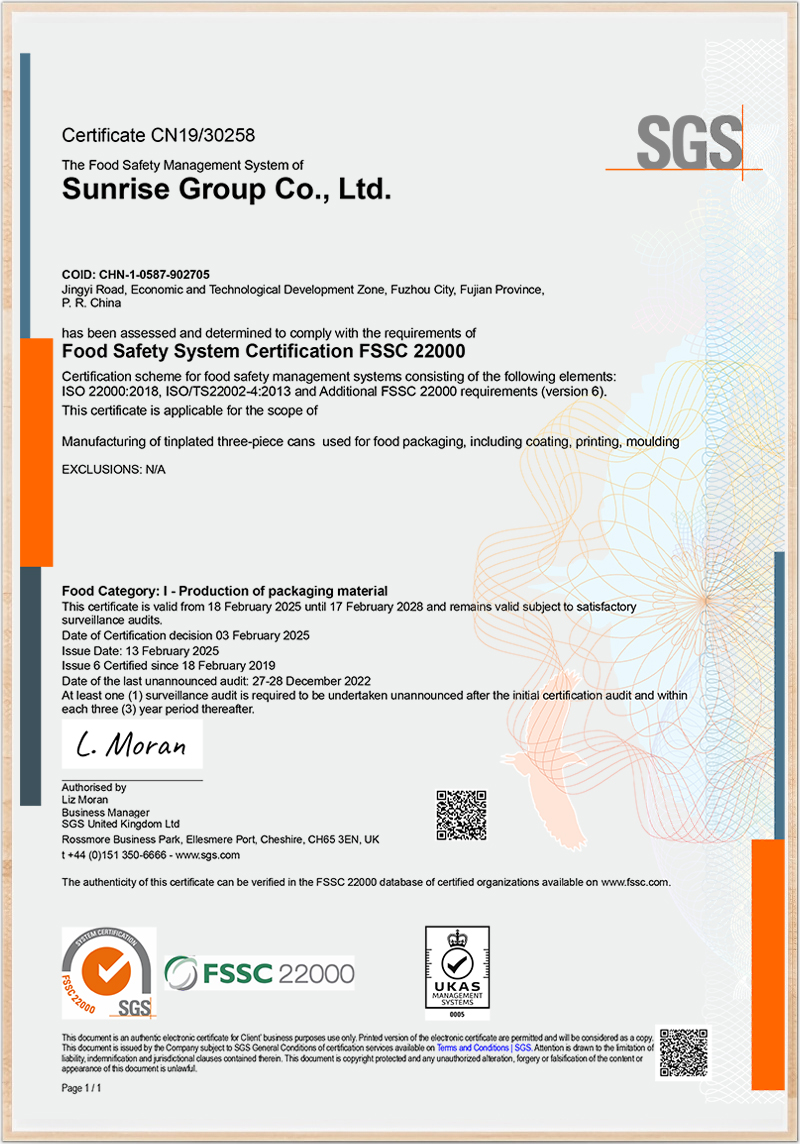
- Quality Systems: Our facilities are certified under FSSC 22000, ISO 9001, and ISO 22000 to verify that every stage of production—from raw sand melting to dry metal sheet printing—is protected against physical, chemical, and biological contamination.
- Occupational Health and Safety: We maintain ISO 14001 and ISO 45001 certifications to ensure sustainable environmental practices and safe manufacturing environments.
5. Localized Application Scenarios for Glass Jars & Advanced Metal Cans
Different product lines require targeted packaging designs to ensure product stability and visual appeal on the shelf. The physical demands of typical applications include:
- Premium Food Preserves & Condiments: Glass jars with vacuum-tight twist-off lids (with plastisol liners) are necessary to prevent oxygen entry, preserve volatile aromatic compounds, and withstand high-pressure retort sterilization.
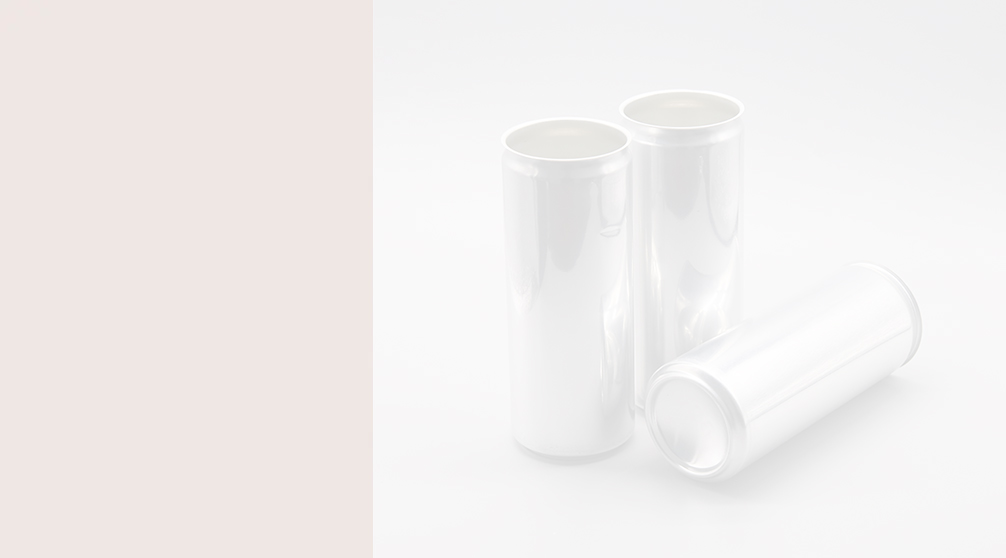
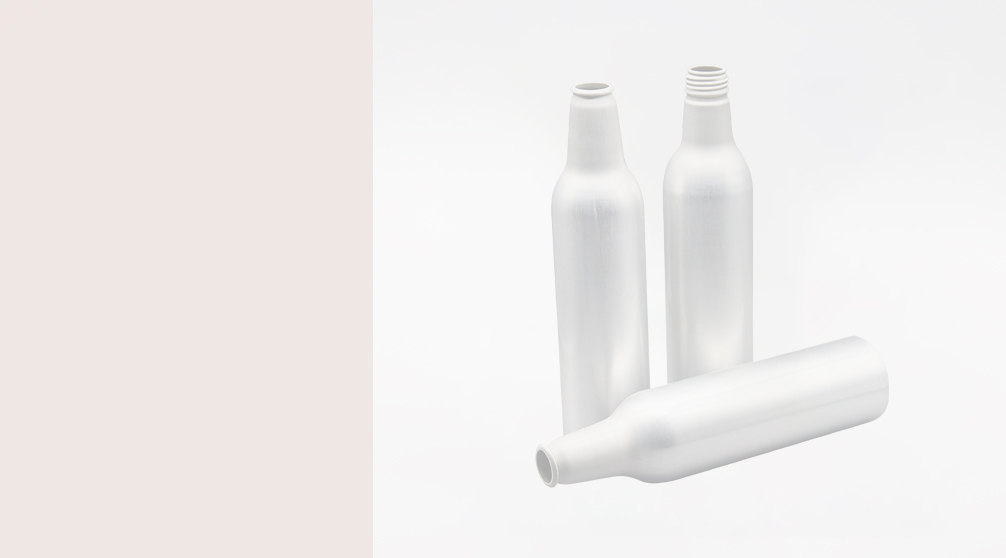
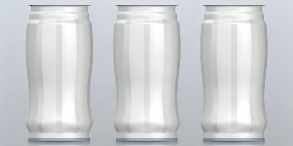
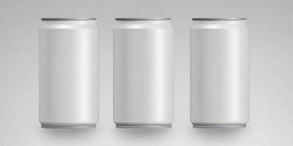
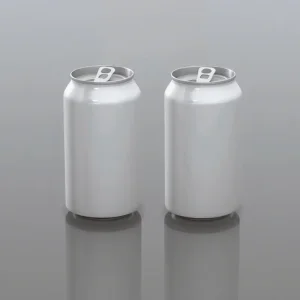
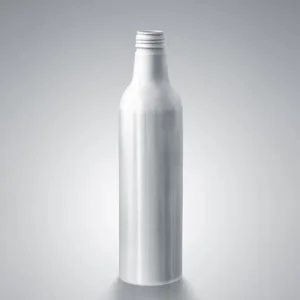
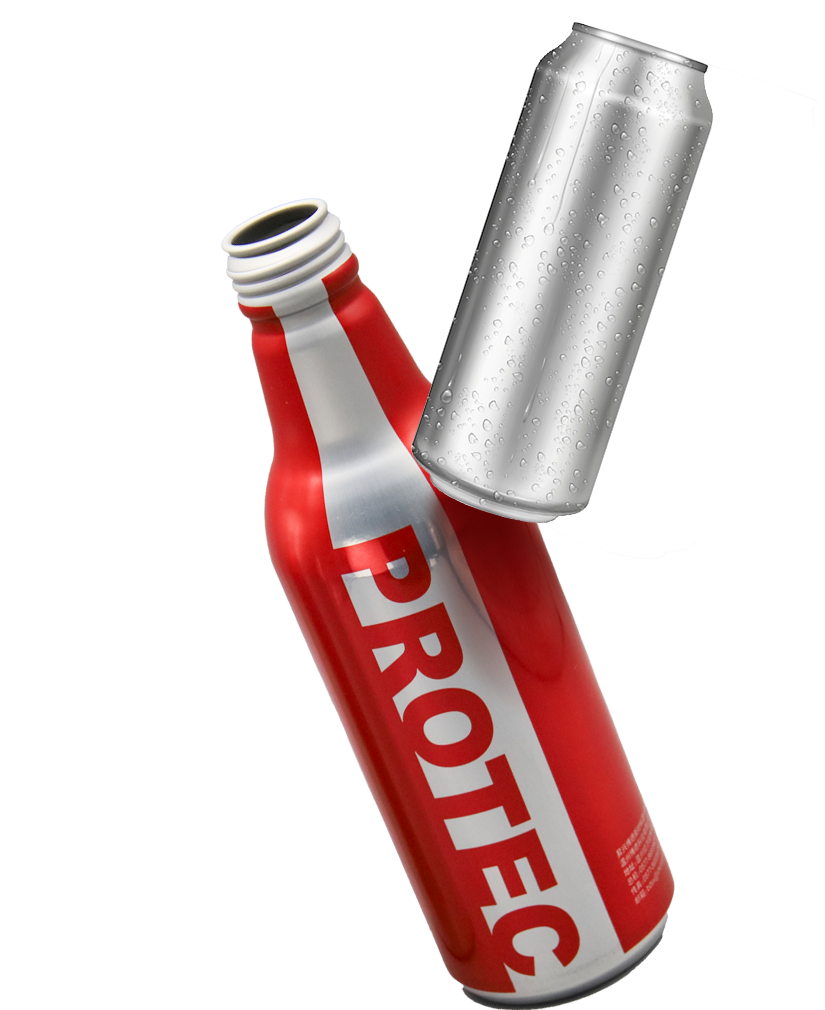
- Carbonated Beverages & Craft Beers: Two-piece aluminum cans and aluminum bottles with internal protective liners prevent corrosion and retain carbonation levels up to 6.2 bar.
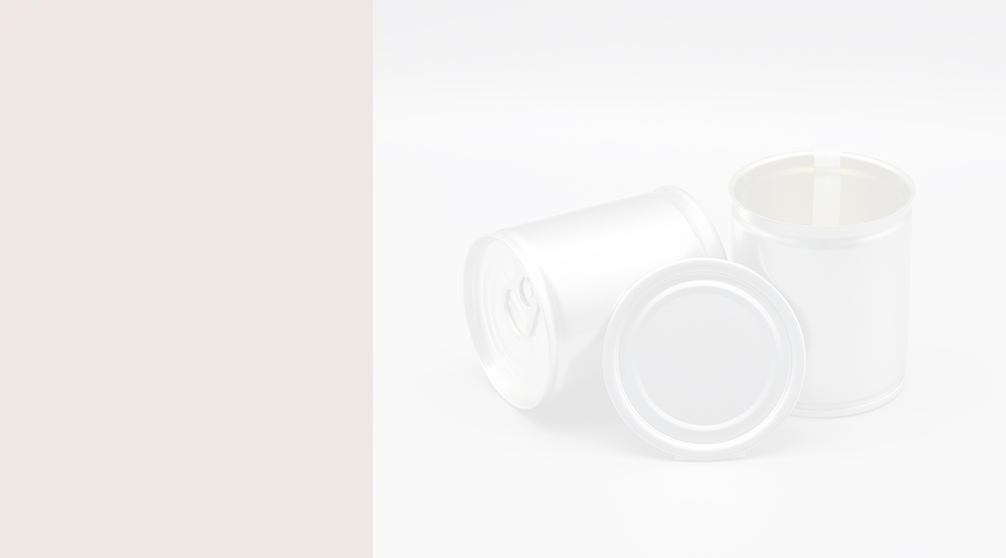
- Nutraceuticals & Dietary Powders: Large three-piece tinplate containers (such as 1000ml canisters) offer excellent moisture and light barriers to protect active vitamins and minerals from degradation.
- Cosmetics & Premium Personal Care: Custom glass jars with heavy bases provide premium product protection, visual clarity, and chemical resistance to volatile essential oils and active cosmetic ingredients.
6. Future Industry Trends: Lightweighting, Green Energy, and Smart Manufacturing
The packaging industry is shifting rapidly toward sustainability and digital integration, driven by evolving consumer expectations and global carbon reduction targets:
- Packaging Lightweighting: By utilizing Narrow Neck Press Blow (NNPB) glass forming and advanced aluminum wall-ironing technologies, manufacturers can reduce glass and metal usage by 15% to 25% without sacrificing container strength. This reduces transport-related carbon emissions.
- Decarbonized Furnaces: Transitioning glass melting plants and metal curing ovens to hybrid electric configurations and hydrogen-blend fuels helps minimize scope 1 emissions.
- Smart Factories: Integrating AI-driven optical scanning arrays along production lines allows for real-time detection of micro-cracks, neck deformities, and coating pinholes, ensuring reliable product quality at high output speeds.