High-barrier metallic containers and customizable bottles engineered for food and beverage safety.
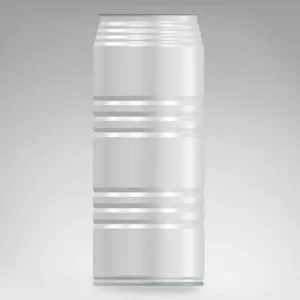
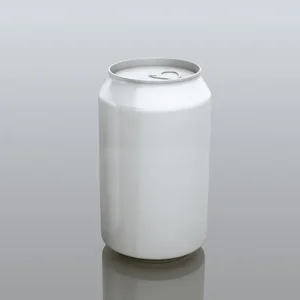
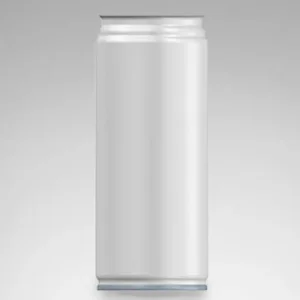
The global demand for high-performance rigid packaging has experienced unprecedented shifts. When brand managers and supply chain directors evaluate potential procurement pathways, the search for a reliable China glass packaging factory or a comprehensive metal container manufacturer remains central to their strategies. Glass packaging, historically prized for its chemical inertness, premium aesthetic weight, and total impermeability, forms a massive industrial segment in China's manufacturing clusters.
However, modern logistics, carbon neutrality mandates, and cost optimizations require buyers to look beyond singular material pathways. While investigating glass factory clusters in regions like Shandong or Guangdong, global businesses are increasingly looking at high-barrier metallic packaging, such as aluminum bottles and tinplate cans, as strategic alternates or complementary formats within their supply matrices. This integration establishes a robust dual-sourcing model that mitigates supply chain disruptions and optimizes freight configurations.
Selecting the optimal rigid container involves analyzing physical properties, degradation vectors, consumer behaviors, and downstream filling processes. Below, we compare the primary performance vectors of traditional glass containers from China glass packaging factories with those of high-barrier aluminum and tinplate alternatives.
| Performance Vector | Glass Packaging (Typical Factory Specs) | Aluminum / Metal (Sunrise Specs) |
|---|---|---|
| Weight / Logistics Ratio | High tare weight; substantial freight carbon overhead. | Ultra-lightweight; significantly lower transit footprint. |
| Shatter Resistance | Fragile; requires secondary drop protective packing. | Virtually shatterproof; compatible with open-air venues. |
| Light Protection (UV) | Requires amber/green coloration for partial UV block. | 100% total barrier against UV and ambient light. |
| Recycling Infrastructure | Infinitely recyclable, but requires high sorting costs. | Highly circular economy; high scrap value. |
For brands targeting rapid consumer adoption and seamless shipping across borders, metal packaging offers distinct advantages over glass. The weight differential directly impacts transport costs, allowing container ships and freight trucks to carry up to 40% more product by volume when using aluminum cans or bottles compared to heavy glass formats. Additionally, the complete light barrier provided by metal containers prevents oxidation of sensitive products, ensuring shelf-life integrity for beers, carbonated soft drinks, and specialty oils.
Bridging metal and rigid packaging demands across domestic and international markets with 33+ years of expertise.
Operating 31 highly automated manufacturing facilities across 28 key cities in China and Southeast Asia, including Cambodia, Indonesia, and Vietnam.
Providing seamless, certified beverage filling and integration options that complement our metal and rigid container manufacturing systems.
Maintained long-term, stable cooperation with premier domestic and international consumer brands, including Red Bull and Coca-Cola.
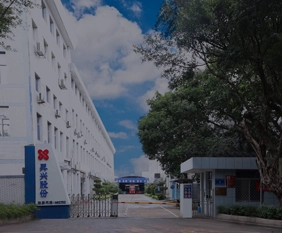
Sunrise Group Co., Ltd., founded in 1992, is headquartered in the Fuzhou Economic and Technological Development Zone. It is a diversified, publicly listed company (Stock Code: 002752) with a strong, long-standing presence in the packaging industry. The Group combines various functions, including metal packaging manufacturing, beverage filling, collaborative marketing services, equipment research and development, supply chain management, and industrial services, thereby creating a comprehensive and competitive value chain.
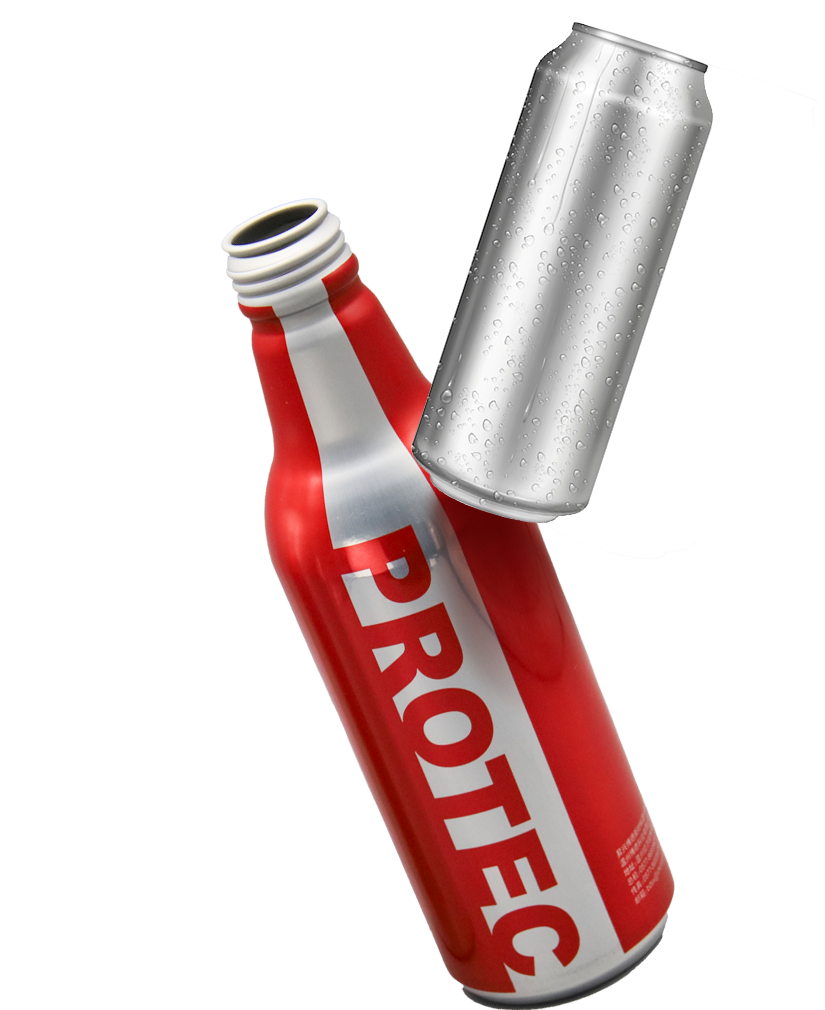
Comprehensive packaging architectures built to withstand high pasteurization, structural pressures, and complex distribution channels.
Sunrise is committed to integrating sustainable development with corporate strategy, pursuing high-quality productivity.

Integrating packaging, filling, decoration, and supply chain management for seamless procurement.

Spanning mainland China and expanding aggressively into rapidly growing Southeast Asian markets.

Trusted by global beverage conglomerates, satisfying strict technical compliance guidelines.

Equipped with dozens of high-output lines guaranteeing on-time delivery even during peak seasons.

Accumulating structural engineering patents, advanced lacquer applications, and necking innovations.

Transforming standard operations into custom, flexible printing, and short-run filling solutions.
Verified regulatory conformity across international boundaries, guaranteeing chemical, food, and environmental safety.
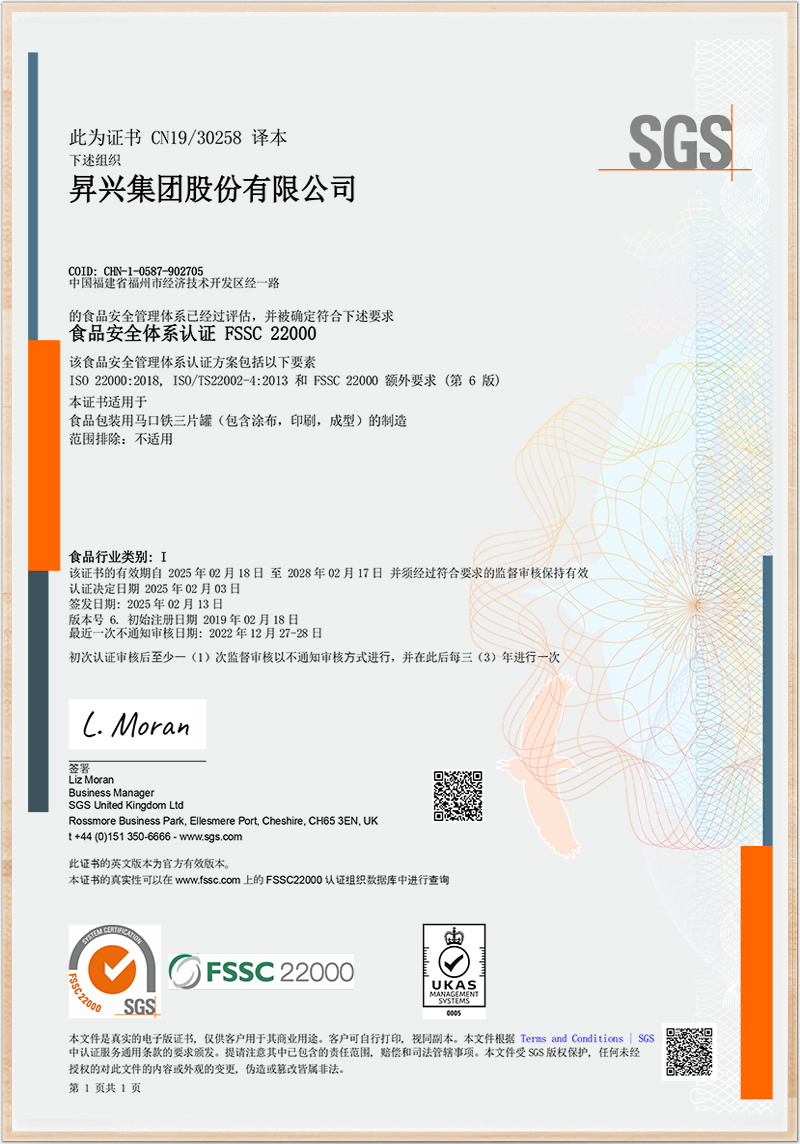
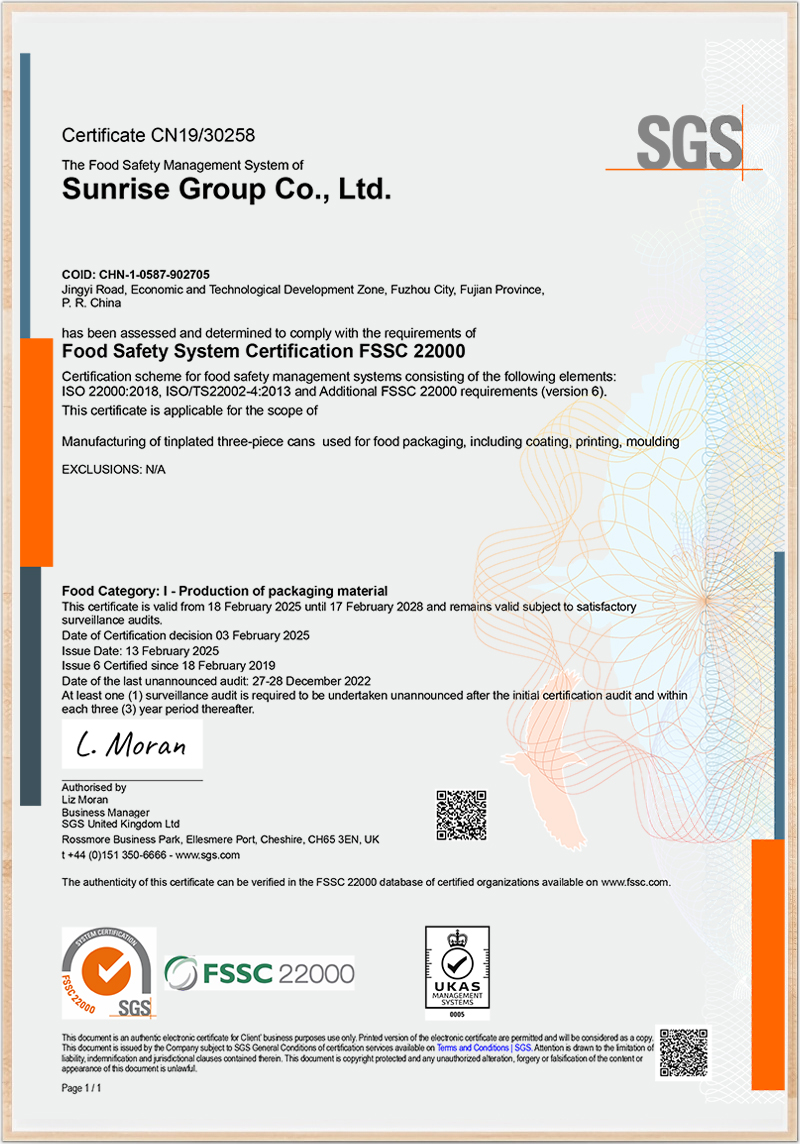
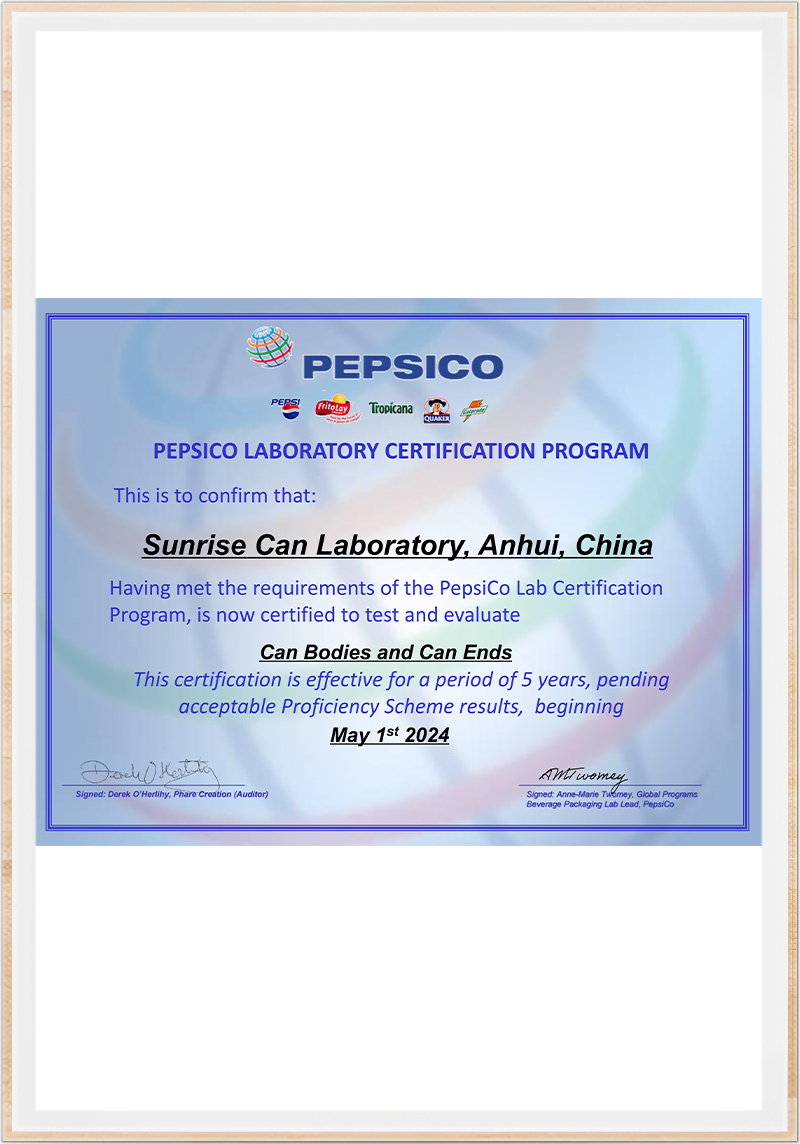
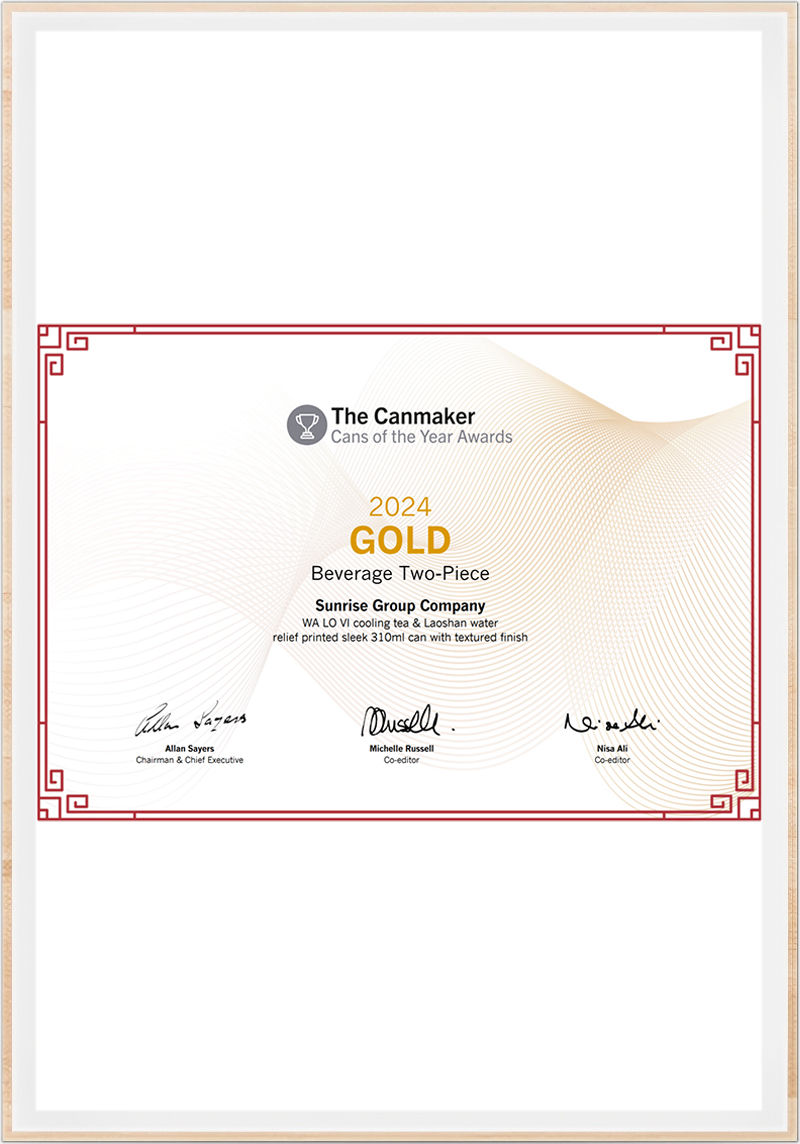
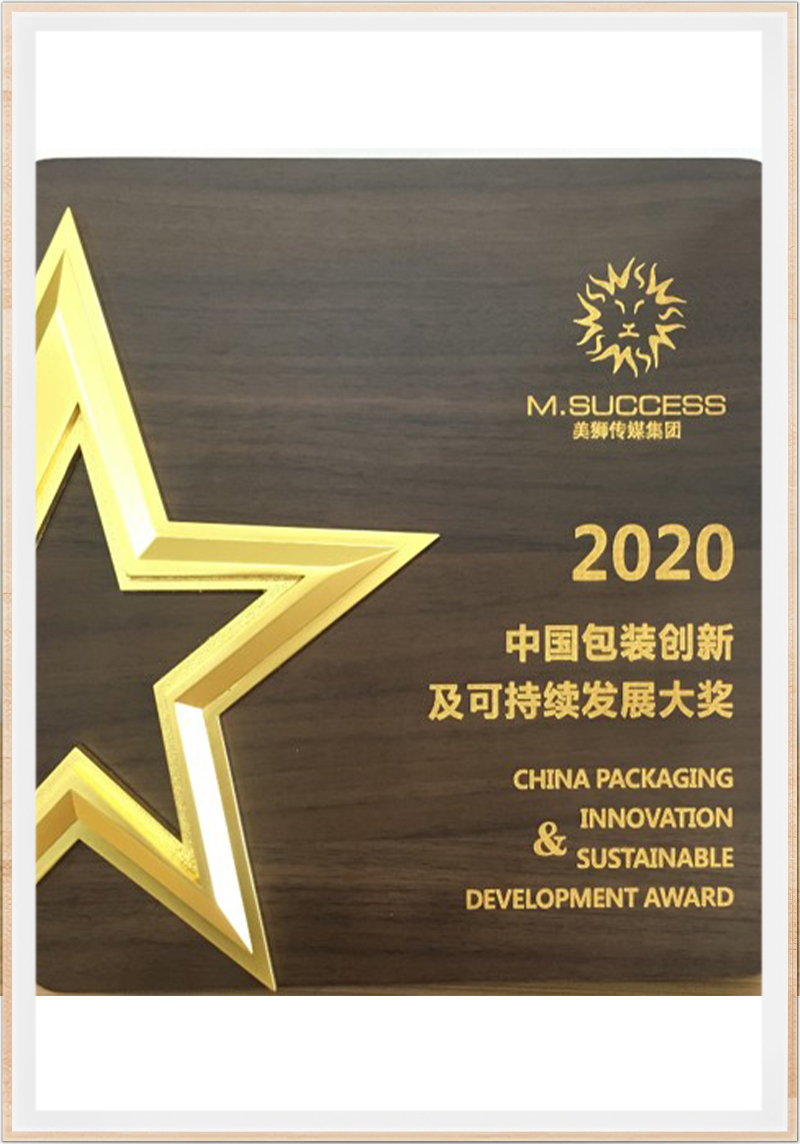
We have successfully passed the certifications of ISO9001 Quality Management System, ISO22000/FSSC22000 Food Safety Management System, ISO14001 Environmental Management System, and OHSAS18001/ISO45001 Occupational Health and Safety Management System. This ensures compliance when shipping packaging components into EU and North American jurisdictions.
We utilize machinery manufactured by globally renowned suppliers to ensure extreme precision and uniform wall thickness across our lines.




Our production plants feature equipment from premium suppliers like Soudronic (Switzerland), KAMPF and Hinterkopf (Germany), Crabtree (UK), Fuji (Japan), and STOLLE and BELVAC (USA) to minimize variability and defend against dimensional defect rates down to ppm levels.
Engineering customizable containers optimized for critical B2B industries.
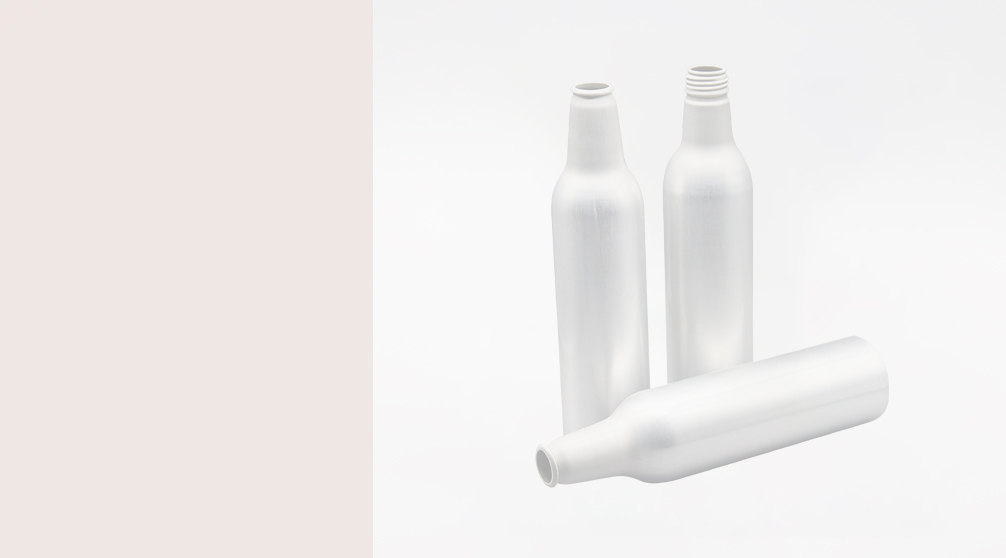
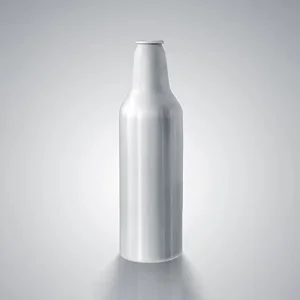
While premium distilleries traditionally use glass, modern brands are adopting aluminum bottles for outdoor events and travel retail. These bottles shield spirits from heat and light degradation, preserving complex aromas and flavors.
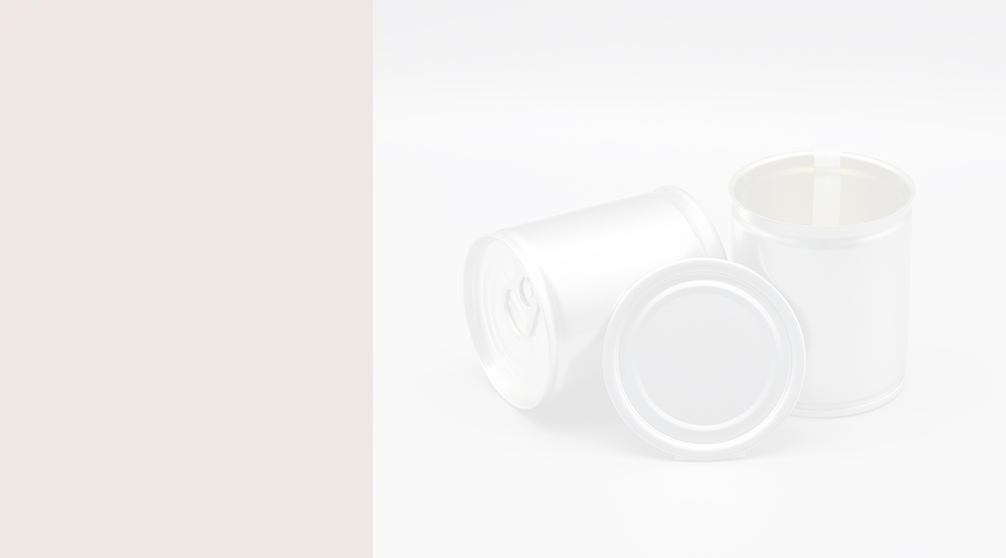
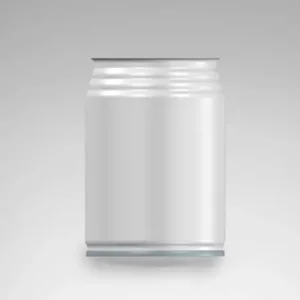
Reinforced three-piece jars and containers are essential for preserves, nutritional drinks, and dry food storage. They resist thermal shock during pasteurization and prevent moisture ingress, outperforming standard glass jars in high-speed, vibration-prone shipping scenarios.
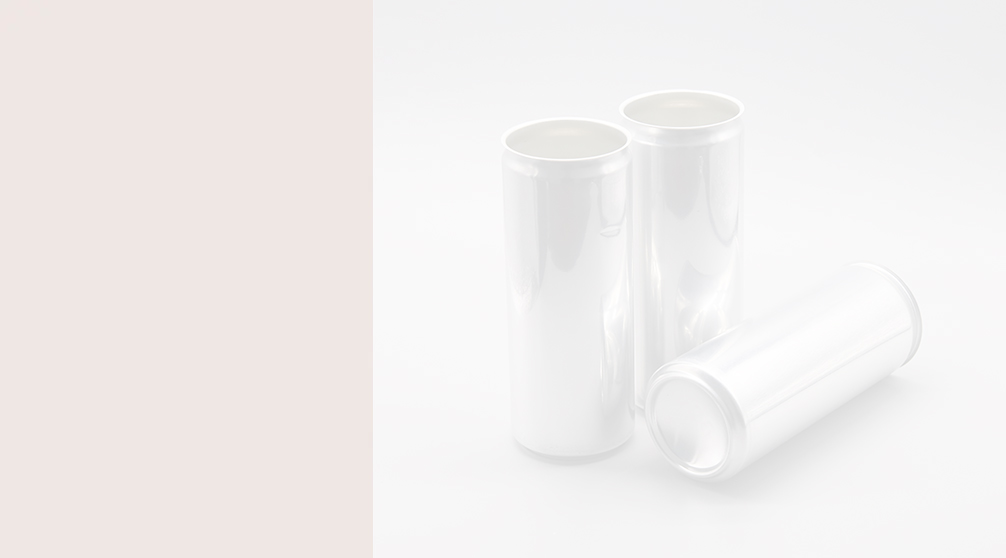
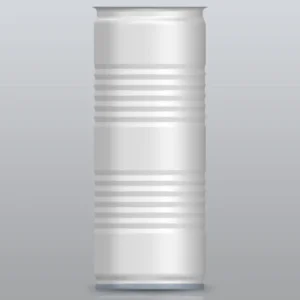
For high-carbonation beverages, two-piece aluminum cans deliver superior pressure containment. The consistent neck profiles minimize beverage loss during filling and seal flawlessly under typical commercial pressure curves.
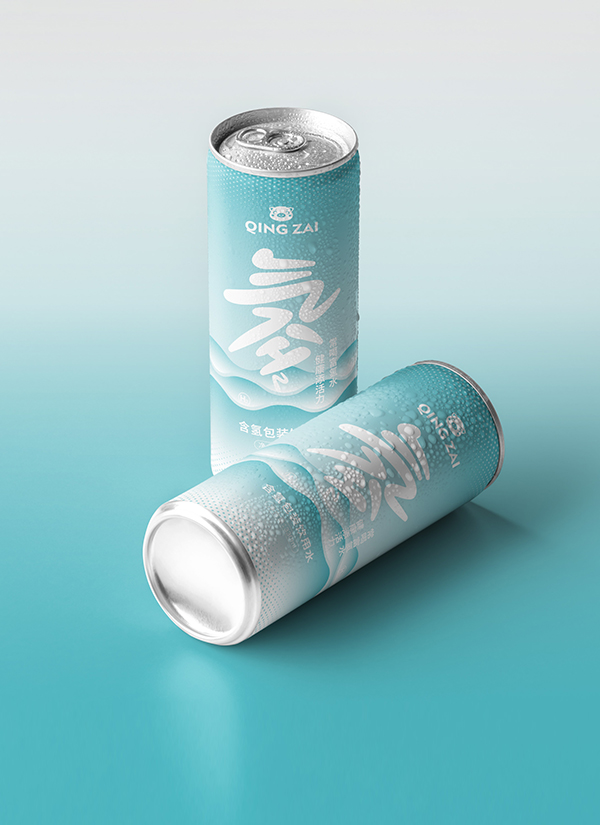
As global packaging markets transition toward circular systems, the technology roadmap for both glass and metal container production in China focuses on several key areas:
Access deep technical analyses of material properties, testing methods, and product design updates.
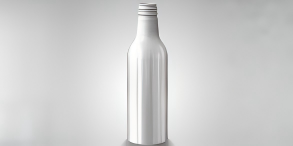
Lightweight, sturdy, and much lighter than glass. It offers high strength, prevents breakage, and simplifies transport. Good sealing and strong light avoidance protect sensitive contents from oxygen degradation...
The three-piece can, also known as the tinplate three-piece can, is a metal container made from tinned steel sheet, chromium-plated steel sheet, or aluminum alloy through seam resistance welding...
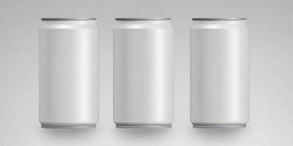
Composed of a can lid and a seamless drawn body. Made primarily from aluminum or tin-plated plate, these containers are widely used in packaging carbonated beverages and beer...
Answers to key engineering, logistics, and compliance questions for global procurement managers.
High-barrier solutions, jars, and specialized containers for international beverage, household, and food industries.
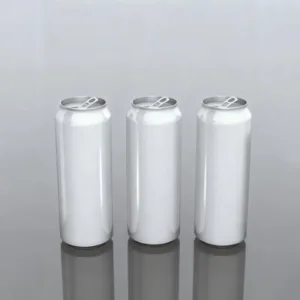
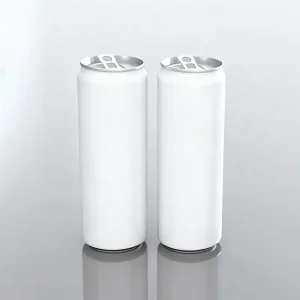
 Sunrise Cans