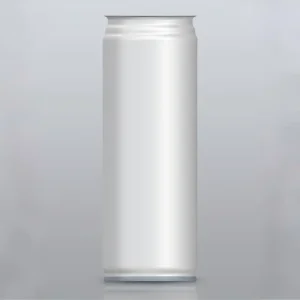
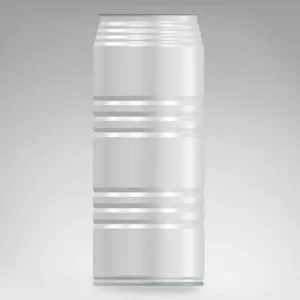
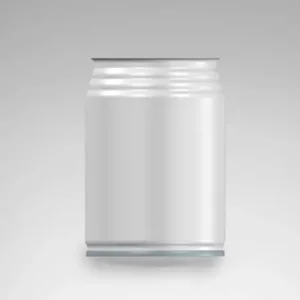
Explore our industrial-grade, certified metal packaging and hybrid barrier containment options optimized for global distribution.
Sunrise Group Co., Ltd., founded in 1992, is headquartered in the Fuzhou Economic and Technological Development Zone. It is a diversified, publicly listed company (Stock Code: 002752) with a strong, long-standing presence in the metal packaging industry. The Group combines various functions, including metal packaging manufacturing, beverage filling, collaborative marketing services, equipment research and development, supply chain management, and industrial services, thereby creating a comprehensive and competitive value chain.
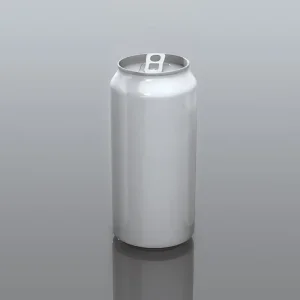
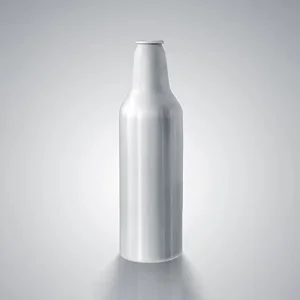
With over 33 years of continuous development, Sunrise Group has established a solid market position in the metal packaging sector. The company operates 31 manufacturing facilities across 28 cities in China and Southeast Asia, including Cambodia, Indonesia, and Vietnam. These facilities produce three-piece tinplate cans, two-piece aluminum cans, aluminum bottles, and provide beverage filling services, catering to a wide range of customer needs throughout the region.
A deep dive into next-generation barrier films, coating dynamics, and sustainability trajectories.
The search for the perfect package has driven the packaging industry toward materials that combine the inertness and safety of rigid glass with the lightweight, space-saving attributes of flexible films. A key innovation in this field is the **Glass Pouch** (often referred to technically as SiOx-coated high-barrier pouch technology). Unlike traditional plastic packaging which allows microscopic gas molecules to pass through over time, next-generation Glass Pouches apply a nanoscale layer of silicon dioxide (SiOx) directly onto polymer substrates. This achieves glass-like oxygen and moisture barrier properties without adding bulk or fragility.
The production of true glass-level barrier pouches begins with vacuum deposition processes. Using advanced Plasma Enhanced Chemical Vapor Deposition (PECVD), vaporized organosilicon compounds are ionized and deposited as a uniform silicon oxide (SiOx, where x ≈ 1.5 to 1.8) grid on carrier films such as PET or PP. This microscopic glass layer is only tens of nanometers thick—over 10,000 times thinner than a human hair. Despite its thinness, this layer prevents oxygen, carbon dioxide, and ambient aromas from degrading the enclosed product, ensuring shelf stability equivalent to traditional glass bottles.
Historically, ultra-high barrier flexible packaging required multiple laminated layers of different materials (e.g., PET/Al/PE), making them virtually unrecyclable. The Glass Pouch roadmap focuses on **mono-material structural integrity**. By vapor-depositing SiOx directly onto polypropylene (PP) or polyethylene (PE) films, engineers are creating single-polymer structures that meet strict global recycling standards while maintaining oxygen transmission rates (OTR) below 0.1 cc/m²/day.
Next-generation glass pouches are designed to handle retort sterilization processes (up to 121°C for 30 minutes) without cracking or loss of clarity. Looking ahead, developers are integrating flexible, food-safe temperature and freshness sensors directly into the pouch layer structure, transforming static packaging into active, communication-capable platforms for intelligent supply chains.
Strategic deployment of innovative high-barrier configurations for high-volume consumer goods.
We provide comprehensive filling and packaging integration. Sunrise Group handles both high-speed aluminum/tinplate canning lines and supports advanced flexible spouted pouch systems that keep premium ingredients fresh while reducing freight costs by up to 70% compared to heavy, rigid packaging alternatives.
For ready-to-eat meals, soups, and active nutritional pastes, our multi-layered high-performance pouch and tinplate designs withstand strict autoclave sterilization processes. The packaging structure maintains shape and physical integrity throughout storage and high-pressure sterilization cycles.
Designed for downstream B2B shipping efficiency. Standardizing formats to fit optimized pallet configurations helps logistics departments maximize cargo volume, eliminate empty air space, and significantly lower global transport greenhouse gas emissions.
Combining automated production, smart warehousing, and global locations for reliable supply.
Sunrise Group utilizes advanced production technologies across its manufacturing bases. The company has introduced equipment manufactured by globally renowned suppliers such as **Soudronic** from Switzerland, **KAMPF** and **Hinterkopf** from Germany, **Crabtree** from the United Kingdom, **Fuji** from Japan, and **STOLLE** and **BELVAC** from the United States.
By linking these precise production machines to a central Industrial Internet of Things (IIoT) control system, Sunrise Group ensures consistent quality, minimal waste, and rapid processing.
Addressing the core technical, logistical, and commercial requirements of large buyers.
Securing high-quality packaging materials requires balancing performance, cost, and logistics. Large international buyers look beyond simple unit pricing to evaluate a supplier's overall reliability. Here is how Sunrise Group addresses these key purchasing challenges:
By combining bulk raw material procurement (tinplate, aluminum coils, high-performance polymers) with in-house processing and filling services, we help clients minimize extra handling fees, intermediate shipping costs, and inventory storage expenses.
We conduct standardized test protocols on every batch of materials. This includes burst pressure testing for pouches, seal integrity assessments, retort temperature endurance checks, and color spectrophotometry for printed packaging.
With both high-definition gravure printing and advanced digital printing capabilities, we can support large-scale industrial packaging runs as well as smaller, regional test-market batches with high print clarity.
Our facilities maintain third-party audited carbon disclosure and supply chain safety ratings. This helps multinational procurement departments comply with strict environmental reporting standards.
Ensuring your packaging meets global food safety standards and international trade rules.
Packaging materials that touch food, beverages, or wellness products must meet strict regulatory standards. Sunrise Group maintains clean manufacturing facilities and updates its regulatory documentation regularly.
The company has successfully passed certifications for the **ISO9001** Quality Management System, the **ISO22000/FSSC22000** Food Safety Management System, the **ISO14001** Environmental Management System, and the **OHSAS18001/ISO45001** Occupational Health and Safety Management System.
Our products are tested and verified to meet food-contact material regulations, including **FDA (Food and Drug Administration)** requirements in the United States and **EFSA (European Food Safety Authority)** guidelines in Europe. We provide detailed migration profiles and material safety data sheets (MSDS) to ensure smooth customs clearance and regulatory approvals.
Our logistics team handles international transport requirements, including ocean freight container optimization, customized customs documentation for individual countries, and duty-drawback programs. Working with production bases in Southeast Asia also helps clients manage trade tariffs and diversify their supply risks.
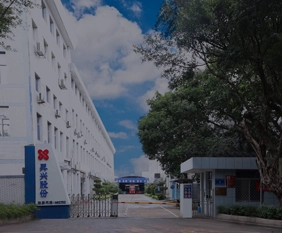
Our production facilities maintain strict quality and environmental management standards.
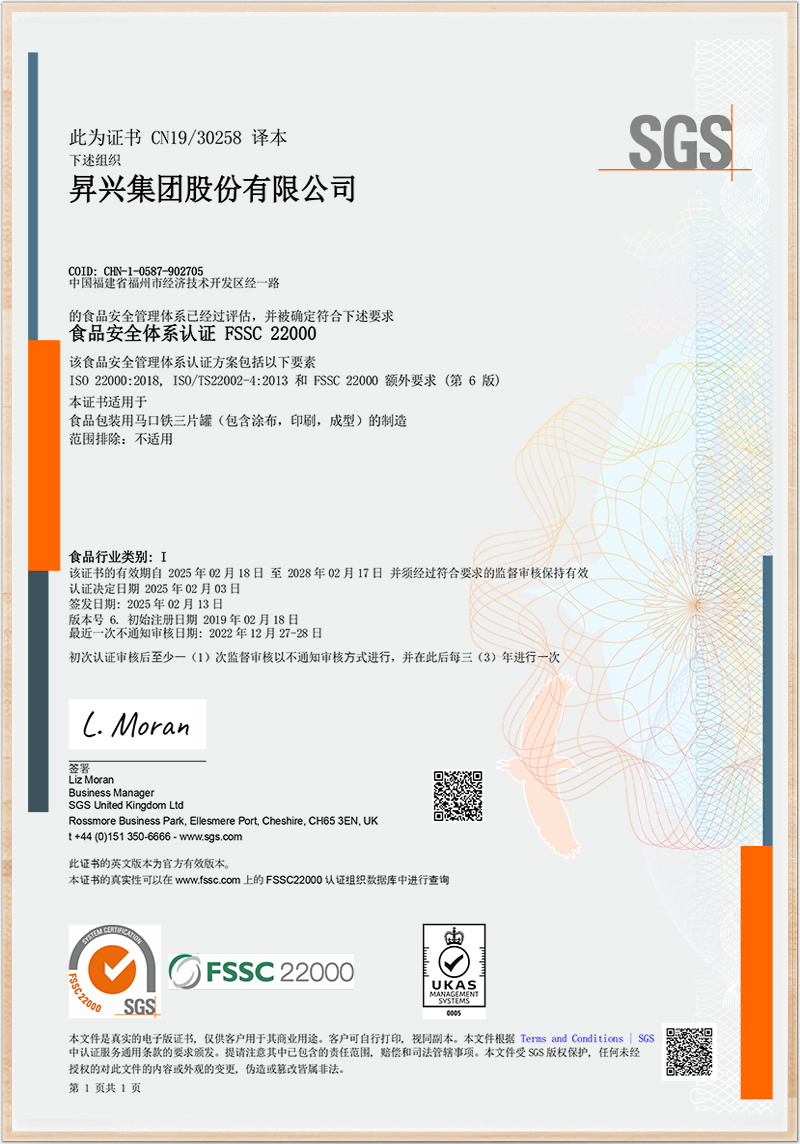
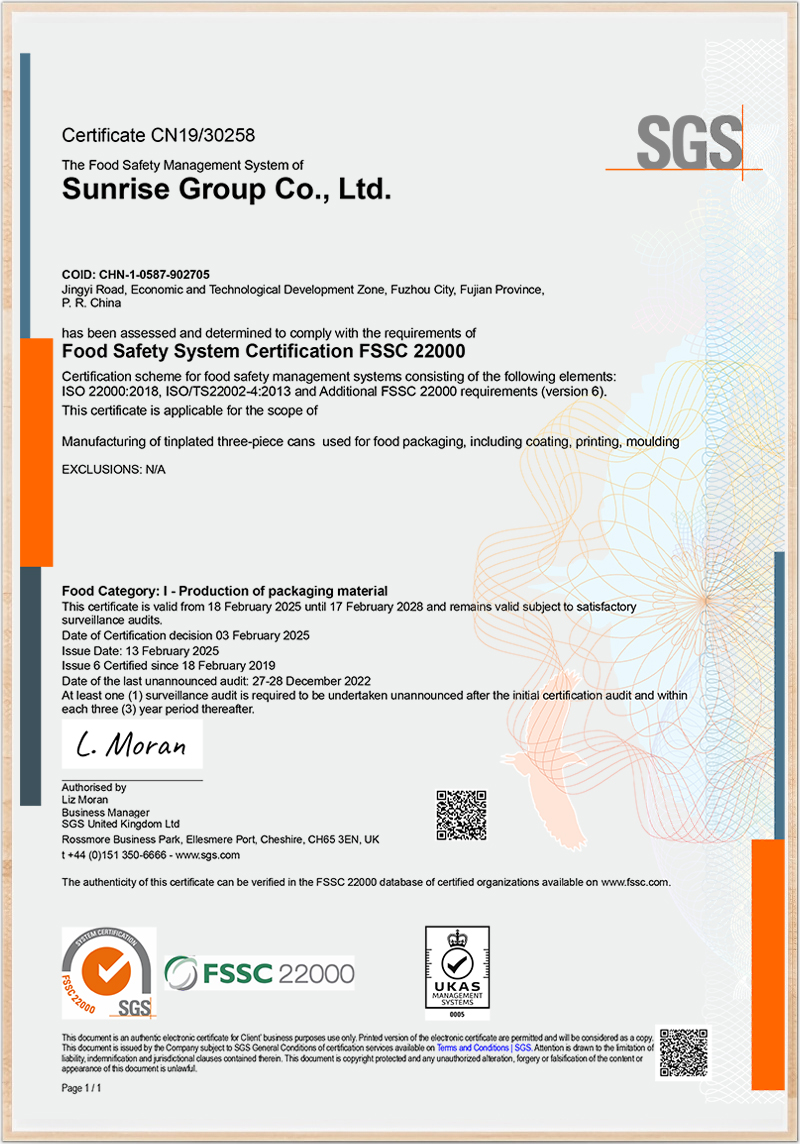
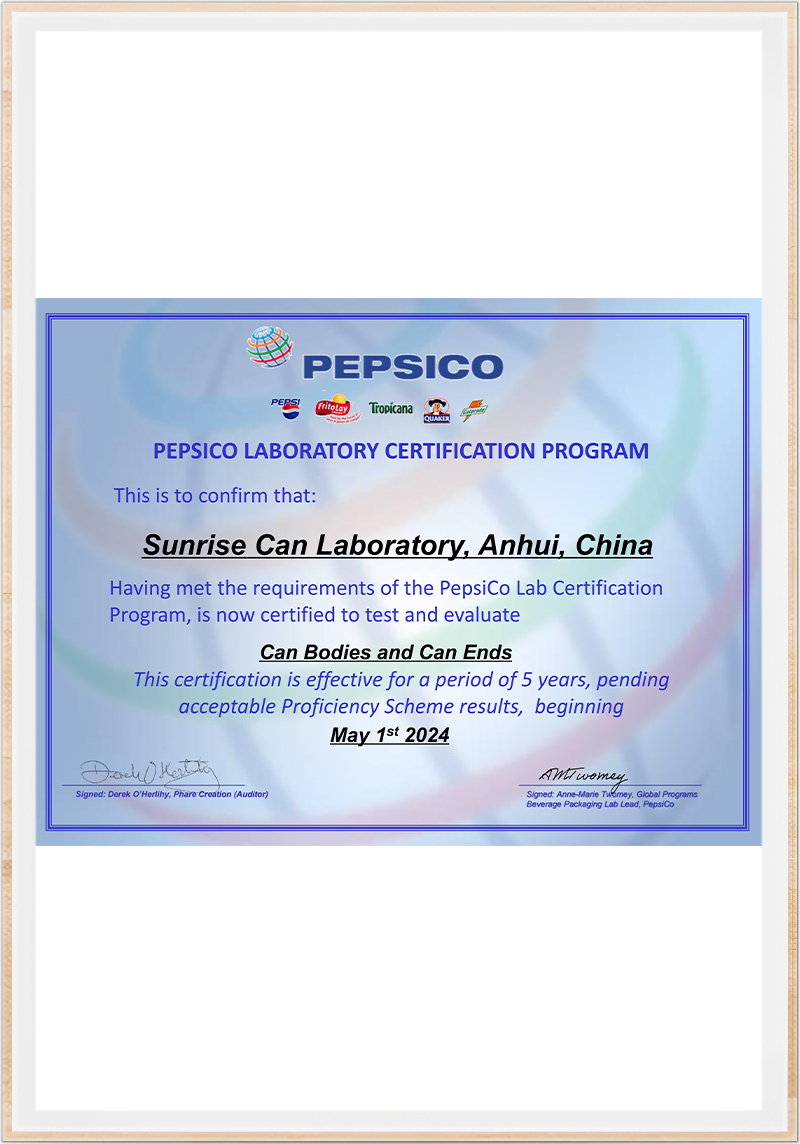
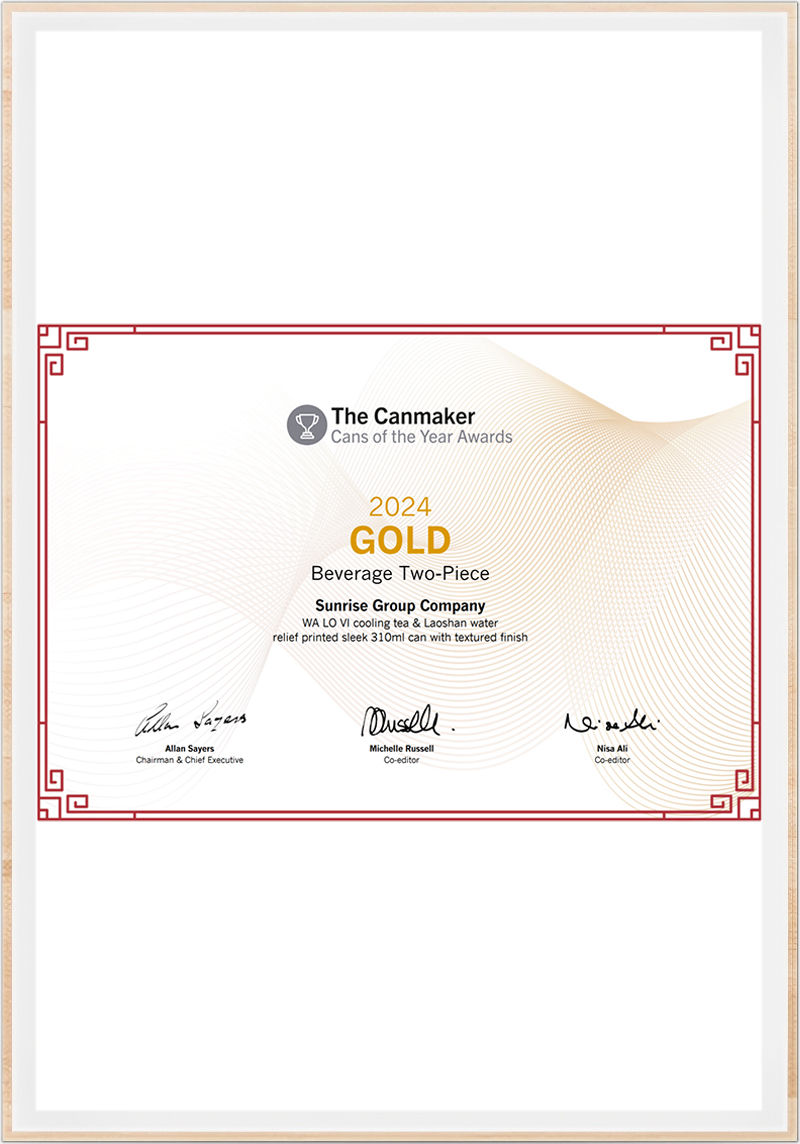
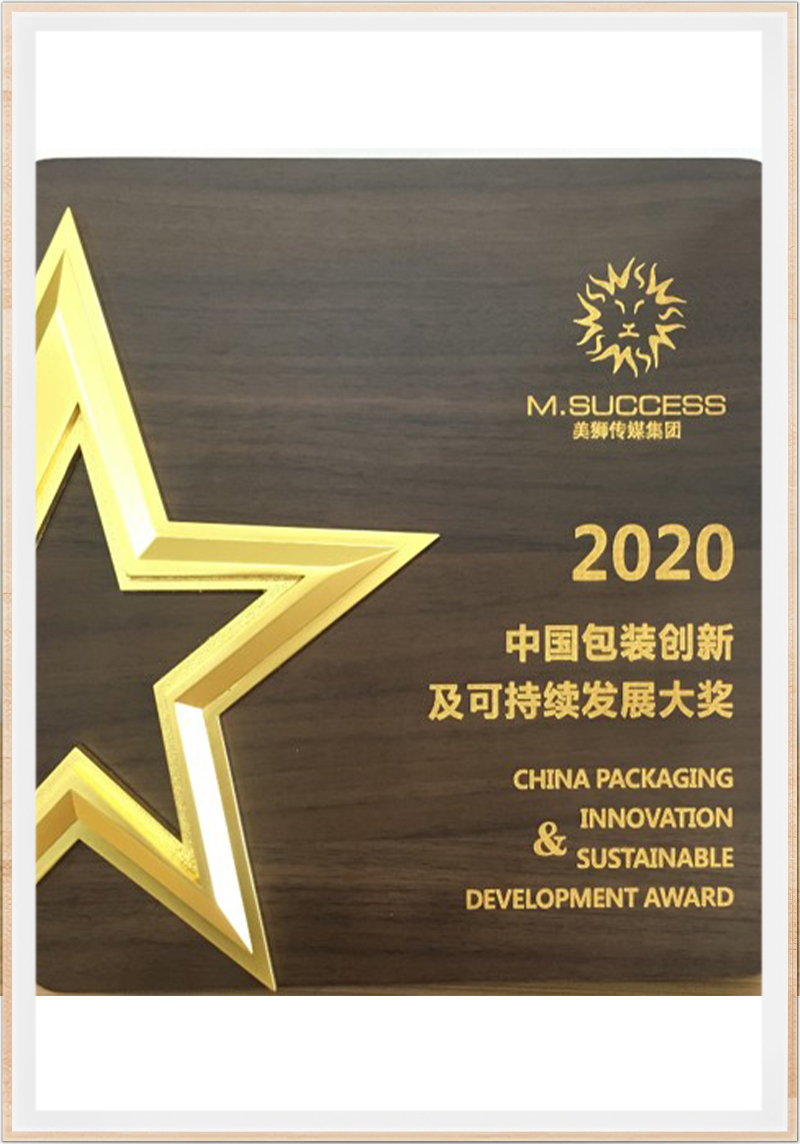
Sunrise Group works with trusted domestic and international FMCG brands as well as global equipment manufacturers.














Keep up with packaging industry trends, safety certifications, and new technology developments.

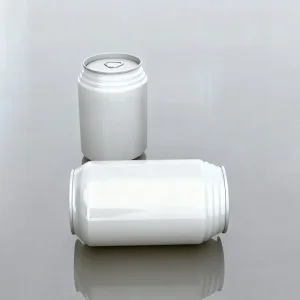
Lightweight and sturdy. It is much lighter than glass, has high strength, is not fragile, and is convenient for transportation and carrying. Good sealing and strong light avoidance. Completely shielded from light and oxygen, it can effectively protect contents...
View More →
The three-piece can, also known as the tinplate three-piece can, is a can-type packaging container made from tinned steel sheet, chromium-plated steel sheet, or aluminum alloy and other metal sheets through crimping, bonding, or resistance welding...
View More →
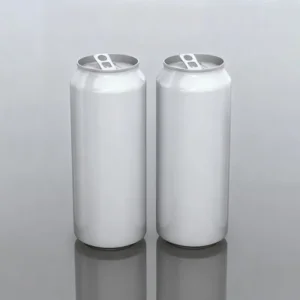
Two piece can, also known as stamped can, is a metal container composed of a can lid and a seamless can body. The main materials include aluminum, tin plated plate, and chrome plated plate, and are widely used in packaging carbonated beverages and food...
View More →Answers to common questions from packaging engineers and procurement managers.
Review our specialized shapes, reinforced cans, and storage jar sets designed for diverse retail demands.
 Sunrise Cans