Explore our flagship high-performance barrier containers, packaging components, and storage systems engineered for global supply stability and absolute quality compliance.
High-Density Polyethylene (HDPE) remains one of the world's most critical industrial resins, particularly in the chemical, food, agricultural, and pharmaceutical sectors. Distinguished by its linear polymer structure with minimal branching, HDPE exhibits a high density-to-strength ratio (ranging from 0.93 to 0.97 g/cm³), strong intermolecular forces, and exceptional chemical resistance. In the current global industrial packaging supply chain, the demand for HDPE bottles and containers is expanding rapidly, driven by the search for lightweight, shatterproof, and cost-effective alternatives to glass and metal packaging systems.
Semantic Insight & Market Intelligence: The global plastic packaging market is experiencing structural transitions. Buyers are no longer evaluating factories merely on per-unit cost. Material purity, stress crack resistance under thermal fluctuation (ESCR), regulatory compliance (FDA/USP standards), and circular economy compatibility (incorporation of Post-Consumer Recycled resin) are now key metrics for supplier evaluation.
Currently, major global industries including agricultural chemicals, personal care products, pharmaceuticals, and bulk industrial lubricants rely heavily on HDPE's chemical inertness. It is highly resistant to strong acids, bases, and mild oxidants. The molecular stability ensures that volatile chemicals do not degrade or migrate through the bottle wall, maintaining product efficacy throughout a long shelf life. For multinational brands, selecting high-tier manufacturing facilities that understand polymer behavior and advanced co-extrusion technology is a strategic priority to minimize logistics risks, product liability, and regulatory friction.
To assist packaging engineers and procurement directors in choosing optimal containment materials, this comparative matrix details the mechanical differences across standard commercial packaging resins.
| Property Parameter | High-Density Polyethylene (HDPE) | Polyethylene Terephthalate (PET) | Polypropylene (PP) | Low-Density Polyethylene (LDPE) |
|---|---|---|---|---|
| Density Range (g/cm³) | 0.941 – 0.965 | 1.38 – 1.40 | 0.895 – 0.920 | 0.910 – 0.940 |
| Environmental Stress Cracking Resistance (ESCR) | Excellent (High Molecular Weight blends) | Poor to Moderate | Excellent | Good |
| Moisture Barrier Performance | Very High (MVTR < 0.5 g-mil/100 sq.in/24h) | Moderate | High | Moderate |
| Chemical Compatibility Profile | Broad resistance to acids, bases, and alcohols | Susceptible to strong acids and bases | High chemical resistance | Good, but lower mechanical limits |
| Standard Processing Method | Extrusion Blow Molding (EBM) / Injection Blow Molding (IBM) | Injection Stretch Blow Molding (ISBM) | Injection Molding / Extrusion Blow Molding | Extrusion Blow Molding |
How state-of-the-art Chinese production centers leverage industrial clusters, advanced automation, and integrated molding technology to deliver global value.
Our collaborative facilities feature multi-cavity EBM machines equipped with parison thickness control. This ensures uniform wall distribution, eliminating weak points and optimizing raw material usage by up to 12% without sacrificing drop test ratings.
To prevent gas transmission and organic solvent permeation, we employ multi-layer technology integrating EVOH (Ethylene Vinyl Alcohol) or Polyamide (PA) barrier linings. This is critical for agricultural chemical and paint container manufacturing.
Every bottle passes through inline dynamic checkweighers and high-voltage leak detection units. Robotic vision inspection systems scan neck finishes, thread integrity, and flash removal points in real-time, reducing defect rates to below 50 PPM.
The manufacturing efficiency of Chinese factories is not just about labor arbitrage; it is defined by extensive supply chain integration. In regions like coastal East and South China, raw material suppliers, mold design houses, injection molding machinery developers, and auxiliary decoration units (such as digital printing and labeling) are clustered in close proximity. This geographic density enables rapid prototyping, allowing custom designs to move from 3D CAD modeling to physical test molds in less than 15 days, compared to the industry standard of 45 days in many Western countries.
Furthermore, standardizing manufacturing protocols through modern automation decreases cycles times. High-speed multi-station machines run continuous production schedules, supported by local electrical grids and integrated port facilities. The resulting logistical efficiency enables factories to coordinate container consolidation, bulk packaging configurations, and international shipping logistics seamlessly, keeping costs highly competitive globally.
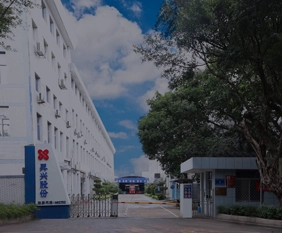
Founded in 1992 and listed on the public stock exchange (Stock Code: 002752), Sunrise Group is headquartered in the Fuzhou Economic and Technological Development Zone. We have evolved into a diversified global packaging provider. By integrating packaging development, beverage filling service capabilities, digital printing services, and industrial-grade supply chain logistics, we deliver complete solutions for brands worldwide.
With more than 33 years of hard work, Sunrise Group operates 31 advanced manufacturing plants across 28 cities in China and key Southeast Asian hubs, including Cambodia, Indonesia, and Vietnam. Our industrial footprint covers premium three-piece tinplate cans, two-piece aluminum cans, aluminum bottles, and plastic container configurations, ensuring supply reliability and operational backup for our international clientele.
Healthier consumption, better life.
To become one of the most valuable service providers in the global FMCG industry.
Integrity, Quality, Innovation, Commitment and Win-win.
HDPE bottles are highly versatile containers. Understanding their specific requirements across different industrial sectors is essential for ensuring product stability, consumer safety, and brand integrity.
Crop protection chemicals, pesticides, and liquid fertilizers require high chemical inertness. Standard HDPE containers can suffer from panelling or gas permeation. We configure specialized Multi-layer fluorinated HDPE bottles that prevent weight loss of the solvent, maintaining structural rigidity and containing volatile organic compounds (VOCs).
Compliance is critical in healthcare packaging. Sourced HDPE bottles for tablets, capsules, and liquid syrups meet USP <661.1> and USP <661.2> guidelines. Produced in Class 100,000 cleanrooms, they provide low moisture transmission rates (MVTR) and high opacity to shield sensitive compounds from UV radiation.
Engine oils, transmission fluids, and fuel additives demand durable, high-impact packaging. Heavy-gauge HDPE bottles prevent stress cracking near structural seam lines. Custom neck designs support leak-free seals under rough handling and heavy vibration during distribution.
For liquid soaps, shampoos, and household detergents, aesthetic finish and functional compatibility are key. We supply customized HDPE configurations featuring soft-touch finishes, custom colors, and compatibility with dispenser pumps. Our bottles are designed to withstand surfactant-induced environmental stress cracking over extended shelf periods.
For industrial chemical storage, safety is paramount. Our partner factories produce UN-rated HDPE jerrycans and containers. These heavy-wall products are tested for stackability, hydraulic pressure endurance, drop survivability, and environmental stress crack resistance, ensuring they meet shipping and safety standards.
To help international procurement teams minimize risks when sourcing from Chinese and Southeast Asian manufacturers, we have detailed our quality verification process. Every production run is audited against standardized parameters to ensure consistency and performance.
| Evaluation Parameter | Verification Test Protocol | Compliance Standards | Critical Quality Indicator |
|---|---|---|---|
| Resin Traceability | Melt Flow Index (MFI) analysis & Density testing | ASTM D1238 / ISO 1133 | Ensures no unapproved recycled material is blended in virgin runs |
| Structural Durability | Drop test from 1.2 to 1.8 meters (water-filled at 4°C) | UN Standard Packaging Tests | No cracking or product leakage upon impact |
| Dimension Stability | Cap torque application and neck flatness inspection | SPI Thread Standards | Ensures clean sealing and prevents cap back-off |
| Wall Consistency | Non-destructive Hall Effect thickness measurement | Factory QC Specifications | Maintains minimum wall thickness to prevent bottle collapsing |
Our quality verification starts with raw material inspection. We trace each batch of HDPE resin back to the supplier to verify purity and melt characteristics. During production, automatic sensors monitor pressure, temperature, and parison speed to keep structural variations within a tight +/- 0.5mm margin. This consistent control is essential for modern high-speed filling lines, where minor dimensional variances can cause downtime or sealing failures.
Our partner manufacturing facilities operate under international management systems, meeting stringent quality, environmental, and safety standards.
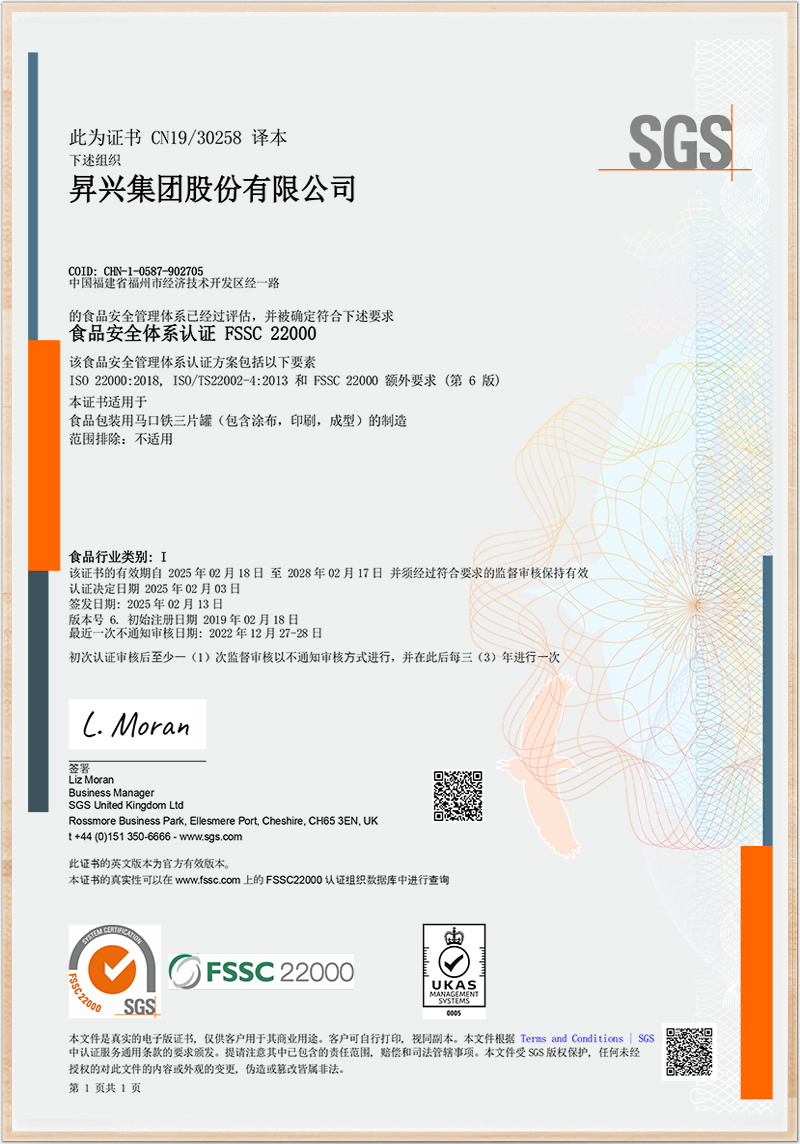
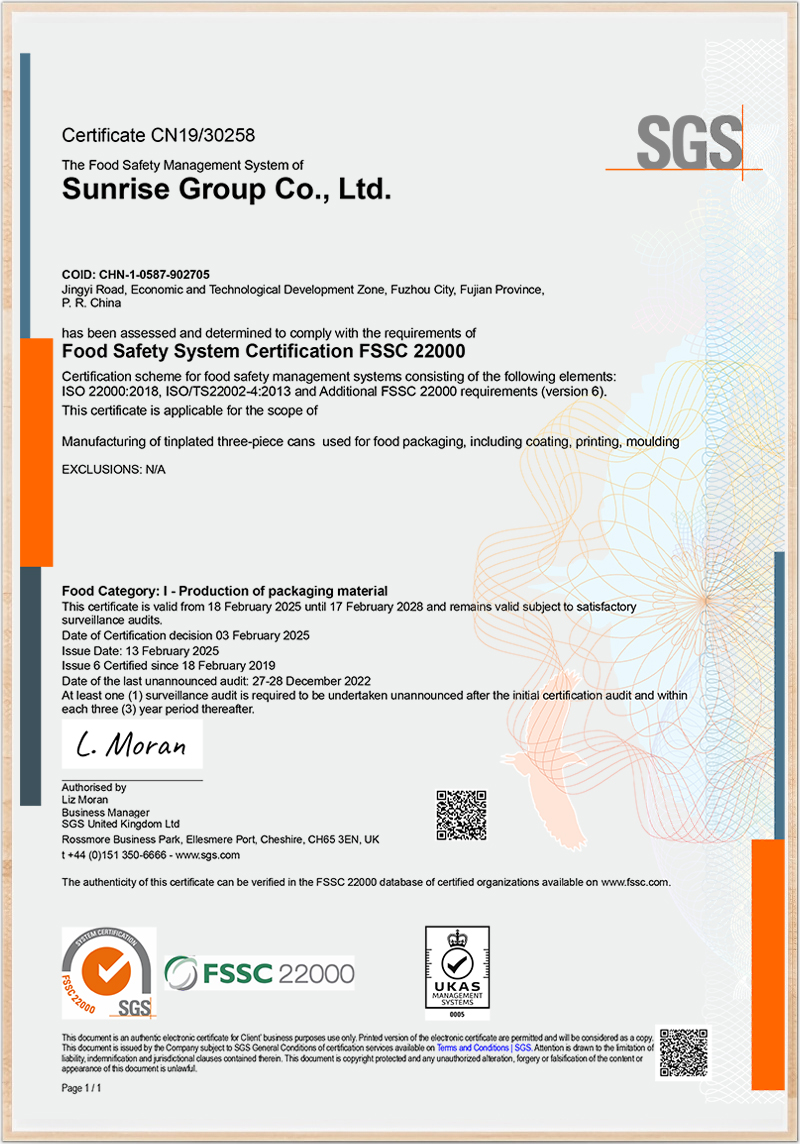
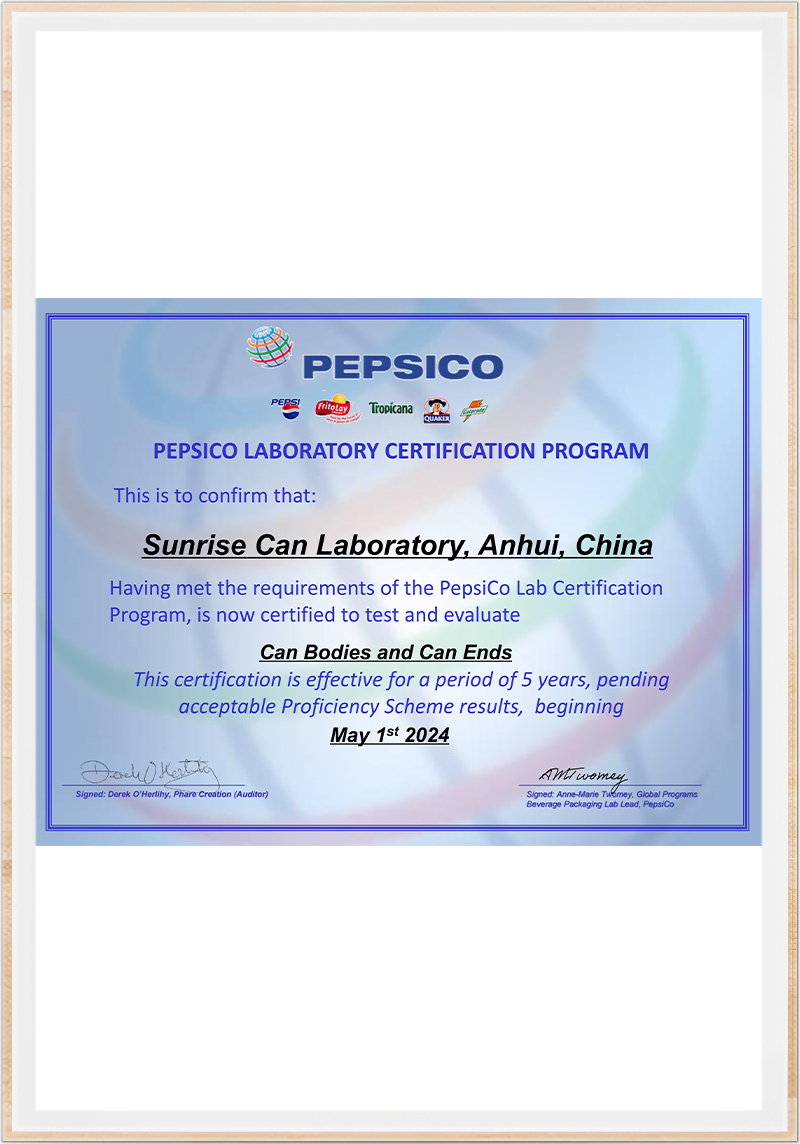
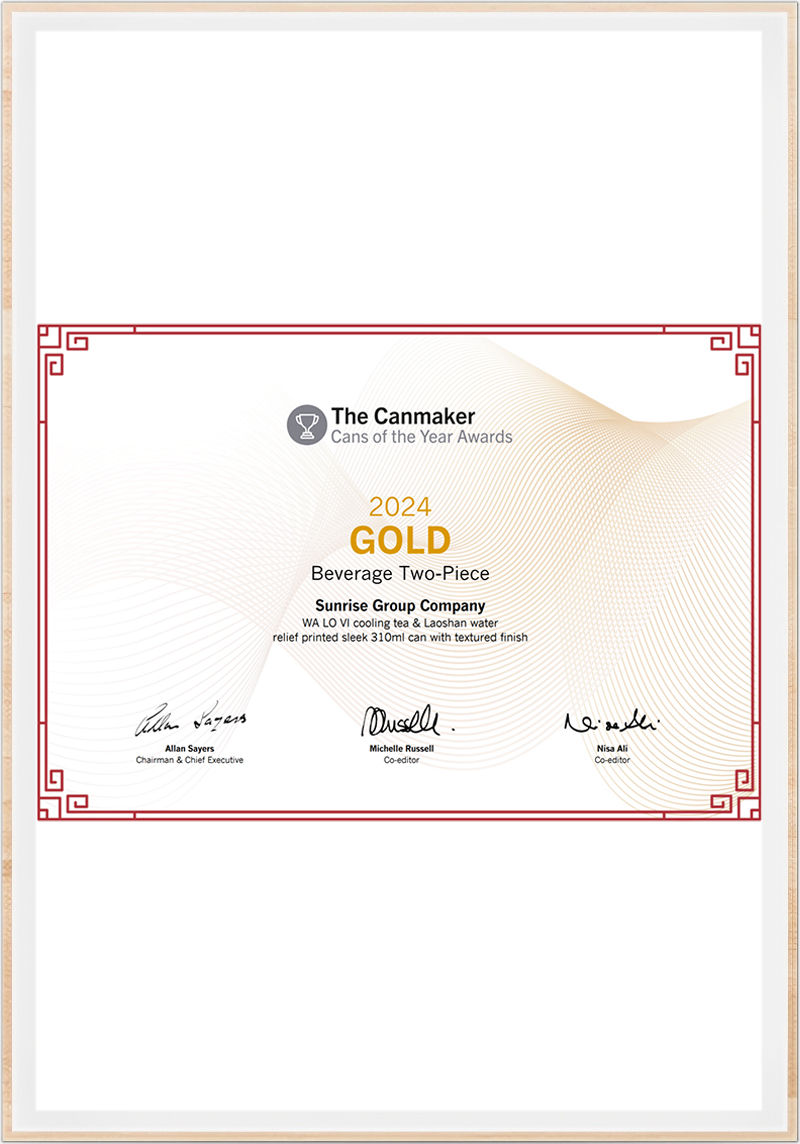
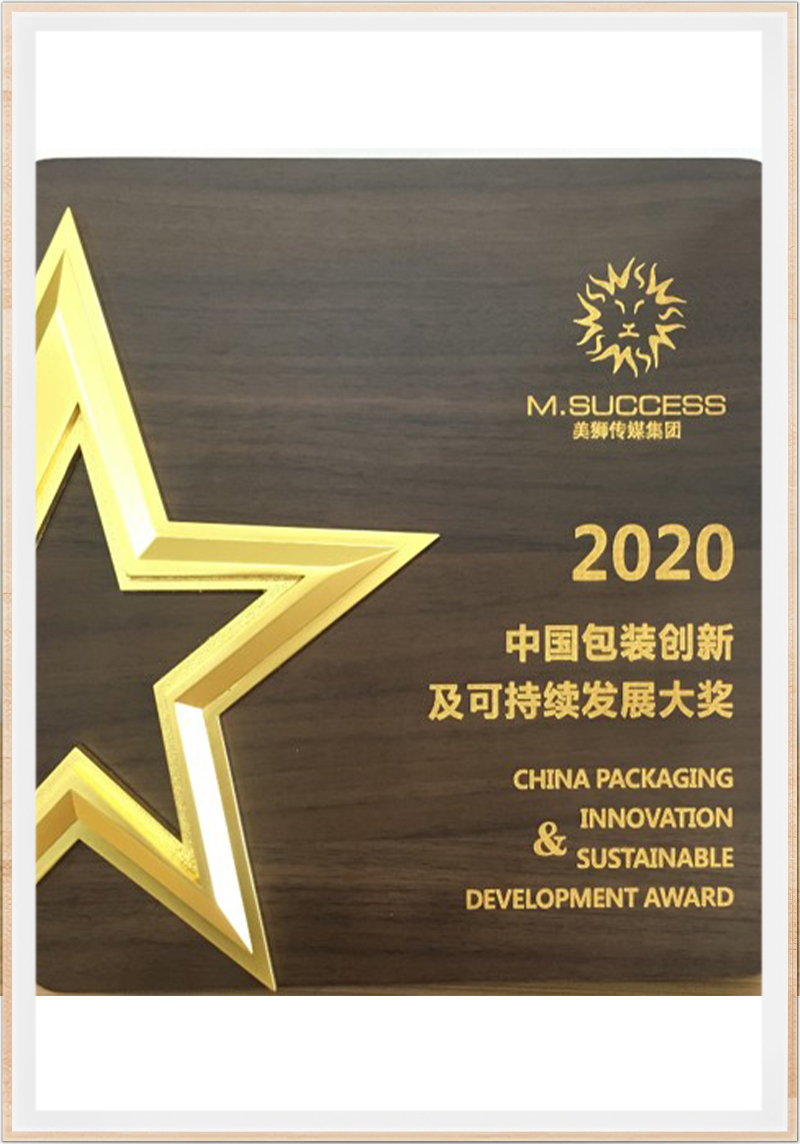
Our manufacturing and processing units integrate technologies from leading global equipment suppliers to deliver consistent quality and high output.
















Stay informed with technical briefs, research updates, and packaging guides from our engineering team.
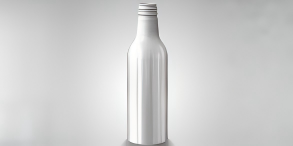
Lightweight and sturdy, aluminum is much lighter than glass, offers high strength, is non-fragile, and is convenient for transport. It shields contents from light and oxygen, protecting product integrity...
View Industry Analysis
The three-piece can, typically made from tinplated steel, chrome-plated steel, or aluminum alloy, consists of a can body, bottom, and lid. It provides robust mechanical strength and reliable sealing for food and beverages...
View Industry Analysis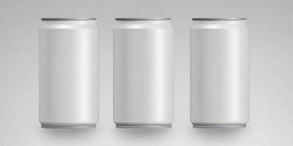
The two-piece can is composed of an integrated, seamless body and a separate lid. Widely used for carbonated beverages and beer, it is manufactured using advanced deep-drawing and stamping methods to reduce metal usage...
View Industry AnalysisTechnical answers to common questions about High-Density Polyethylene manufacturing, barrier technologies, and logistics.
Extrusion Blow Molding (EBM) is best for large runs of complex, hollow shapes, offering flexibility in size, wall thickness, and multi-layer structures. Injection Blow Molding (IBM) is suited for smaller, high-precision bottles, providing consistent neck sizes and clean finishes without flash waste.
Multi-layer bottles use intermediate barrier resins, like EVOH or Polyamide, sandwiched between HDPE layers. This construction blocks oxygen transmission and organic solvent permeation, protecting volatile chemicals and sensitive ingredients.
Yes, HDPE is highly recyclable (Code 2). Modern extrusion systems can process Post-Consumer Recycled (PCR) blends from 10% to 100%, helping brands meet environmental targets while maintaining container integrity.
Fluorination exposes the HDPE surface to fluorine gas, replacing hydrogen atoms with larger fluorine atoms. This creates a dense, protective barrier layer that reduces solvent absorption and prevents container deformation.
FDA compliance requires extraction and heavy-metal testing. For pharmaceuticals, USP <661.1> and <661.2> assess thermal properties, spectral transmission, and extractable content in cleanroom-manufactured containers.
Using CAD and rapid prototyping, preliminary test samples can be produced in 15 to 20 days. Multi-cavity production tooling typically takes 30 to 45 days, depending on container complexity and neck designs.
Explore our additional line of specialized containers, tinplate jars, and lightweight bottles for diverse storage and retail needs.
 Sunrise Cans