Direct supply options for FMCG manufacturers, mineral exporters, and beverage bottling plants across the Kinshasa, Lubumbashi, and Goma corridors.
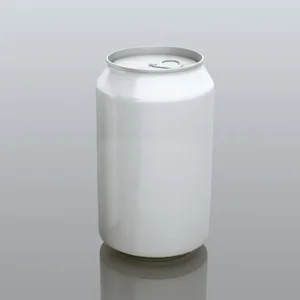
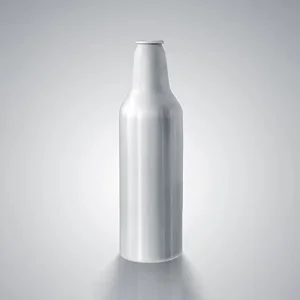
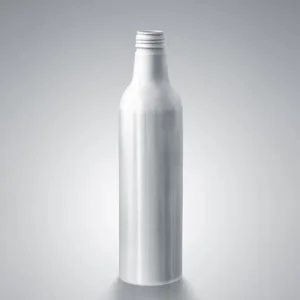

The Democratic Republic of the Congo (DRC) is undergoing a major industrial shift. Driven by rapid urbanization in cities like Kinshasa, Lubumbashi, Kolwezi, and Kisangani, consumer markets are growing fast. The food and beverage sector, agricultural processing, and the cosmetic industry are expanding rapidly, increasing the demand for reliable and sustainable packaging solutions. In the past, glass and low-grade plastics dominated these sectors. However, transport challenges across the DRC’s vast terrain have highlighted the limitations of fragile glass. Additionally, plastic pollution has prompted municipal bans, creating a strong market opportunity for alternative packaging materials.
This shift has placed aluminum containers at the center of modern packaging strategies in Central Africa. Aluminum bottles offer a practical solution to these logistical issues. They are lightweight, completely block light, extend product shelf life under high temperatures, and are infinitely recyclable. In a country with a tropical climate, high humidity, and complex transport systems, maintaining product quality from production to consumer purchase is critical.
The versatility of aluminum containers makes them highly suitable for several key sectors in the Congolese economy:
Globally, the shift toward aluminum packaging is driven by two main factors: sustainability and packaging efficiency. The metal packaging industry has moved from traditional steel-lined cans to lightweight, high-barrier aluminum structures. Advanced manufacturing processes, such as impact extrusion and cold forming, allow for complex bottle shapes with different neck finishes, including screw-caps and crown closures.
Technologically, the industry is transitioning to BPA-Non-Intent (BPA-NI) inner lacquers. These new coatings prevent liquid contents from reacting with the aluminum wall, preserving flavor and product efficacy while meeting global safety standards like the EU EFSA and US FDA. In the DRC, where imports are regulated by the Office Congolais de Contrôle (OCC), importing internationally certified, BPA-NI lined containers is essential to prevent regulatory delays and ensure food safety.
Additionally, digital printing directly on aluminum has changed how brands manage their inventory. By eliminating the need for separate labels, direct printing reduces waste and improves moisture resistance in humid climates.
For Congolese businesses, securing a reliable supply of raw materials and packaging is a primary operational challenge. Sunrise Group Co., Ltd. addresses this with a resilient supply chain. Operating 31 production bases across China and Southeast Asia, Sunrise Group maintains deep supply networks to ensure consistent production.
Shipping to the DRC typically follows two main logistics routes:
Sunrise Group supports Congolese clients with comprehensive customs documentation, product certifications, and secure export packing to prevent damage during long ocean transit and inland shipping.
Speak directly with our technical engineering team to customize sizes, closure styles, and custom branding for the DR Congo market.
Send Inquiry NowFounded in 1992 and listed on the stock exchange (Code: 002752), Sunrise Group has over 33 years of experience in metal packaging. We produce two-piece aluminum cans, three-piece tinplate cans, and custom aluminum bottles, while also offering direct beverage filling services.
Our factories feature advanced machinery from leading international suppliers, including Soudronic (Switzerland), KAMPF and Hinterkopf (Germany), Crabtree (UK), Fuji (Japan), and STOLLE and BELVAC (US). This ensures high manufacturing precision, consistent wall thickness, and reliable coating applications.
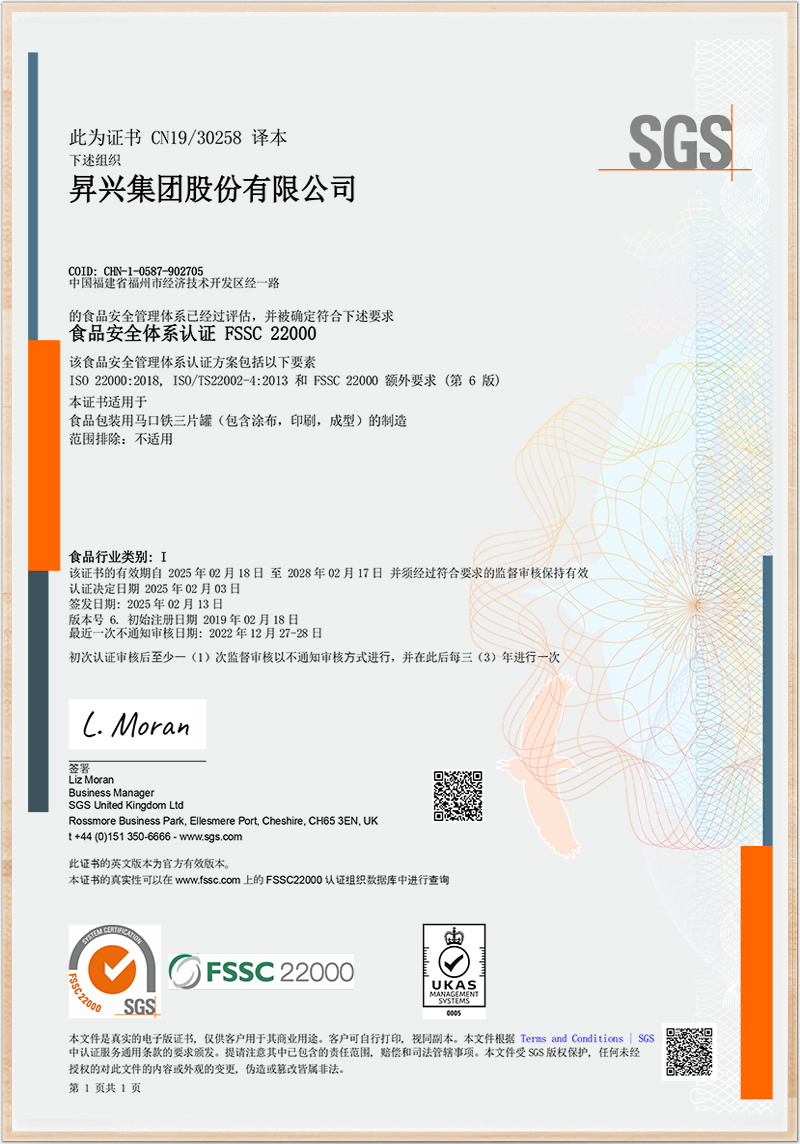
Our manufacturing processes conform to ISO9001 (Quality Management), ISO22000 and FSSC22000 (Food Safety), ISO14001 (Environmental Management), and ISO45001 (Occupational Health and Safety). These standards guarantee that Congolese clients receive packaging that meets strict international and OCC requirements.
Why FMCG brands and industrial clients trust Sunrise Group for their metal packaging needs.
We provide a complete supply chain, integrating raw materials, metal forming, coating, digital decoration, filling, and export logistics.
With 31 production bases across China and Southeast Asia, we ensure stable delivery routes to African ports, including Matadi and Dar es Salaam.
We maintain long-term partnerships with leading international brands such as Coca-Cola and Red Bull, meeting strict quality standards.
Our plants hold comprehensive certifications to satisfy food safety and environmental requirements in the DRC and global markets.
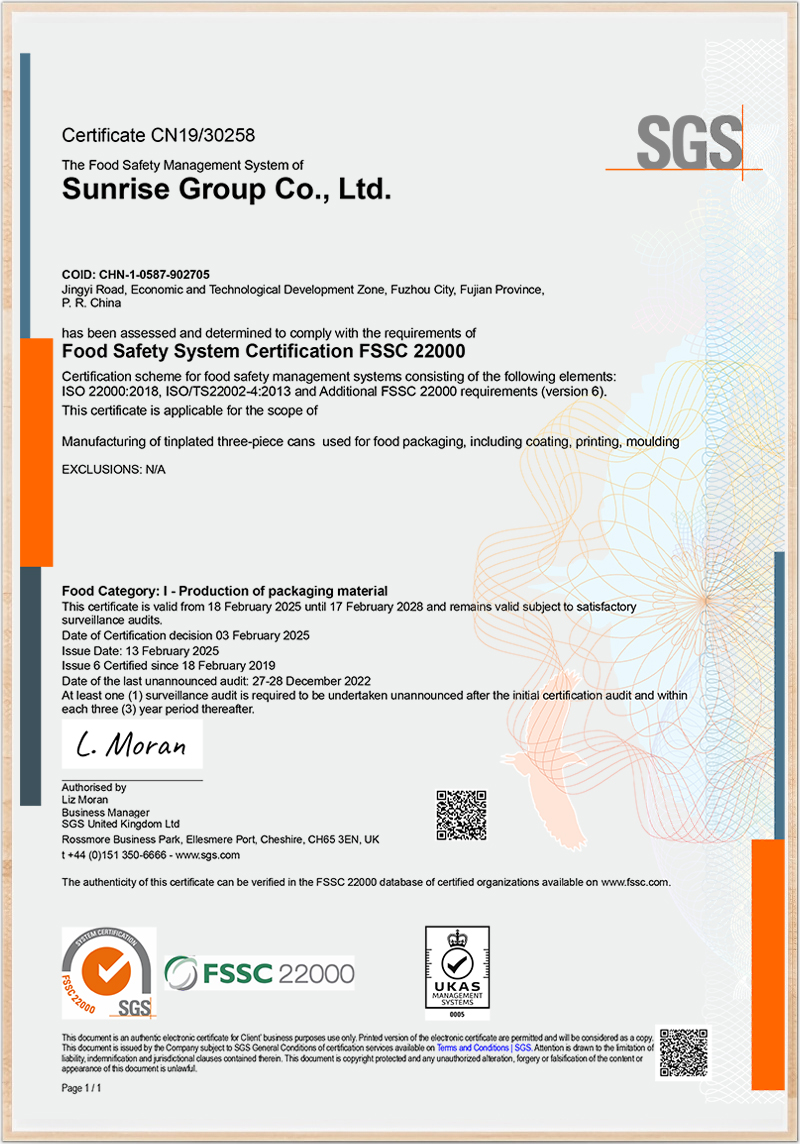
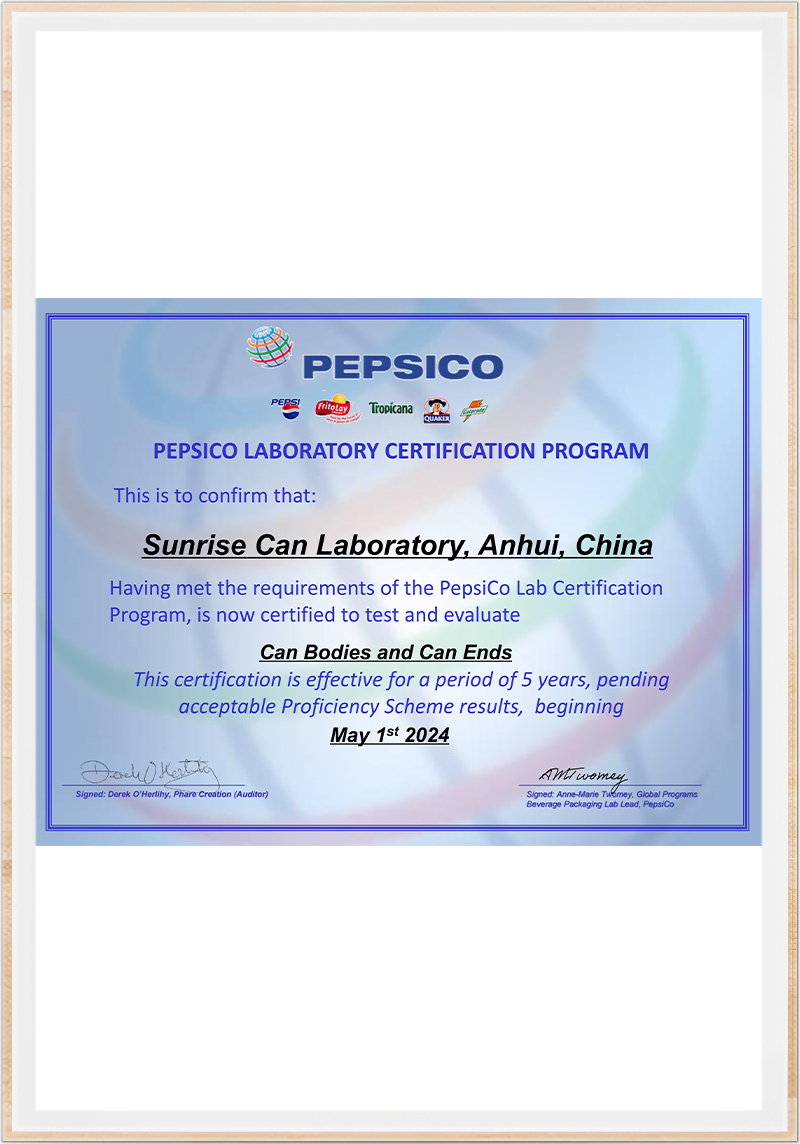
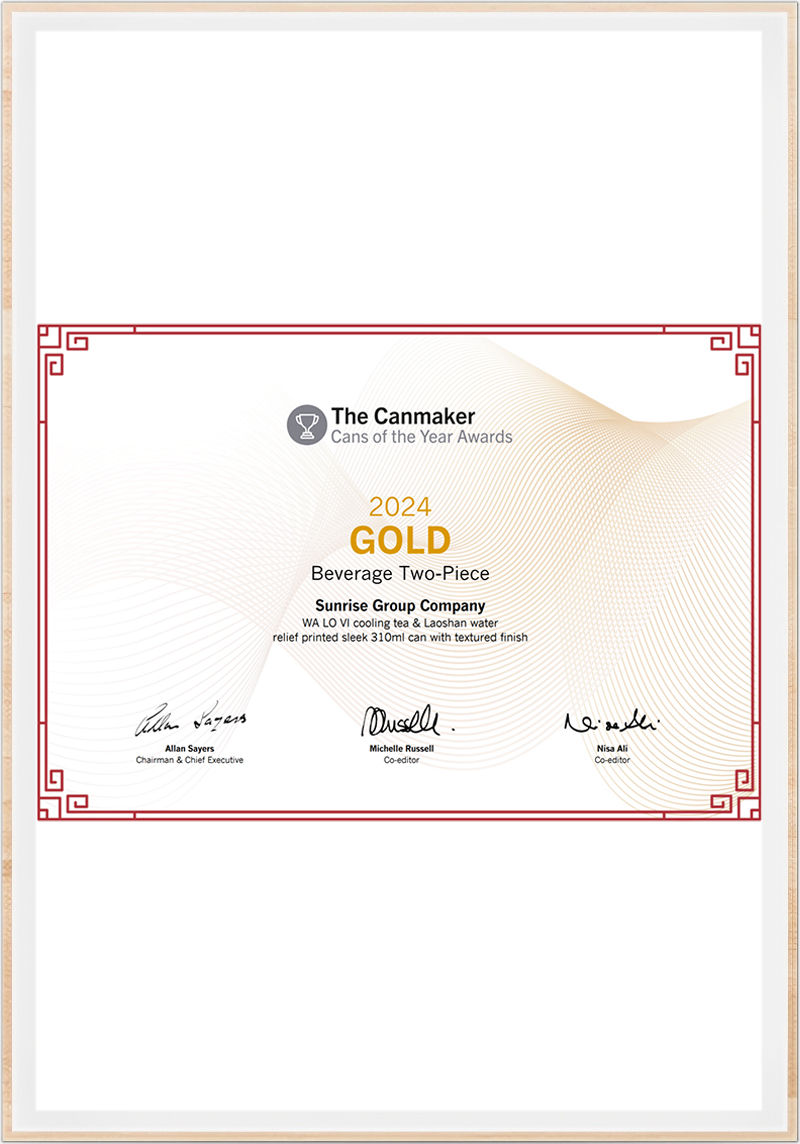
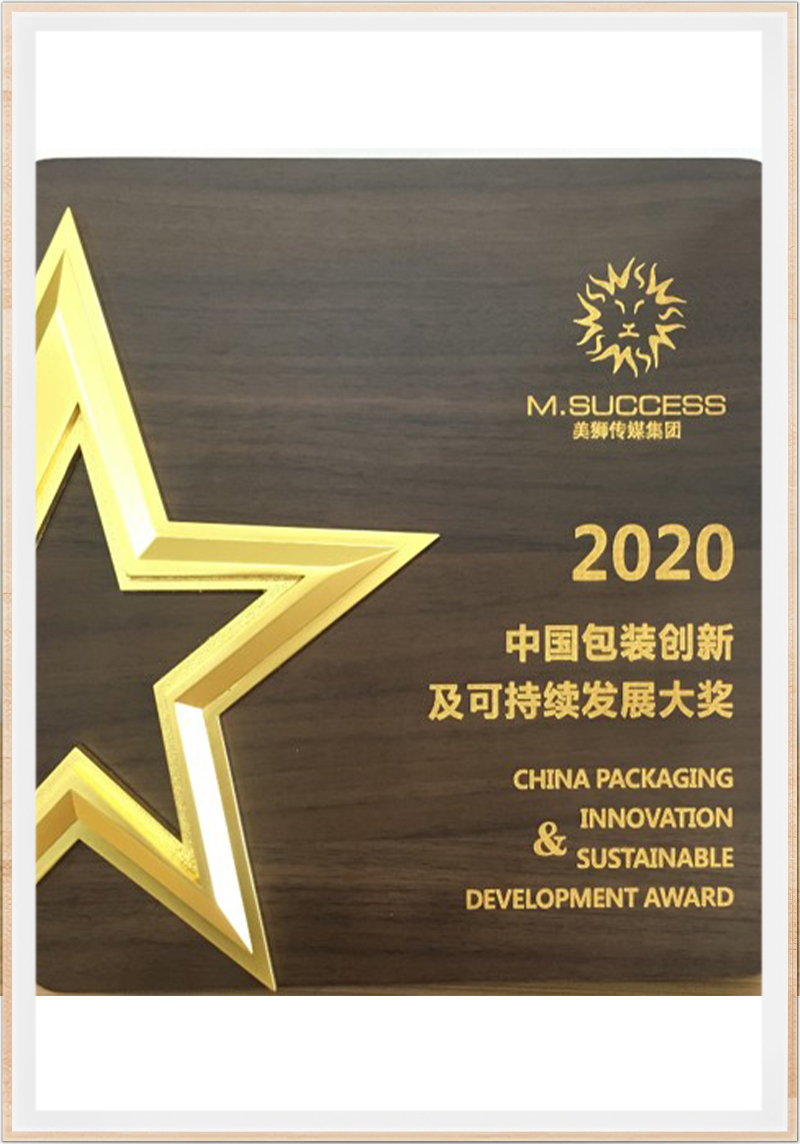
We partner with leading machinery suppliers to ensure high precision in every aluminum bottle we manufacture.





Insights on packaging technology, manufacturing developments, and industry trends.

Aluminum bottles are lightweight and durable. They are much lighter than glass, highly resistant to breakage, and convenient for transport. They also provide reliable sealing and light protection to preserve product quality...
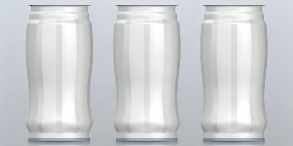
A three-piece can is a metal packaging container composed of three parts: the body, the bottom, and the lid. Usually made of tinplate or chromium-plated steel, it offers strong structural rigidity for food products...
A two-piece can is made of a lid and a seamless body formed through stamping. Widely used for carbonated drinks and beer, it is lightweight, cost-effective, and highly recyclable...
Answers to common questions about importing and using aluminum packaging in the Democratic Republic of the Congo.
Explore our full range of two-piece, three-piece, and special-shaped containers suited for the Central African market.
 Sunrise Cans